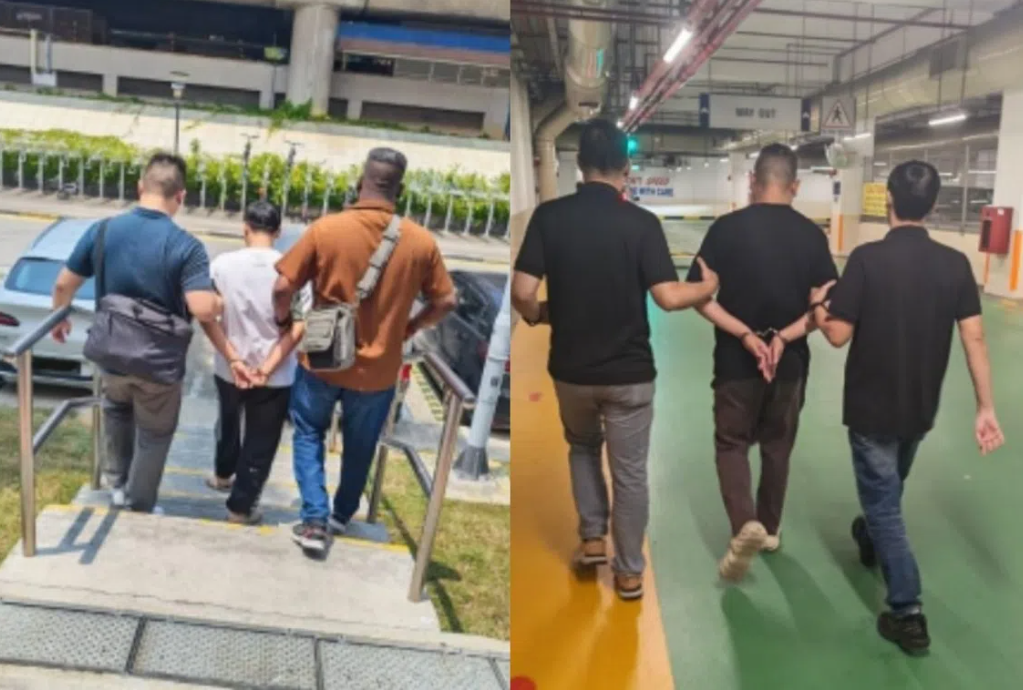
Singapore's police force has arrested two Malaysian nationals employed at mobile phone retail outlets, aged 25 and 47, on suspicion of orchestrating a sophisticated identity theft operation that weaponised compromised Singpass accounts to funnel scam proceeds through digital wallets. The arrests, made on Tuesday, August 25, represent a significant blow against what investigators believe is part of a larger cross-border syndicate operating across Singapore and Malaysia, exploiting the trust customers place in point-of-sale transactions to harvest sensitive authentication credentials.
The modus operandi reveals a calculated exploitation of customer vulnerability at the moment of vulnerability. According to police statements released on August 26, the suspects systematically obtained Singpass login credentials from their clientele under false pretences. In at least one documented case, a suspect leveraged a customer's legitimate need to update Singpass details whilst purchasing a SIM card, using this administrative process as cover to surreptitiously establish a LiquidPay e-payment account linked to the victim's identity. The audacity of the scheme lay in its simplicity: once credentials were obtained, the perpetrators could register payment accounts that would receive stolen money whilst the actual account holders remained unaware their identities had been compromised.
LiquidPay, operated by Singapore-based fintech entity Liquid Group, functions as a digital wallet and payment application designed to facilitate cashless transactions across the city-state. The platform's functionality, intended to democratise financial access, became an unwitting conduit for criminal proceeds when integrated into this fraudulent ecosystem. The choice of LiquidPay specifically suggests the perpetrators understood the regulatory environment and chosen a platform that aligned with their operational requirements, indicating a level of sophistication beyond opportunistic crime.
The scale of the alleged conspiracy extends far beyond the two arrested individuals. Investigators discovered that more than 170 Singaporeans and foreign workers had their Singpass accounts linked to similar unauthorised activity, painting a picture of systematic, coordinated exploitation. These compromised credentials enabled the creation of more than 160 additional LiquidPay accounts without the knowledge or consent of their legitimate owners, effectively turning citizen identities into money-laundering infrastructure.
The financial dimension underscores the severity of the operation's impact on victims and the broader security ecosystem. Since early March 2026, at least 20 Singapore citizens and work permit holders have fallen under police investigation specifically for registering LiquidPay accounts connected to receiving a combined $110,063 derived from various scams. Whilst this figure represents a single pool of identified victims, the broader investigation has uncovered evidence suggesting the true sum extracted through these compromised channels likely exceeds this amount substantially, as many victims may not yet have discovered the fraudulent accounts established in their names.
For Malaysian readers and regional observers, this case carries significant implications regarding cross-border organised crime and the vulnerability of shared digital infrastructure. The two arrested men's nationality points to the increasingly borderless nature of cybercrime syndicates, where geographic proximity to Malaysia and Singapore's interconnected labour markets create opportunities for recruitment and execution of sophisticated schemes. The incident also highlights how legitimate employment in service sectors can provide perfect cover for organised criminal activity, a pattern authorities across Southeast Asia have begun documenting with increasing frequency.
The investigation's operational dimension reveals Singapore's multi-agency approach to digital crime enforcement. The operation was led by the police's Cyber Command officers in partnership with the Singpass Trust & Safety team housed within the Government Technology Agency of Singapore, reflecting recognition that identity compromise and financial crime require coordinated expertise spanning law enforcement and technology governance. This integrated approach offers a model for other Southeast Asian jurisdictions grappling with similar challenges.
Legal consequences for the arrested men carry substantial weight. They face charges in court on August 27 for assisting another to retain benefits from criminal conduct, an offence permitting imprisonment for up to 10 years, a maximum financial penalty of $500,000, or both. The severity of sentencing guidelines signals Singapore's commitment to deterring exploitation of national identity systems, sending a clear message that systematic abuse of Singpass credentials represents one of the most serious categories of financial crime.
The investigation's broader scope extends beyond the two arrested individuals. Police are actively pursuing separate investigations into Singaporean Singpass users who voluntarily relinquished their account credentials to third parties, suggesting considerable numbers of citizens may have been deceived into cooperating with the scheme or knew of it but failed to report the compromise. Such users face potential charges carrying maximum penalties of three years' imprisonment and $10,000 fines, raising questions about victim protection versus culpability in cases where individuals agreed to share credentials without fully understanding the implications.
This case exposes a critical vulnerability in Singapore's digital identity ecosystem: the human element remains the weakest link in authentication chains. Singpass, designed as a secure platform for citizen authentication and access to government services, is only as secure as the vigilance of its users. The creation of 160 fraudulent accounts from harvested credentials suggests that Singpass's security infrastructure, whilst robust technologically, cannot fully compensate for human social engineering and credential compromise at the point of initial collection.
The implications for Malaysia extend beyond law enforcement cooperation, touching on labour mobility and due diligence in hiring practices across the retail sector. Mobile phone shops operate at the intersection of identity verification requirements and customer intimacy, making employees in such roles particularly valuable to criminal syndicates seeking credential harvesting opportunities. Malaysian employers across similar sectors would benefit from enhanced security protocols and staff training to prevent their workers from being recruited into such schemes, whether knowingly or through manipulation.
As the investigation continues, authorities are likely examining how the syndicate converted stolen Singpass credentials into LiquidPay accounts, whether additional platforms were exploited, and what mechanisms facilitated the movement of scam proceeds through these wallets. The cross-border dimension suggests Malaysian law enforcement may eventually partner with Singapore's authorities to identify additional members of the network and trace the ultimate beneficiaries of the $110,063 identified so far. Regional cooperation frameworks will prove essential in dismantling such syndicates comprehensively.

