There is something worth pausing to appreciate about tonight's event at Padang Bukit Gambir, beyond its immediate political significance.
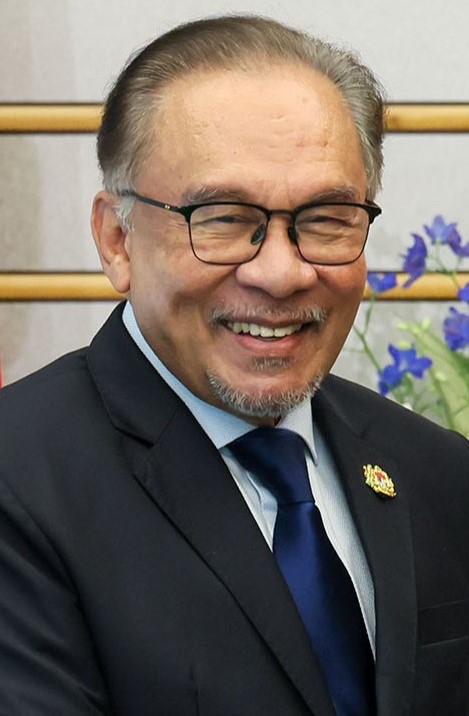
When Prime Minister Anwar Ibrahim stands before the assembled crowd at 8pm to announce Pakatan Harapan's slate for the 16th Johor State Election, what will be taking place is a fundamental act of democracy. Names will be put forward. Citizens will be given the choice of endorsing or rejecting them on July 11. And through that choice, Johor's future direction will be determined — not by decree, but by ballots cast in private booths by ordinary Malaysians.
Malaysia's democratic tradition, while tested at different moments in the country's history, has shown remarkable resilience. State elections like PRN Johor Ke-16 are precisely the mechanism through which that resilience expresses itself. A sitting prime minister still needs to earn the right to govern a state, still needs to field candidates, still needs to make the case to voters.
Anwar's post on Instagram was aspirational: he spoke of Johor deserving integrity, capability and hard work from its leadership. He called on Malaysians to attend, to participate, to take the first step toward victory together. That is the language of a political leader who understands that democratic mandates must be earned.
The choice of Padang Bukit Gambir as the venue is itself a democratic statement — holding the event in competitive territory rather than a safe stronghold, bringing the coalition's case to the people rather than expecting the people to come to the coalition.
For Merdeka Pulse readers who care about the health of Malaysia's democratic institutions, tonight's event is worth watching not just as a political spectacle but as a reminder of what is right about the system. Candidates are announced publicly. Voters will decide freely. The process matters.
What happens in Johor between tonight and July 11 will tell us much about where Malaysia's democracy stands in 2026.