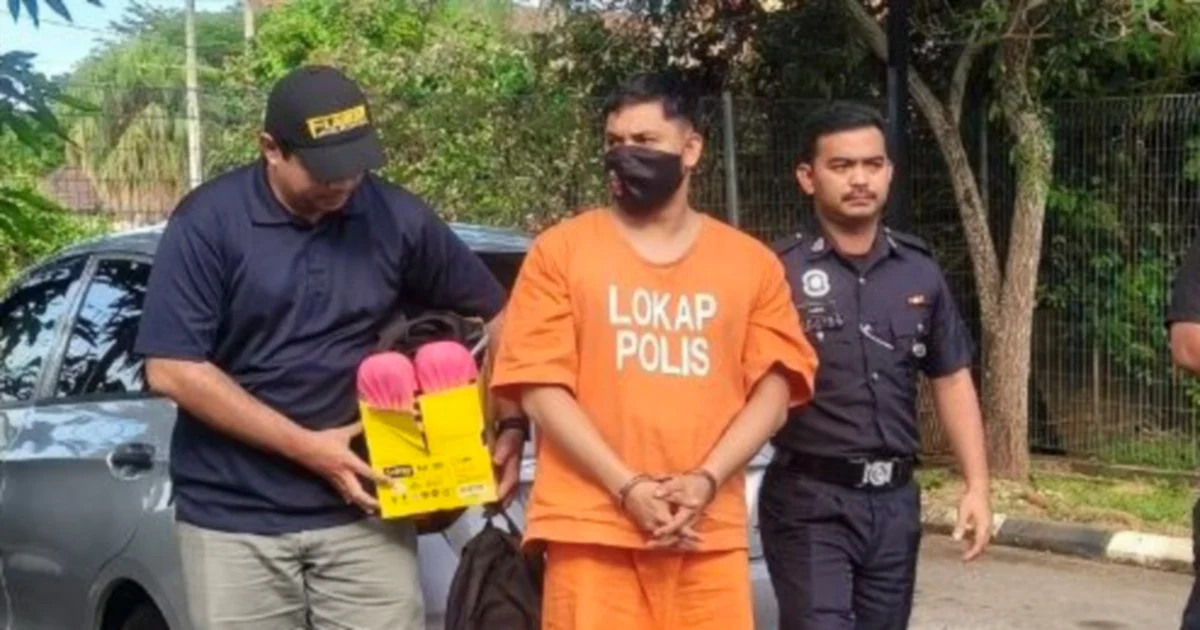
A former information technology engineer in Besut faces significant financial penalties after being convicted of fraudulently accessing subsidised cooking oil through the Budi95 scheme using another person's credentials. The magistrate's court delivered its verdict today, sentencing the defendant to pay RM18,000 in fines, with a custodial sentence of 18 months reserved should payment prove impossible.
The defendant, who specialises in IT engineering, pleaded guilty to three separate counts of illegally utilising another individual's identity card. These charges represent a calculated attempt to circumvent the controls embedded in the government's subsidy distribution system. The Budi95 programme, introduced to manage cooking oil supply and maintain price stability across Malaysia, requires verification through personal identification to prevent abuse and hoarding.
This case highlights a persistent vulnerability within Malaysia's subsidy framework, particularly affecting essential commodities like cooking oil. When subsidised goods become scarce or when market prices diverge significantly from government-controlled rates, economic incentives drive fraudulent behaviour. Individuals exploiting identification systems can accumulate supplies beyond their legitimate entitlements, either for personal stockpiling or resale at profit, thereby undermining the scheme's intended beneficiaries.
The prosecution's case demonstrated that the defendant deliberately misused identity card information on multiple occasions. By utilising credentials belonging to another person, the offender attempted to multiply his access to subsidised cooking oil, suggesting a pattern of deliberate exploitation rather than isolated opportunism. The three separate counts indicate a degree of premeditation and repeated violation of trust within the system.
Subsidy fraud cases like this one pose particular challenges for enforcement agencies across Malaysia and the broader Southeast Asian region. Unlike large-scale corruption schemes, identity-based subsidy abuse often occurs in small transactions that individually appear insignificant but collectively create substantial losses to government programmes. Enforcement requires coordination between retailers, digital payment systems, and law enforcement to identify patterns of suspicious access.
The Budi95 scheme's integrity depends partly on retailers and distributors vigilantly checking documentation during point-of-sale transactions. Yet many outlets operate under resource constraints that limit their ability to conduct rigorous verification procedures. This gap creates space for motivated individuals to exploit the system, particularly those with technical knowledge who understand how to circumvent basic identity checks or manipulate administrative records.
Convictions in subsidy-related identity fraud cases send important deterrent signals throughout the community. A professional's loss of reputation, coupled with substantial financial penalties, underscores that government programmes are protected by serious legal consequences. For skilled professionals like IT engineers, the reputational damage extends beyond immediate financial loss, as employment prospects in regulated industries become compromised following fraud convictions.
Malaysia's approach to subsidy management has evolved significantly, incorporating digital verification systems designed to minimise identity-based fraud. The Budi95 scheme represents a more sophisticated framework than earlier cooking oil distribution attempts, utilising data verification and purchase-history tracking. Nevertheless, determined individuals continue seeking loopholes, particularly during periods when supply constraints create artificial scarcity and price premiums in parallel markets.
This Besut case reflects broader patterns observed across states where subsidy fraud investigations have intensified. Enforcement authorities have recorded notable increases in identity-related offences connected to essential commodity programmes. The phenomenon particularly affects urban and semi-urban areas where informal distribution networks can rapidly absorb excess quantities, creating profitable arbitrage opportunities between subsidised and uncontrolled market rates.
The defendant's professional background raises questions about whether technical expertise facilitates subsidy fraud through more sophisticated manipulation methods. IT professionals possess knowledge of record systems and data verification procedures that ordinary citizens might lack. This insider perspective potentially enables more targeted exploitation of procedural weaknesses within retail or distribution networks.
Looking forward, this conviction underscores the necessity for continuous system refinement. Malaysian authorities are progressively implementing biometric verification and enhanced digital tracking to make identity fraud increasingly difficult to execute. However, the cat-and-mouse dynamic between fraud prevention and creative circumvention suggests that enforcement will remain an ongoing challenge requiring sustained investment and vigilance.
The 18-month default jail sentence, coupled with the substantial fine, represents the court's determination to combat subsidy programme abuse seriously. Such penalties aim to dissuade both first-time offenders and repeat exploiters from testing the enforcement system. For a trained professional accustomed to legitimate income, the prospect of both financial loss and incarceration provides meaningful motivation to comply with legal requirements when accessing government-regulated goods.

