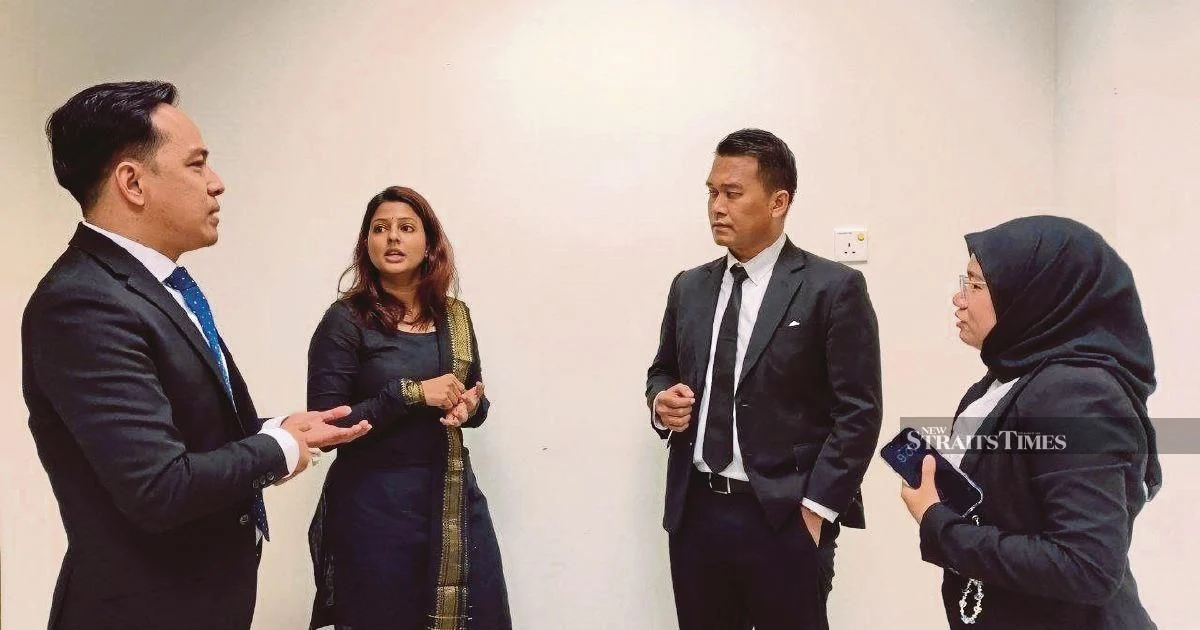
In proceedings at the Coroner's Court in Kota Kinabalu, graphological evidence was presented regarding the handwriting characteristics of the late Zara Qairina Mahathir, with an expert witness indicating that her writing displayed features consistent with the teenage years of development. The testimony focused on the inherent volatility and ongoing maturation evident in her script, suggesting her penmanship had not yet reached the stabilised patterns typical of adulthood.
Handwriting analysis, known formally as graphology, examines the physical characteristics of written text to draw conclusions about the writer's developmental stage, personality traits, and psychological state. In forensic investigations, such analysis often provides contextual understanding about individuals involved in cases, particularly when assessing the authenticity or circumstances surrounding documentary evidence. The testimony in this case appeared to establish baseline characteristics of Zara Qairina Mahathir's writing patterns during the period under examination.
The Coroner's Court in Kota Kinabalu has been conducting inquiries into matters relating to the late Zara Qairina Mahathir, with various expert witnesses being called to provide specialised evidence. Such proceedings aim to establish facts and circumstances relevant to the case being investigated, with expert testimony forming a crucial component of the judicial process. The inclusion of graphological evidence suggests the investigation considered multiple dimensions of documentary and personal evidence.
Adolescent handwriting typically exhibits fluctuations in size, slant, pressure, and letter formation as young people develop motor control and establish their individual writing style. During teenage years, penmanship often shows inconsistency because the writer's hand-eye coordination, motor skills, and emotional state continue evolving. This developmental stage is characterised by varying degrees of legibility and consistency—qualities that stabilise as individuals enter adulthood and their writing patterns become more automatic and uniform.
The volatility observed in Zara Qairina Mahathir's handwriting would therefore be consistent with normal adolescent development rather than indicative of unusual or extraordinary circumstances at the time the writing samples were produced. Such expert analysis helps courts understand the biological and developmental context in which documents were created, potentially clarifying whether variations in handwriting reflect emotional distress, physical circumstances, or simple developmental immaturity.
Courts frequently rely on expert witnesses across multiple disciplines to construct comprehensive understandings of cases. Graphological expertise, while less prominent than forensic evidence involving biological materials or digital records, can contribute valuable context when documentary evidence forms part of an investigation. The testimony presented in the Kota Kinabalu proceedings reflects the thoroughness with which Malaysian coroners examine available evidence when investigating deaths or related circumstances.
The Coroner's Court system in Malaysia serves a vital function in examining deaths that occur under unusual, unexplained, or suspicious circumstances. These proceedings are designed to establish facts, identify potential criminal conduct if present, and provide closure and clarity to families affected by such cases. The detailed nature of evidence presented—including specialised expert testimony on matters such as handwriting analysis—demonstrates the systematic approach courts take in fulfilling these responsibilities.
Cases involving young individuals naturally attract particular scrutiny and comprehensive investigation, reflecting both legal obligations and broader societal concern for the welfare of adolescents. When expert evidence is introduced in such matters, it typically addresses questions about the individual's state of mind, capacity, and circumstances at relevant times. The inclusion of handwriting analysis in the Coroner's Court proceedings suggests investigators sought to establish a complete chronological and contextual understanding of events.
For Malaysian readers and the broader Southeast Asian context, such cases underscore the importance of rigorous investigative processes and the role expert evidence plays in establishing facts. The reliance on multiple forms of specialised testimony—from forensic experts to graphologists—reflects international best practices in judicial inquiry. These standards help ensure that investigations into unexplained deaths are conducted thoroughly and impartially, ultimately serving the interests of justice and public confidence in legal institutions.
The Coroner's Court continues to examine evidence and hear testimony in this matter as part of its comprehensive investigation. The admission of graphological evidence alongside other expert contributions demonstrates the multidisciplinary approach Malaysian courts employ when examining complex cases. As proceedings continue in Kota Kinabalu, additional testimony and evidence will contribute to the complete factual record the court requires to reach its conclusions.

