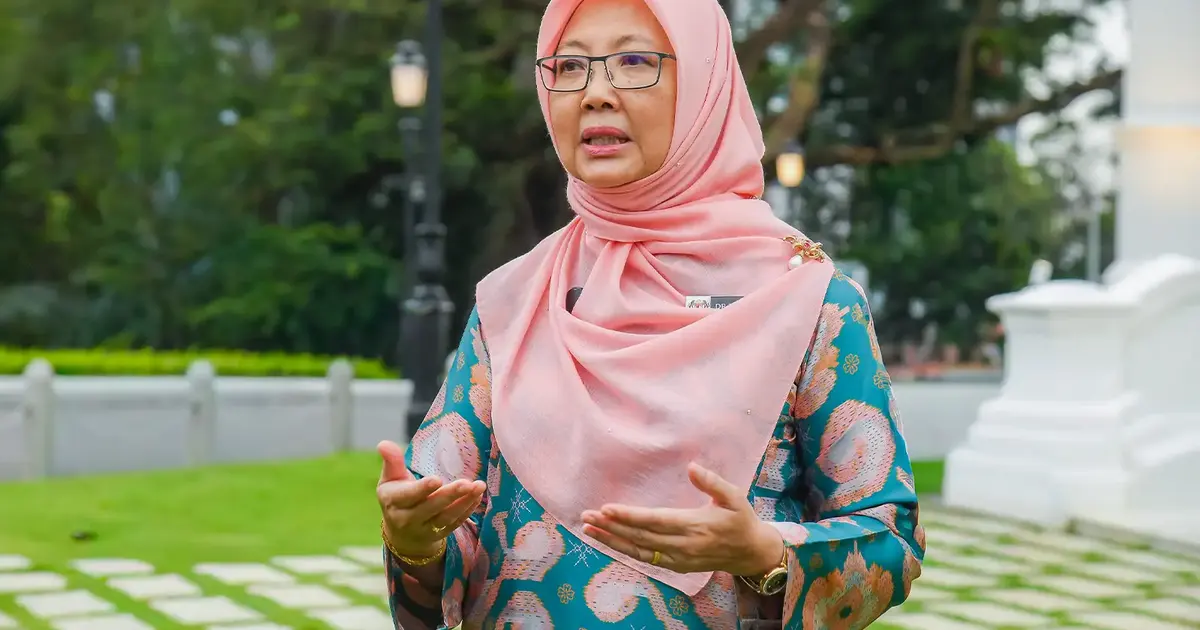
Zaliha, the PKR vice-president, has expressed bewilderment at a recent challenge from Johor's Barisan Nasional leadership demanding that the opposition coalition name a frontman for upcoming state elections. The request from Onn Hafiz Ghazi, who chairs the BN machinery in the southern state, strikes Zaliha as peculiar given that nominating a particular figure offers no assurance he would ultimately be designated menteri besar if Pakatan Harapan wins.
The contradiction at the heart of the demand illustrates a fundamental disconnect in Johor's fractious political landscape. Onn Hafiz's call appears designed to pressure the opposition coalition into early commitment while the BN retains flexibility in how it would respond to election results. For Pakatan Harapan, such a move would represent a strategic vulnerability—publicly committing to a specific leader without certainty of implementation could undermine party unity and invite ridicule should the appointed figure fail to secure the menteri besar post.
Zaliha's pushback reflects broader tensions within Malaysia's political architecture around transparency versus tactical advantage. In most democratic systems, parties do name chief ministerial candidates before elections, allowing voters clear choice. Yet in Malaysia's complex coalition politics, particularly after experiences with leadership transitions that defied electoral mandates, opposition parties have grown cautious about premature public declarations that might be weaponised against them.
The Johor context carries particular weight given the state's political history. Long a BN stronghold and the home state of several former prime ministers, Johor represents a critical battleground in Malaysia's larger political realignment. Control over state resources, patronage networks, and electoral machinery in Johor carries implications extending well beyond the state assembly. This reality makes every strategic manoeuvre—including demands for opposition candidates to name themselves—laden with significance.
Onn Hafiz's position as Johor BN chairman places him at a crucial intersection of state and federal politics. His call for a Pakatan Harapan poster boy may reflect confidence in BN's electoral prospects, or conversely, anxiety about the opposition's momentum. The framing of the demand—requiring PH to declare while offering no reciprocal commitment—suggests an attempt to seize the narrative and force the opposition into a reactive posture ahead of actual election scheduling.
For Pakatan Harapan, the dilemma is acute. Naming a candidate early could energise supporters and provide a clear campaign focus, potentially advantageous in state elections where personality politics remains influential. Conversely, doing so without guarantees opens the coalition to accusations of making empty promises, particularly if internal power dynamics shift or if coalition partners object to the designated figure. Malaysian voters have witnessed enough leadership shuffles and broken commitments to warrant scepticism about premature announcements.
Zaliha's intervention suggests Pakatan Harapan is likely to resist the demand unless circumstances change substantially. PKR, as the largest component of the opposition coalition, has stake in any such decision, and the party's vice-president serves as an influential voice in strategic deliberations. Her public questioning of the logic behind Onn Hafiz's demand effectively reframes the conversation—rather than accepting the premise that PH must respond, she challenges the reasonableness of the request itself.
The broader political theatre surrounding Johor elections reflects Malaysia's evolution toward more contested electoral terrain. Unlike past decades when BN's dominance seemed assured, contemporary Johor politics involves genuine uncertainty. Both major coalitions must calibrate campaign strategies carefully, weighing transparency against tactical positioning. Onn Hafiz's gambit—demanding PH declare its candidate without similar commitment from BN—represents one such calculation, attempting to gain advantage through forcing transparency on the opposition while maintaining flexibility for the government.
Regional implications merit attention as well. Johor's political trajectory influences Southeast Asia's broader electoral landscape. As Malaysia navigates coalition politics and democratic deepening, how parties handle questions of leadership selection and accountability sends signals to neighbouring democracies navigating similar challenges. Zaliha's principled pushback against the demand without clear reciprocity reflects emerging standards around equity in political competition.
Looking ahead, the question of who leads Pakatan Harapan into Johor elections will likely remain contested within the coalition and become a focal point of campaigning. Rather than resolving through external pressure from BN, such decisions typically emerge from internal negotiations, electoral calculations, and judgements about which figures can best mobilise coalition supporters. Until those processes conclude naturally, opposition leaders like Zaliha appear resolved to resist being stampeded into premature declarations that serve rival interests more than their own strategic advantage.

