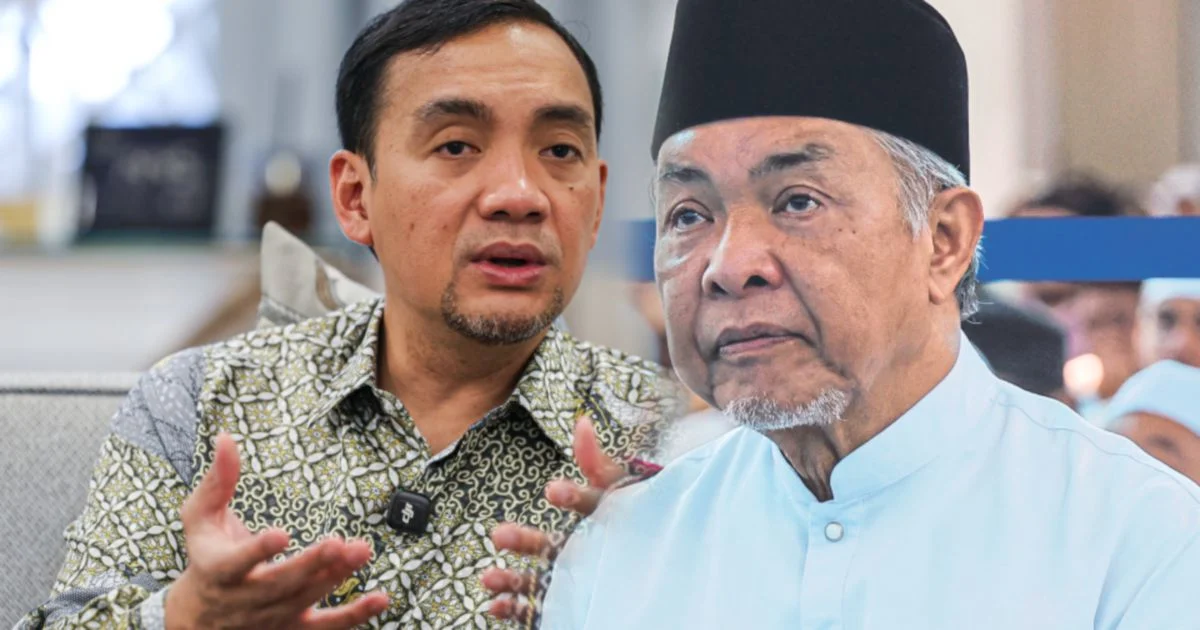
Deputy Prime Minister Zahid Hamidah has pushed back against suggestions that caretaker Johor Menteri Besar Onn Hafiz Ghazi is being restricted from entering Federal Land Development Authority settlements, clarifying that no formal directives exist to bar his movements in these areas.
The clarification from Zahid, a senior figure within UMNO's leadership structure, comes at a sensitive moment for the coalition. Questions about access and movement within Felda areas have taken on heightened political significance given the substantial electoral presence these settlements represent. Felda communities have historically been viewed as crucial voting blocs in both state and federal elections, making campaign visibility and community engagement particularly important for political candidates and officeholders.
Felda settlements, which dot the Malaysian landscape predominantly across Peninsular Malaysia, house hundreds of thousands of residents who depend on palm oil cultivation and related agricultural activities. These communities possess distinct governance structures and often maintain separate boundaries from surrounding towns and municipalities. Access to Felda areas for political campaigning or official duties has occasionally become contentious, particularly during election periods when multiple parties seek to court settler support.
Onn Hafiz's position as caretaker Menteri Besar places him in a technically constrained role regarding campaign activities. Caretaker administrations, by convention and regulatory guidance, are expected to operate in a manner that avoids partisan campaigning while continuing essential governance functions. This distinction between administrative duty and electioneering can create ambiguity about what constitutes appropriate activity during transition periods between elections.
The emerging clarification from Zahid may reflect broader tensions within Johor's political landscape. As the coalition prepares for electoral contests, ensuring that senior figures can maintain communication channels with traditional support bases becomes strategically important. Restrictions on movement, whether real or perceived, could undermine coalition efforts to maintain cohesion and demonstrate administrative continuity.
Felda leadership has its own institutional interests and relationships with various political actors. These organizations maintain management autonomy over settlement governance and can theoretically establish rules governing entry and campaigning within their territories. However, such restrictions typically target external parties rather than sitting or recently-serving state administrators, whose access for governance purposes would normally be presumed necessary.
The timing of Zahid's statement suggests awareness of potential reputational damage if restrictions were widely believed to exist. Coalition unity appears particularly valuable during pre-election periods when internal discipline and coordinated messaging become essential. Any perception of senior figures being marginalized or constrained could create narrative vulnerability that opposition parties might exploit.
Onn Hafiz represents a relatively newer generation of UMNO-aligned leadership, particularly within Johor state politics. His relationship with other coalition figures and his positioning within broader party hierarchies can influence his influence and operational freedom. The caretaker role itself, while ceremonially important, often reduces a leader's real administrative power during transition phases.
For Malaysian readers and regional observers, this situation illustrates the continuing complexity of managing access, authority, and campaigning protocols during election cycles. The distinction between administrative legitimacy and electoral positioning remains contentious across many Southeast Asian democracies. Malaysia's particular federal structure, with state-level administrations maintaining significant autonomy, adds additional layers to such disputes.
The issue also underscores how traditional power bases remain influential in Malaysian politics despite modernization and urbanization. Rural and semi-rural communities like Felda settlements continue exerting disproportionate electoral significance, making access and visibility within these areas strategically vital for politicians seeking elected office. This reality shapes campaign strategies and resource allocation across electoral cycles.
Zahid's intervention likely aims to establish clear parameters about what restrictions, if any, legitimately apply to caretaker administrators. By explicitly denying that formal bars exist, he attempts to reassure coalition members and Felda residents that normal political and administrative processes continue operating. This messaging approach seeks to prevent stories about restricted access from gaining traction as symbols of deeper coalition dysfunction.
The resolution of such access questions typically emerges from negotiation between administrative authorities, settlement management, and political actors rather than from top-down pronouncements. Zahid's statement may influence these ongoing conversations by signaling that senior coalition leadership will not tolerate restrictions on caretaker administrators' movements, thereby establishing expectations for how Felda institutional actors should conduct themselves.

