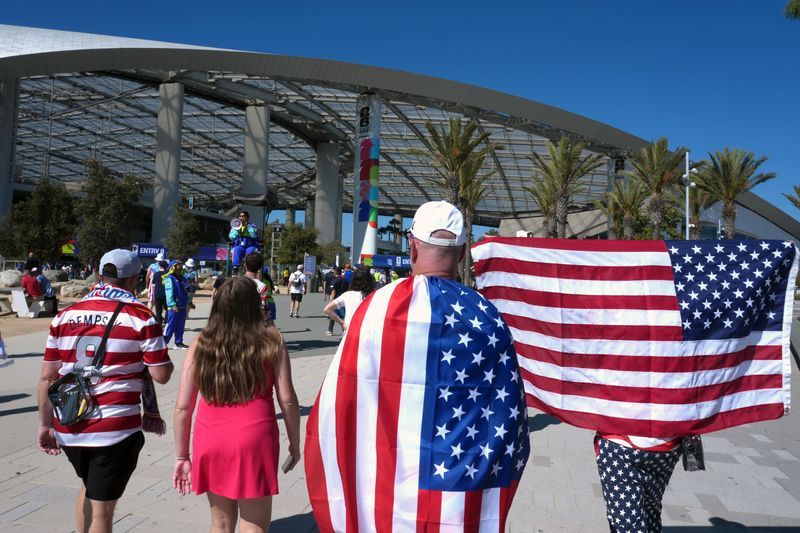
Families heading to North American World Cup matches this month encountered a nightmare scenario: cancellation emails arriving mere hours before kickoff, leaving them stranded hundreds of miles from home with worthless digital confirmations. Among them were Jeremy and Sarah Wright from Austin, who had purchased two tickets to watch the Netherlands face Japan on June 14 through the resale platform StubHub as a Christmas gift months earlier. After driving to Dallas and settling into their hotel, they received the devastating news that their tickets could not be delivered, transforming months of anticipation into bitter disappointment. The Wrights were far from alone; dozens of angry purchasers flooded social media throughout the month with similar stories of last-minute cancellations that left them without the replacement tickets StubHub had allegedly guaranteed.
The immediate cause of these cancellations stems from what ticketing experts call speculative ticketing—a practice where sellers list tickets they do not yet own, gambling they can purchase them cheaper before delivery. Ticketing consultant Scott Friedman, who previously worked with the Cleveland Cavaliers, explains the mechanics plainly: a seller might list a ticket priced at $500 months in advance, hoping to acquire it for less and pocket the difference. This strategy typically works for most sporting events where secondary market prices decline as competition intensifies. However, the 2026 World Cup defied this pattern. Ticket prices on resale platforms only climbed higher as the tournament approached, trapping speculators who listed tickets early at lower prices and now faced losses if they attempted to fulfill orders. Unable to meet their obligations without hemorrhaging money, these sellers simply abandoned their listings, leaving legitimate buyers holding cancelled orders.
StubHub, which operates purely as a resale marketplace and holds no official partnership with FIFA, blamed the ticketing infrastructure established by soccer's world governing body. The platform does not directly control inventory or pricing; sellers do. When orders fail to materialise, responsibility theoretically rests with individual sellers unable to deliver. However, StubHub's own policies contributed to the problem. Although the company officially prohibits speculative ticketing, enforcement remains virtually impossible because sellers need not provide seat numbers when initially listing inventory. This loophole permits what industry observers call ghost tickets—listings for seats that exist only in theory until an actual ticket must be produced. Jeremy Wright's September order exemplified this murky practice; his receipt specified only "Category 3" seating without identifying which specific seats he would receive, a detail that should have raised immediate red flags about the legitimacy of the listing.
FIFA's position on the crisis adds another layer of complexity to the situation. The world governing body insists its ticketing infrastructure operates reliably and explicitly cautioned fans against using third-party resale platforms. FIFA's official resale marketplace remains the sole channel through which the organisation can guarantee proper ticket delivery. However, this official platform carries significant drawbacks that many fans find prohibitive. FIFA charges a 30 percent commission on all resale transactions, making tickets substantially more expensive than those available through independent resellers. Additionally, users have complained that FIFA's platform is convoluted and unintuitive, frustrating consumers accustomed to streamlined American ticket resale websites. These design and pricing obstacles pushed many fans toward alternatives like StubHub, despite FIFA's warnings, effectively forcing them into an increasingly risky marketplace.
The human toll of this ticketing breakdown extended beyond financial loss. Dacy Gillespie, a writer and stylist from St Louis, purchased four tickets to Argentina's June 16 match against Algeria as a Christmas surprise for her two young sons. She drove approximately 250 miles to Kansas City only to receive a cancellation notice on matchday itself. The family was forced to scramble for last-minute alternatives, incurring additional expenses and emotional distress. Similar stories proliferated across social media, with families describing wasted vacation days, cancelled hotel reservations, and disappointed children. The damage transcended individual transactions; it reflected systemic failures in how mega-event ticketing operates in the modern resale economy.
Public pressure ultimately forced StubHub to acknowledge the scale of the problem. The Wrights and Gillespie each garnered significant social media attention for their experiences, and StubHub responded with compensation offers. The couple received complimentary seats to a semi-final match, while Gillespie was offered $3,000 to offset her replacement ticket purchases. However, as Sarah Wright observed, receiving these remedies after their complaints went viral created uncomfortable inequality among affected customers. Hundreds of others facing identical circumstances received no such offers, generating frustration about whether complaints needed to achieve viral status to warrant company assistance. This selective compensation approach exposed cracks in StubHub's customer service infrastructure and raised questions about corporate accountability.
In response to mounting criticism, StubHub established a dedicated World Cup support team and increased its capacity to source replacement tickets for affected customers. The company stated that getting fans to matches remained its top priority for the tournament's duration. Yet industry observers questioned whether these measures represent genuine structural improvement or mere damage control aimed at preserving brand reputation. For a platform built on trust and reliability, the cascade of high-profile failures risks lasting reputational harm, particularly among North American consumers accustomed to seamless ticketing experiences. The World Cup context amplifies this risk; as a once-in-a-generation event, disappointed fans will carry memories of this debacle for years.
The broader ticketing ecosystem for major sporting events has become increasingly fragmented and opaque, creating vulnerability for unwary consumers. Third-party resale platforms operate in a regulatory grey zone, often inadequately scrutinised and prone to practices that would be unacceptable in primary ticket markets. FIFA's decision to embrace dynamic pricing for the first time in World Cup history, while not directly responsible for StubHub's failures, added to overall friction surrounding ticket access. When primary market pricing becomes complex and resale market safeguards prove insufficient, ordinary fans—particularly families—bear the costs of systemic dysfunction. The 2026 World Cup experience demonstrates that major sports organisations and ticketing platforms have not yet solved fundamental problems of transparency, accountability, and consumer protection that should accompany billion-dollar merchandise like event tickets.
Regulatory bodies are beginning to address these deficiencies. The United Kingdom's markets watchdog recently ordered StubHub UK to refund over 50,000 customers and imposed a £900,000 fine for failing to display total prices upfront. This enforcement action signals that consumer protection authorities increasingly view ticketing platforms as subject to legitimate regulatory oversight. North American jurisdictions may follow suit, particularly if the World Cup cancellations catalyse formal investigations. For Malaysian and Southeast Asian readers, these developments carry relevance as regional consumers increasingly purchase international event tickets through similar platforms. The vulnerabilities exposed by the World Cup crisis—speculative ticketing, incomplete information disclosure, inadequate seller verification—affect global ticket markets and could impact access to major events occurring across the region.
Looking forward, the ticketing industry faces pressure to implement structural reforms. Primary recommendations from experts include mandatory seat number disclosure at listing, seller verification requirements that function like Know Your Customer procedures in financial services, and transparent pricing displays that include all fees. Additionally, governing bodies like FIFA should consider whether their official resale platforms adequately serve consumer needs or whether pricing and usability barriers inadvertently push fans toward riskier alternatives. The World Cup cancellation crisis represents not merely a customer service failure but an indictment of an entire ecosystem that has failed to evolve sufficiently to protect consumers in high-stakes, high-volume transactions. Until these fundamental issues receive attention, fans will continue facing the possibility that months of planning and significant financial investment can evaporate hours before a once-in-a-lifetime experience.

