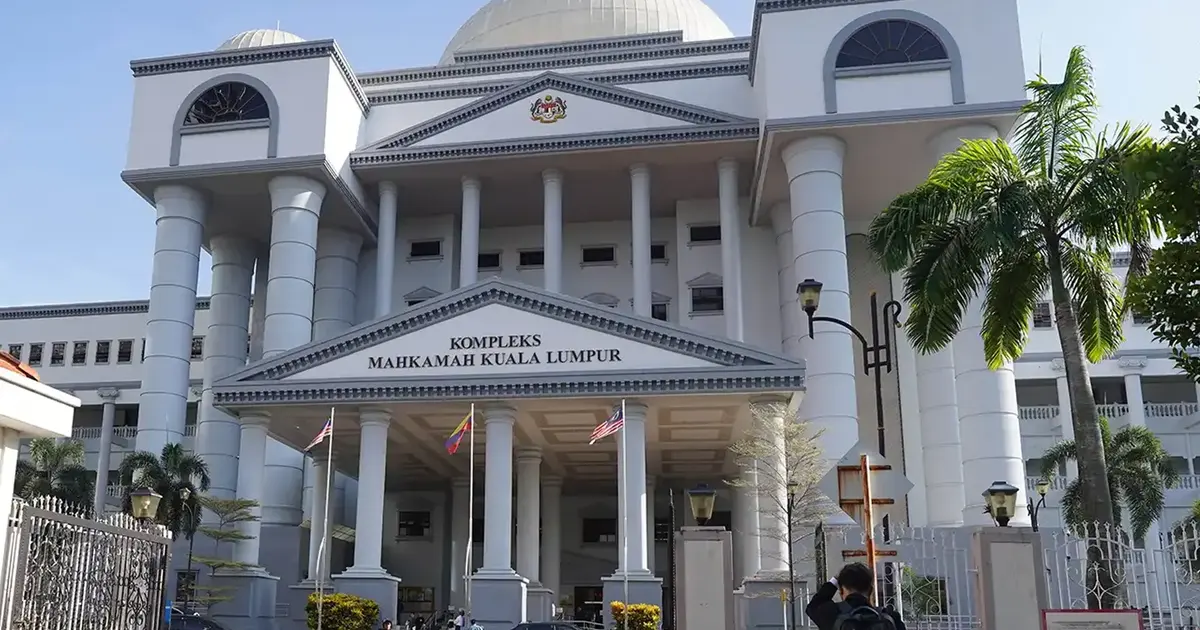
A Malaysian woman in her late fifties is mounting a legal challenge against the National Registration Department (JPN) after the agency requested she update her identity card to reflect a religious status change she made more than three decades ago. The case highlights the complex intersection of religious law, civil administration, and individual rights in Malaysia's dual legal system, where federal and state authorities often grapple with questions of personal religious affiliation.
The applicant, aged 58 and a mother of three children, initiated her departure from Islam in 1991—a significant personal decision made when she was in her mid-twenties. Despite this religious transformation occurring three decades prior, the JPN only recently raised the matter with her, requesting formal documentation and updates to her official records. This timing discrepancy raises questions about how systematically the department enforces such requirements and whether selective enforcement might occur in similar cases.
Crucially, the woman notes that the JPN had previously issued her identity cards without including any notation about her change in religious status, despite the department presumably being aware of or capable of discovering this information through their records systems. This point becomes central to her legal argument, as it suggests potential inconsistency in how the department applies its own administrative procedures across different time periods and possibly across different individuals.
The situation underscores a fundamental tension within Malaysia's constitutional and administrative framework. While Article 11 of the Federal Constitution guarantees freedom of conscience, belief, worship, and propagation of religion, implementation of this right remains contested, particularly when state governments and federal agencies interpret religious conversion requirements differently. The JPN's sudden enforcement action after decades of inaction raises fairness questions about retroactive administrative actions affecting citizens' documented status.
For Malaysian citizens, especially those in minority religious communities or those who have undergone religious transitions, the case carries significant practical implications. Identity card status affects access to government services, employment opportunities, housing schemes, and various welfare programs. An IC that does not accurately reflect an individual's actual religious position—whether through outdated information or administrative obstruction—can create cascading complications in daily life. The woman's challenge therefore resonates beyond her personal circumstances, touching on broader issues of documentary accuracy and administrative integrity.
The legal principle at stake involves administrative law doctrine concerning legitimate expectations and reasonable reliance. If a citizen has legitimately relied on the government's previous issuance of documents without requiring a change in religious designation, can that department later demand retroactive changes? Courts in Malaysia have previously grappled with similar questions about whether administrative agencies must be consistent in applying their own rules, or whether they retain unlimited discretion to suddenly enforce previously unenforced requirements.
This matter also reflects evolving attitudes toward religious pluralism within Malaysia. While some quarters remain reluctant to facilitate religious conversions out of Islam, others argue that administrative obstacles should not compound what they view as a fundamental right. The woman's case has attracted attention from civil society organisations concerned with religious freedom and human rights, viewing it as emblematic of broader governance challenges in how Malaysia manages religious diversity.
Regional context matters here as well. Several Southeast Asian nations with Muslim-majority populations have grappled with similar questions about religious change, identity documentation, and state authority. Malaysia's approach to this issue potentially influences how neighbouring countries handle comparable situations, making the judicial outcome potentially significant beyond Malaysia's borders. The decision could either reinforce administrative flexibility around religious status or establish precedent for stricter enforcement procedures.
The woman's legal strategy appears to centre on administrative law grounds rather than purely constitutional challenges to religious freedom. By questioning whether the JPN's sudden demand after three decades constitutes a procedurally fair and consistent administrative action, she targets the department's implementation practices rather than challenging religious law itself. This approach may prove strategically advantageous, as administrative law principles command broader judicial consensus than some religious freedom questions in Malaysia's courts.
JPN officials would presumably argue that accurate record-keeping and administrative completeness justify updating the woman's IC, contending that her religious status should be properly reflected in official documentation regardless of how much time has elapsed. They might further argue that previous administrative inaction does not constitute permission to maintain inaccurate records indefinitely. Such reasoning reflects a bureaucratic logic focused on systemic integrity rather than individual fairness.
However, the woman's position contains considerable force: if a government agency has the capability to enforce a requirement but chooses not to do so for thirty-three years, citizens arguably develop reasonable expectations that the matter is either settled or the requirement is not being actively pursued. Suddenly reversing course creates practical disruption and appears to violate basic principles of fairness in administrative action.
The outcome of this case will likely influence how other Malaysian citizens in similar circumstances approach their own IC status and whether they preemptively challenge JPN requests or comply under protest. It may also prompt the JPN to clarify its policies regarding religious status updates, specifying under what circumstances the department will require changes and what procedures citizens can expect.
Beyond the immediate parties involved, the case serves as a barometer for how Malaysian courts balance individual rights, administrative efficiency, and religious considerations. Whether the judiciary prioritises procedural fairness and legitimate expectations or defers to governmental record-keeping authority will signal important lessons for Malaysia's ongoing navigation of religious pluralism within a constitutionally framed legal system.