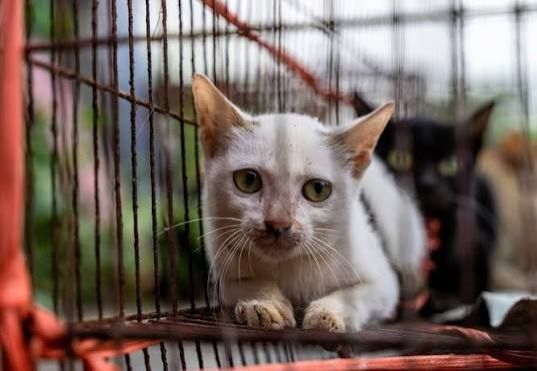
Police in Ho Chi Minh City have dismantled an organised crime ring specialising in cat theft, leading to the recovery of over 400 live felines and the reunion of dozens of stolen pets with their families. The operation, which culminated in arrests last week, represents a significant crackdown on a three-year pattern of animal abductions that had plagued the Vietnamese capital and surrounding regions. Nine individuals connected to what authorities described as a "criminal group specialising in stealing and collecting cats" now face prosecution, according to the Ho Chi Minh City police's official newspaper.
The scale of the illegal operation became apparent only after officers raided multiple facilities connected to the suspects. Investigators recovered more than 400 live cats being held in detention, alongside 80 carcasses that had been preserved on ice for commercial purposes. An additional 21 cats were seized from a separate location, bringing the total number of animals involved in the investigation to over 500. The sheer volume of seized animals underscores the systematic nature of the theft enterprise and the significant criminal resources devoted to sourcing animals for the food trade.
At least 40 of the recovered cats have already been successfully returned to their rightful owners, according to Humane World for Animals, an international animal welfare organisation that has been monitoring developments. The group released a statement praising the decisive police action and acknowledging the critical importance of the rescue operation in saving animal lives. Yet the triumph of recovering the stolen pets is tempered by a sobering reality: approximately 100 of the rescued cats did not survive the ordeal, having succumbed to injuries, malnutrition, illness, or stress incurred during their captivity and at the facilities where they were held.
The investigation commenced when Ho Chi Minh City police responded to mounting complaints of pet thefts affecting residents across the city. The perpetrators operated a well-organised system of luring and trapping cats throughout southern Vietnam, exploiting the animals' vulnerability to capture and confinement. According to police accounts, the suspects had been engaged in this criminal activity continuously over a three-year period, suggesting a large-scale, profitable enterprise rather than isolated incidents of animal cruelty. The longevity of the operation raises questions about how such an extensive theft network could function without earlier detection.
While the consumption of dog and cat meat remains a legal practice in Vietnam, the country does maintain certain regulatory frameworks governing the trade. Restaurants and vendors are permitted to openly advertise and sell feline and canine flesh, reflecting the cultural acceptance of these practices in segments of Vietnamese society. However, Vietnamese law requires that meat sellers obtain proper certificates documenting the legitimate origin of the animals being sold. This regulatory requirement exists to prevent the exact type of illicit trade that the police operation uncovered, suggesting that the arrested individuals were likely operating without the required documentation and violating the nation's commerce laws.
The legal status of dog and cat consumption in Vietnam distinguishes the country's approach from many Western and Southeast Asian nations where such practices are prohibited or heavily stigmatised. This cultural and legal context is crucial for understanding both the market that enabled the theft ring to operate and the public health implications of unregulated meat sourcing. The absence of proper origin certificates not only facilitates criminal activity but also creates food safety risks, as animals stolen from urban environments may carry pathogens or have been exposed to harmful substances.
Animal welfare advocates have highlighted the ongoing challenges facing the rescued cats still held at police facilities. Karanvir Kukreja, a representative of Humane World for Animals, expressed concern about the welfare conditions of approximately 100 cats remaining in police custody as evidence during the prosecution phase. The animals face an indefinite detention period, potentially lasting months as legal proceedings advance. To mitigate the suffering of the detained cats, the animal welfare organisation has donated food supplies and is arranging for the installation of cooling fans to prevent heat stress during Vietnam's hot season, demonstrating the practical support required to maintain basic standards of care for seized animals in criminal cases.
The coordination between law enforcement and animal welfare groups exemplifies a growing recognition within Vietnam that animal protection can be integrated with criminal investigation and prosecution. The assistance provided by Humane World for Animals extends beyond emotional appeals to include tangible material support addressing immediate survival needs. This collaborative approach reflects international standards for handling seized animals in criminal cases and acknowledges that police resources are often inadequate for providing specialised animal care during extended legal processes.
For Malaysian readers and Southeast Asian observers, this case illustrates the transnational dimensions of animal trafficking and the varying legal frameworks governing animal protection across the region. Malaysia has stricter regulations against dog and cat meat consumption, making such large-scale theft operations less viable commercially, though animal cruelty remains a concern. The Vietnamese case demonstrates how cultural practices, inadequate enforcement of existing regulations, and the profitability of illicit animal trade can intersect to create organised criminal enterprises. Furthermore, the successful police operation and subsequent animal rescue underscore the importance of strong regulatory frameworks, adequate enforcement resources, and cooperation between government authorities and civil society organisations dedicated to animal welfare.