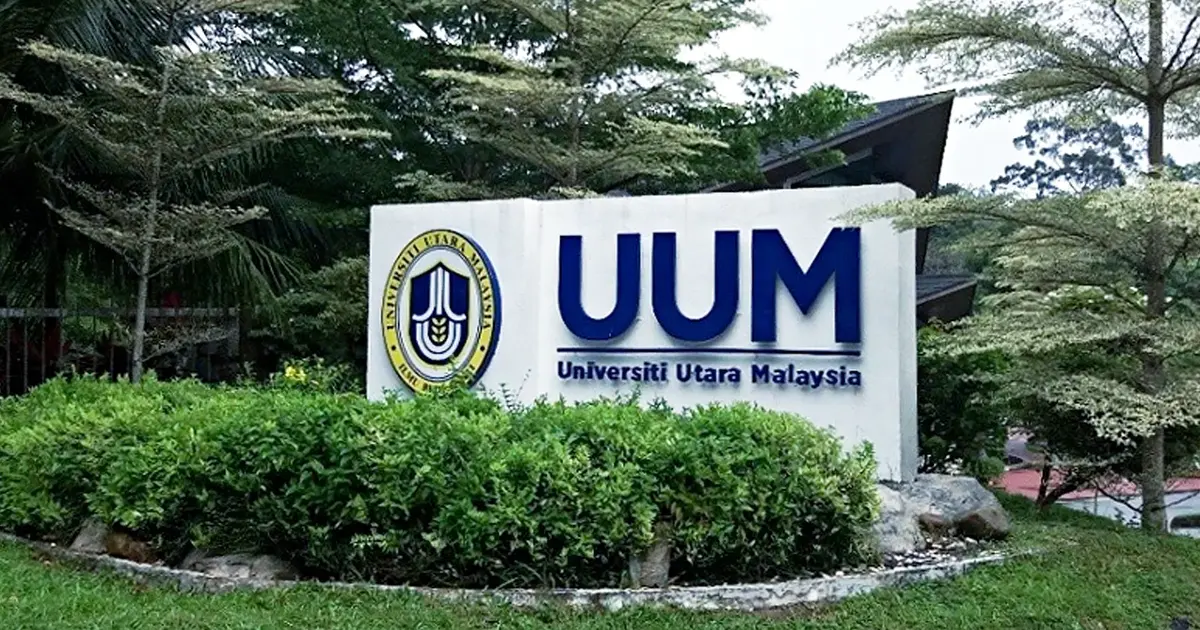
Universiti Utara Malaysia has achieved a significant legal victory, winning RM2.47 million in damages from a commercial dispute centred on the renovation and operational management of a mall property. The High Court's decision represents a validation of the university's contractual position in a complex real estate arrangement that had spawned competing claims and protracted legal proceedings. Beyond the immediate financial outcome, the judgment clarifies important principles about institutional property rights and the enforceability of management agreements in Malaysia's commercial landscape.
The core of the dispute concerned differing interpretations of contractual obligations surrounding the property's upkeep and administration. UUM had taken the position that it was entitled to assume control of the facility, citing specific clauses within the underlying agreement that permitted such action under defined circumstances. The opposing party, represented by a company defending its commercial interests, contested this assertion and filed a substantial counterclaim seeking RM7.7 million in compensation for what it argued were losses flowing from the university's interventions.
The High Court's rejection of the counterclaim carries particular significance for institutions managing real estate portfolios across Malaysia. By affirming that UUM's takeover of the property fell squarely within its contractual entitlements, the bench has reinforced a principle that contractual language granting discretionary management powers must be honoured according to its plain meaning. This interpretation matters because universities, government-linked companies, and institutional investors frequently navigate similar agreements where latent disagreements about operational control can escalate into litigation. The judgment suggests that courts will not lightly override explicit contractual provisions merely because one party finds the outcome economically disadvantageous.
The RM2.47 million award compensates UUM for identifiable losses incurred during the period when disputes impeded proper management and renovation efforts. These damages likely encompass costs associated with necessary upgrading work, operational inefficiencies caused by divided responsibility, and perhaps lost revenue opportunities that might have materialised under unified administration. Quantifying such losses typically requires detailed forensic accounting and expert testimony about what the property should have generated under optimal conditions—a process that would have featured prominently in the trial evidence.
For UUM, the victory resolves uncertainty that had clouded the property's status and future development prospects. Universities in Malaysia increasingly depend on revenue from ancillary commercial operations to supplement government funding, particularly as federal allocations face constraints. A protracted dispute over a flagship commercial asset therefore has implications extending beyond that single property to institutional financial planning and investor confidence in the institution's management capability. The conclusive ruling now permits UUM to proceed with comprehensive redevelopment or operational strategies without the encumbrance of ongoing litigation.
The case also illuminates broader challenges within Malaysia's commercial ecosystem where contractual disputes sometimes arise from genuine misunderstandings rather than bad faith. The defendant company's decision to pursue a counterclaim, while ultimately unsuccessful, reflects a negotiating posture common in property disputes—attempting to recoup losses through litigation when bilateral settlement proves impossible. The court's decisive rejection suggests the defendant's legal theory lacked sufficient foundation, though without access to full judgment details, the precise reasoning behind the counterclaim's failure remains unclear to external observers.
From a precedent perspective, the ruling reinforces judicial reluctance to second-guess institutional decision-making when contractual authority exists. This orientation carries implications for how Malaysian courts treat disputes involving universities, statutory bodies, and government-linked companies exercising management prerogatives over assets. Future litigants contemplating similar challenges may recalibrate their risk assessments knowing that courts will enforce contractual language giving organisations discretionary powers, particularly where the organisation demonstrates good faith compliance with procedural requirements embedded in the agreement.
The financial magnitude of the award—RM2.47 million—while meaningful for dispute resolution purposes, probably represents a fraction of the total costs and opportunity losses both parties absorbed throughout litigation. Such disparity between total controversy costs and ultimate recovery is typical in lengthy commercial disputes, underscoring the importance of early settlement negotiations and alternative dispute resolution mechanisms. For the business community, the judgment serves as a reminder that aggressive litigation strategies, however emotionally satisfying to aggrieved parties, frequently consume resources exceeding the eventual recoverable amount.
UUM's success in this matter may influence future institutional decisions about property management arrangements. Institutions examining existing contracts with third-party operators or franchisees may now scrutinise more carefully the precise allocation of control and the triggers permitting management reassumption. Similarly, external parties considering arrangements with universities and institutional investors may demand clearer delineation of circumstances limiting their operational autonomy. The judgment thus generates practical ripple effects across Malaysia's institutional real estate sector.
Looking forward, the resolution opens opportunities for UUM to implement comprehensive strategies for the property. Whether through direct operational control, engagement of professional management companies, or commercial leasing arrangements, the university now possesses unencumbered authority to pursue value-maximisation strategies aligned with institutional objectives. The RM2.47 million award provides financial resources that may partially fund renovation and enhancement initiatives, creating a tangible foundation for the property's transition to its next operational phase.

