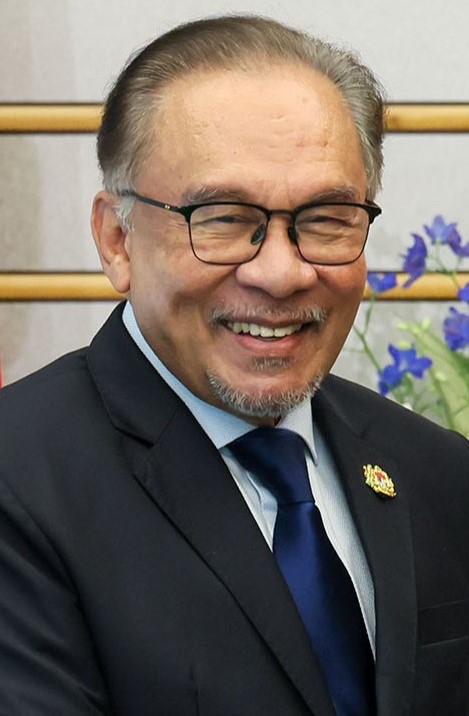
Universiti Malaysia Terengganu (UMT) has moved decisively to defend the credibility of Malaysia's public university admissions framework, categorically rejecting suggestions that the system permits financial transactions or shortcuts for unqualified candidates. The institution's response came after Jitra assemblyman Dr Haim Hilman Abdullah levelled accusations that places at public universities were available for purchase and that students failing to meet entry standards could secure admission through unofficial channels.
In a statement released from the university's headquarters in Kuala Nerus, UMT's Corporate Communications Office director Zukiferee Ibrahim emphasised that such allegations strike at the heart of public trust in Malaysia's higher education sector. He expressed particular concern that unsubstantiated claims can fundamentally damage how Malaysians perceive the fairness and transparency of admission mechanisms that determine access to public tertiary institutions. When public figures question the integrity of these systems without providing verifiable evidence, the risk extends beyond any single institution to the broader ecosystem of public universities and the national education framework itself.
The university spokesperson underlined that Malaysia's public university admission system operates within a clearly defined structure characterised by transparent procedures and consistent application of established criteria. These mechanisms, he noted, are not arbitrary; they are underpinned by official policies and regulatory frameworks established by government authorities responsible for overseeing higher education. This structured approach exists to ensure that admissions decisions reflect genuine academic merit and adherence to institutional entry requirements, protecting both the credibility of degree qualifications and the quality of cohorts admitted to programmes across the country.
Zukiferee stressed that public institutions such as UMT bear a special responsibility to safeguard confidence in the education system, given their role in shaping Malaysia's intellectual capital and future workforce. Any statement that could mislead the public or introduce doubt about admissions procedures, he argued, must therefore be grounded in substantive, verifiable facts rather than unsubstantiated claims. The absence of concrete evidence accompanying such allegations makes their dissemination potentially damaging to institutional reputations and public perception of a system that thousands of students depend upon each year.
In response to the allegations, UMT's management took the step of filing a formal police report against Dr Haim Hilman Abdullah, the Kedah state executive councillor representing Jitra. This escalation signals the institution's determination to have the claims investigated through official channels, allowing law enforcement to conduct an independent and thorough examination of whether any factual basis exists for the allegations. By pursuing this formal avenue, UMT effectively places the burden of proof on the accuser, requiring that any further discussion of the matter be informed by professional investigation rather than speculation.
The move reflects wider tensions in Malaysia regarding accusations of systemic impropriety in higher education admissions. Public universities in Malaysia serve as gatekeepers to professional careers and social mobility for hundreds of thousands of students annually. When allegations of corrupt or irregular practices emerge—particularly from public figures—they can undermine the legitimacy of institutions that lack sufficient public awareness of their actual procedures and safeguards. For students who succeed through the conventional admission process, such allegations can cast an unwarranted shadow over their qualifications.
UMT's commitment to transparency extends beyond defensive posturing; the institution positioned itself as a guardian of Malaysia's entire higher education ecosystem. The university stated explicitly that maintaining the integrity, transparency, and credibility of the national system serves the interests of current and prospective students, broader society, and Malaysia's development trajectory. This framing connects admissions integrity to national outcomes, suggesting that systemic confidence in educational fairness directly influences economic competitiveness and social cohesion.
For Malaysian students and families navigating the university application process, this dispute carries direct relevance. Uncertainty about whether admissions processes are genuinely merit-based versus subject to hidden pathways can create anxiety and suspicion even among those who gain admission through official channels. Parents and students in Malaysia's competitive education environment keenly monitor any suggestion that qualification-based selection might be compromised, as it affects perceptions of fairness in resource allocation and opportunity distribution across the country's public universities.
The allegations also touch on broader governance questions within Malaysia's public sector. Higher education institutions, while autonomous bodies, ultimately derive authority and funding from government structures. Questions about admissions integrity thus inevitably reflect on government stewardship of public resources and meritocratic principles. By responding through formal investigation rather than dismissal, both UMT and law enforcement authorities acknowledge the seriousness with which such claims must be treated, even as institutions maintain that current systems function as designed.
Looking forward, this incident may prompt Malaysian public universities to examine their communication strategies regarding admissions procedures. While formal policies may be transparent to administrators, the general public often lacks detailed understanding of how selection actually operates. Greater proactive disclosure of admission criteria, statistical outcomes, and oversight mechanisms could preempt future allegations by making the system's transparency evident to external stakeholders. For UMT specifically, the police investigation will likely determine whether the matter concludes with vindication or reveals procedural gaps requiring remediation.