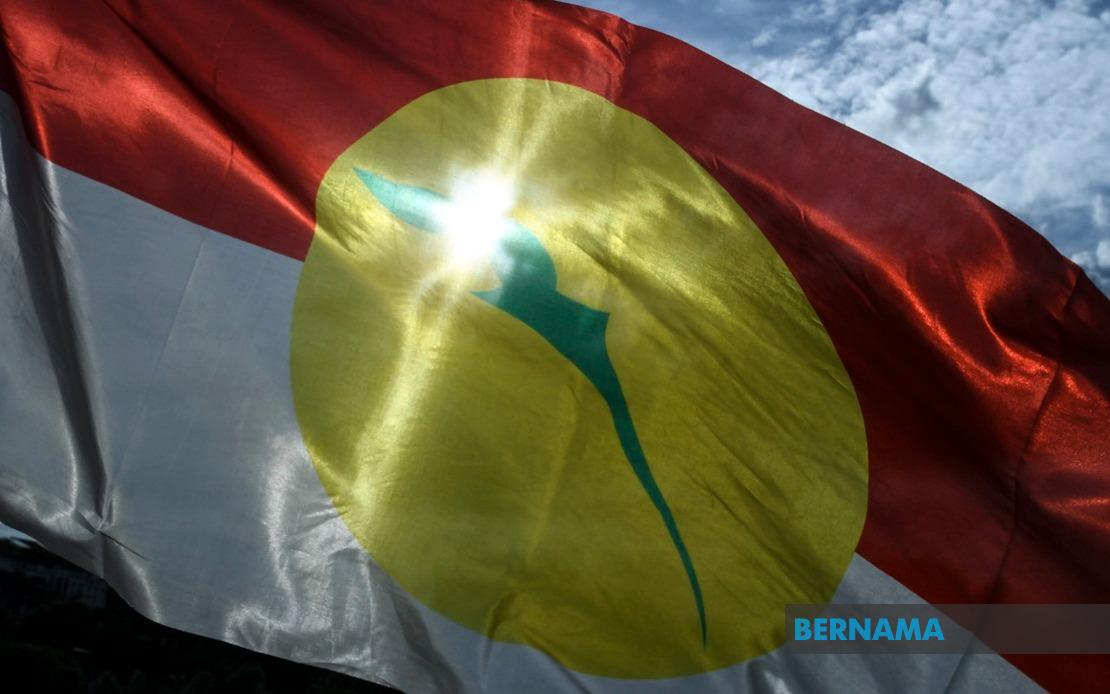
UMNO members must demonstrate unwavering commitment to party principles and public service despite frustration arising from the candidate nomination process for the 16th Johor state election, the party's Information Chief Datuk Seri Azalina Othman Said has stressed. Speaking in Johor Bahru on June 25, Azalina underscored the expectation that all factions within the organisation should accept the outcomes of the selection mechanism and consolidate their efforts as a unified force moving forward. This appeal arrives against the backdrop of visible discontent within UMNO's ranks following the announcement of candidates, signalling potential internal fractures as the party enters the crucial campaign phase.
Azalina acknowledged that the selection process inevitably generates disagreement and personal dissatisfaction among members, noting that such sentiments are natural within large political organisations. However, she drew a distinction between legitimate expression of concerns during internal deliberations and the obligation to respect final party decisions once they are formally announced through established channels. Her statement reflects the delicate balance UMNO leadership must maintain between maintaining internal democracy and preventing open divisions that could undermine electoral performance. The broader context matters here: political discipline and visible unity are instrumental in conveying stability and competence to voters, particularly in a competitive state election where multiple parties vie for support.
Central to Azalina's message was the assertion that genuine political maturity manifests not when members celebrate victories, but when they accept setbacks with grace and continue serving the organisation's larger mission. She emphasised that the public judges parties not merely on their campaign promises but on how their members conduct themselves under pressure and adversity. This framing positions internal cohesion as a direct electoral asset, linking organisational discipline to voter perception. In the context of Malaysian politics, where political loyalty and party machinery remain decisive factors in state-level contests, such exhortations carry material weight in determining whether UMNO can present the united front necessary to maximise its performance in Johor.
Azalina particularly commended Johor UMNO Liaison Committee chairman Datuk Onn Hafiz Ghazi and his leadership team for executing what she characterised as a challenging selection process with composure, organisational discipline, and political resolve. This public endorsement serves multiple purposes: it signals leadership confidence in the candidate slate, legitimises the selection outcomes, and provides political cover for the selection committee against accusations of favouritism or impropriety. By framing the process as handled with deliberation and courage, Azalina attempted to reshape the narrative around candidate nominations from one of internal conflict to one of principled decision-making. This rhetorical strategy is particularly important given that high-profile resignations and public complaints risk domaging UMNO's image as an organisation capable of managing its internal affairs professionally.
The party Information Chief also stressed that UMNO maintains a deep bench of capable leaders at various levels within its organisational hierarchy. This statement functioned as a subtle counterpoint to those who may have felt personally excluded from candidacy, suggesting that non-selection does not reflect a lack of future opportunities within the party structure. UMNO's cultivation of grassroots figures, emerging younger leaders, and fresh political talent provides the party with strategic flexibility in future elections. For members passed over in this cycle, Azalina's message carried an implicit reassurance that pathways to candidacy remain available in subsequent contests, potentially encouraging continued participation rather than defection to rival parties.
The internal tensions became more apparent when Datuk Dr Mohd Puad Zarkashi, a member of UMNO's Supreme Council, announced his immediate resignation from the party, citing the need to express his views without party restrictions. This move represented a direct challenge to party leadership and a visible fracture in the facade of unity that Azalina sought to project. The resignation gained sharper definition when UMNO secretary-general Datuk Dr Asyraf Wajdi Dusuki publicly attributed Mohd Puad's departure to dissatisfaction stemming from his son's exclusion from the candidate list for the Rengit state seat. The secretary-general's readiness to publicly link a high-profile resignation to perceived nepotism concerns suggests that personal interests and family considerations remain potent forces driving political behaviour within UMNO, potentially complicating leadership efforts to maintain organisational cohesion.
Mohd Puad's departure highlights a recurring challenge within Malaysian political parties: the tension between meritocratic principles in candidate selection and the reality of influential families or members expecting preferred placement. In the Malaysian political context, where family networks, patronage relationships, and business interests frequently intersect with party politics, such grievances are not merely individual disappointments but potentially indicative of broader questions about how parties allocate power and candidacy. The public nature of Mohd Puad's resignation and Asyraf Wajdi's explanation may embolden other dissatisfied members to question the legitimacy of the selection process, potentially cascading into further departures or public criticisms.
For Malaysian and Southeast Asian observers, the Johor selection dispute reflects broader patterns within established political parties across the region. Parties that have governed for extended periods frequently struggle with managing succession, generational transition, and allocation of candidacy among competing power centres. UMNO's ability to resolve these tensions internally will significantly influence its performance in the Johor election, where it competes against Pakatan Harapan-affiliated parties and other contenders for voter support. The party's demonstrated capacity to maintain discipline and present unity despite internal disagreements may prove decisive in a closely contested state contest.
The Election Commission's timeline establishes nominations for June 27, with polling scheduled for July 11, meaning UMNO has limited weeks to stabilise its internal position and launch an effective campaign. This compressed schedule places premium value on rapid resolution of internal grievances and quick mobilisation of party machinery. Leadership messages like Azalina's serve to signal to potentially wavering members that departure or public dissent carries reputational costs, while those who maintain loyalty despite disappointment merit recognition and future opportunities. However, such appeals to discipline work most effectively when paired with visible actions addressing grievances, whether through higher-profile campaign roles for passed-over candidates or explicit assurances regarding future nomination prospects.
The Johor state election represents a significant test for UMNO following its return to prominence in Malaysian politics following the 2022 general election. The party's performance in this state contest will influence its trajectory ahead of the next federal election cycle and affect its capacity to position itself as a dependable coalition partner. Internal divisions visible during the campaign period risk eroding voter confidence in UMNO's ability to govern effectively, a particular concern in a state where Johor UMNO traditionally carries substantial political weight. Azalina's exhortation to party members to prioritise collective interests thus carries implications extending far beyond the immediate state election outcome to shape longer-term patterns of UMNO strength and internal stability within Malaysian politics.
Looking ahead, the effectiveness of UMNO's response to candidate selection grievances will depend on how comprehensively the party can suppress further public defections while simultaneously demonstrating that the selection process reflected genuine deliberation rather than arbitrary preference. Party leadership's challenge involves simultaneously enforcing discipline against dissenters while appearing responsive to legitimate concerns about fairness and inclusivity in candidacy allocation. As the June 27 nomination deadline approaches, the party faces a critical window to stabilise its ranks, present a compelling election platform, and demonstrate to voters that despite internal tensions, UMNO remains a cohesive, professionally-managed political force capable of effective governance in Johor.

