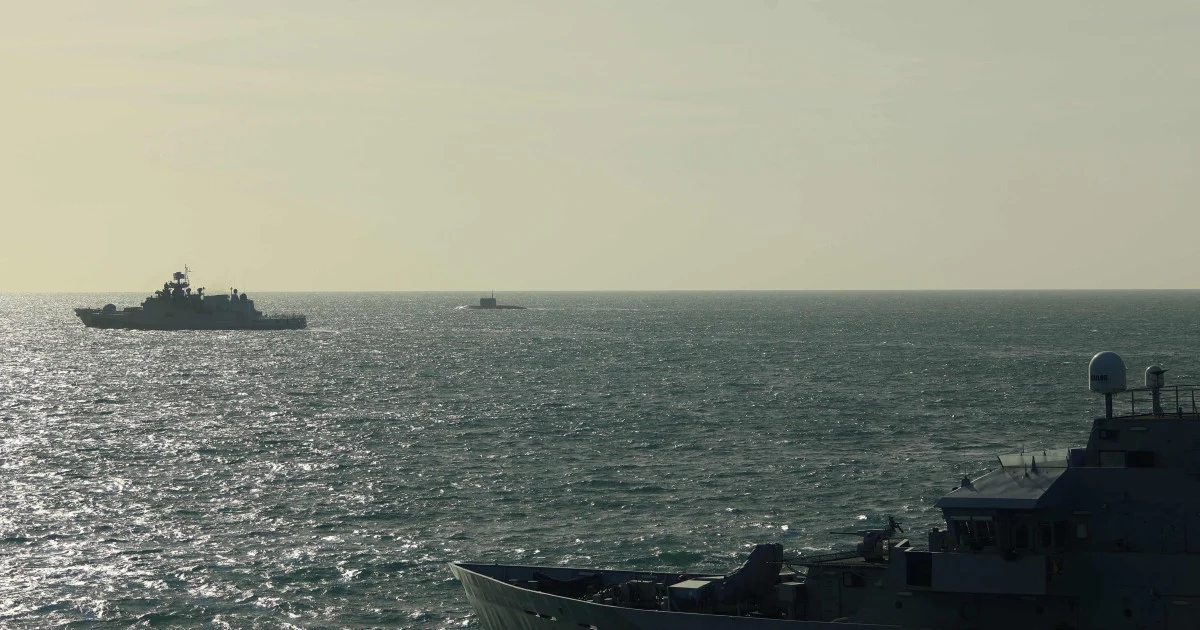
The naval incident unfolded in one of Europe's busiest shipping corridors, highlighting the growing friction between NATO allies and Russia in contested waters. Prime Minister Keir Starmer used carefully measured language on Wednesday to describe the encounter, suggesting that while the Russian military's actions were dangerous and irresponsible, they did not necessarily constitute an intentional provocation designed to inflame tensions. This distinction carries diplomatic weight as both nations navigate an increasingly complicated relationship marked by the ongoing conflict in Ukraine.
The distinction between "reckless" and "sinister" reflects a broader pattern in how Western governments are attempting to respond proportionately to Russian military activities without triggering further escalation. By characterizing the incident as reckless—suggesting poor judgment and lack of care—rather than sinister—implying deliberate malice—Starmer appears to be leaving room for de-escalation while still condemning the conduct. This rhetorical approach provides London with diplomatic flexibility as it manages relations with an increasingly assertive Russian military operating closer to British waters.
The English Channel remains one of the world's most strategically important maritime passages, with thousands of vessels transiting its waters annually connecting European ports to global trade networks. The presence of Russian warships in these waters represents a departure from Cold War practices and signals Moscow's willingness to project power in areas traditionally dominated by Western naval forces. The incident reflects broader geopolitical realignment as Russia seeks to challenge Western military dominance in regions it considers within its sphere of influence or strategic interest.
For Southeast Asian observers, the English Channel incident carries lessons about maritime assertiveness and the international response mechanisms available when military vessels operate in contested waters. The region faces similar challenges with various claimants asserting sovereignty over waterways and conducting military operations that neighbouring countries regard as provocative. The measured British response—emphasizing the recklessness without escalating the characterization to suggest intentional hostility—may serve as a template for how regional powers navigate comparable situations without triggering wider conflicts.
The timing of the incident against the backdrop of the Ukraine war adds complexity to the British government's interpretation. Russia's military has demonstrated willingness to take risks in its naval operations, and distinguishing between calculated aggression and poor judgment becomes increasingly difficult. Starmer's characterization attempts to separate the inherent danger of the action from questions about Russian strategic intent, a crucial distinction when managing a relationship with a nuclear-armed adversary.
Britain has consistently supported Ukraine and maintained sanctions against Russia, positioning itself among Moscow's most vocal critics in NATO. Yet the UK also operates within a framework that requires pragmatic engagement with Russia on certain issues, particularly those involving maritime safety and preventing accidental escalation. The Prime Minister's language suggests an effort to maintain this balance—firmly opposing dangerous Russian behaviour whilst avoiding language that would foreclose diplomatic channels or trigger retaliatory measures that could spiral into larger confrontations.
The incident also underscores the vulnerability of civilian vessels operating in contested maritime spaces. The yacht involved in the encounter represents the broader community of commercial and recreational vessels that depend on freedom of navigation through international waters. The presence of military warning shots, regardless of intent, creates an unpredictable environment that complicates maritime commerce and raises questions about the safety protocols governing military operations in heavily trafficked shipping lanes.
Russia's naval operations in European waters have become increasingly common over recent years, reflecting Moscow's strategy to challenge NATO's dominance and reassert its role as a major power. The English Channel lies just hours from Russian bases, and the Kremlin appears determined to demonstrate that its military can operate in close proximity to British and European territory. These operations serve multiple purposes: they test Western resolve, gather intelligence, and signal to domestic audiences that Russia remains a formidable military power despite international isolation.
The Ukrainian conflict has accelerated this pattern of maritime confrontation, as Russia seeks to project strength while the West attempts to degrade Russian military capabilities through economic and military support for Kyiv. The English Channel incident occurred within this broader context of great power competition, where naval operations increasingly serve as barometers of political tension and instruments of coercive diplomacy. Starmer's measured response reflects the delicate balance required to condemn unacceptable behaviour without allowing individual incidents to spiral into larger security crises.
For Malaysian policymakers monitoring international maritime security, the incident reinforces the importance of establishing clear rules of engagement and communication protocols between military forces operating in shared waters. Southeast Asian nations have invested considerable effort in developing mechanisms to prevent accidental escalation in the South China Sea and surrounding waters, recognizing that military miscalculation in contested maritime spaces poses existential risks to regional stability. The British government's approach—distinguishing between recklessness and deliberate provocation—suggests the value of nuanced diplomacy in preventing maritime incidents from triggering uncontrolled escalation.
Moving forward, the incident will likely feature prominently in discussions between NATO allies about appropriate responses to Russian military provocations. The UK's characterization may influence how other Western nations frame their own encounters with Russian vessels, potentially shaping international norms around acceptable military conduct in shared waters. Whether this measured approach will deter similar incidents or merely invite further Russian assertiveness remains an open question that will unfold across the coming months as great power competition in European waters continues to intensify.