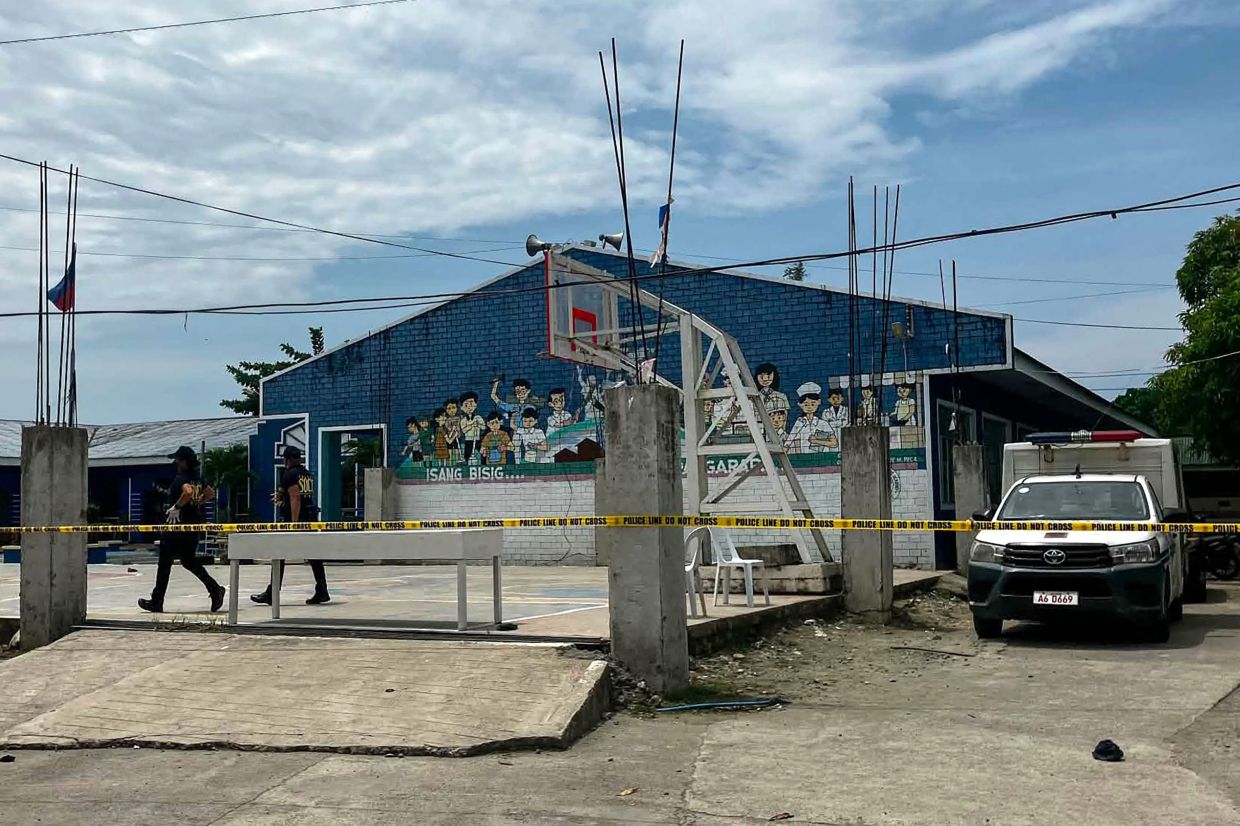
The Philippine nation reeled on Monday following a shooting rampage at San Jose National High School in Tacloban City, where two teenagers armed with handguns entered the campus and opened fire, leaving three students dead and seven more injured. The suspects, aged 14 and 15, were swiftly apprehended by regional police, who confirmed that both perpetrators and all victims were enrolled at the government-run institution serving more than 1,500 students. The incident unfolded during mid-morning hours when the school was at full capacity, amplifying the shock across the community and triggering urgent calls from President Ferdinand Marcos Jr. for enhanced security measures across all educational facilities nationwide.
The circumstances surrounding the assault revealed a troubling breakdown in campus safety protocols. One of the teenage gunmen obtained a 9 mm pistol from his aunt, who is serving as a police officer and is now herself under investigation for the weapon's accessibility. His co-perpetrator used a caliber .38 revolver in the attack. Regional Police Chief Brigadier General Jason Capoy attributed the attackers' successful entry onto campus to insufficient security infrastructure, noting that only a single guard was stationed across multiple entrance and exit points. This security gap allowed the armed students to proceed largely unimpeded until they began their assault.
The attack itself unfolded in harrowing stages. The two suspects initially fired upon students in one classroom, prompting terrified pupils to flee in panic. The gunmen then pursued fleeing victims into an adjacent room, continuing their rampage across the facility. Police subsequently recovered at least 40 shell casings from the scene, underscoring the intensity and duration of the gunfire. The majority of both fatalities and injuries involved female students, police confirmed. Video footage captured on mobile phones by students sheltering in locked classrooms depicted scenes of extreme distress—young people crouched beneath desks, screaming and crying as shots rang out in nearby corridors, with some making desperate calls to their mothers.
Investigators are treating bullying as a potential catalyst for the violence. Both suspects, described as close friends, told initial interrogators that they had endured bullying within the school environment, though authorities declined to provide extensive detail regarding the nature or severity of such incidents. Neither teenager possessed prior criminal records, suggesting no obvious pattern of violent behavior that might have triggered preventive intervention. The motive inquiry remains active, with law enforcement still working to establish the precise grievances that prompted such a catastrophic response.
The apprehension of the two suspects followed divergent paths. One was arrested directly on school grounds immediately after the shooting ceased. His accomplice managed to flee the campus and took refuge in a nearby residential structure. Police located him there only after local residents provided crucial tip-offs to authorities, enabling officers to track him to his hiding place. Both were taken into custody without incident during the arrest phases.
The Philippines confronts a significant firearms problem rooted in the widespread circulation of illegal weapons throughout the archipelago, making gun-related crimes a persistent public safety concern. However, school shootings remain comparatively uncommon in the nation, making this incident particularly jarring for a society accustomed to viewing educational institutions as relatively secure spaces. The last comparable high-profile shooting occurred in 2022, when an armed man opened fire at an upscale university in the Manila metropolitan area shortly before a graduation ceremony, killing three people including a former town mayor with whom the gunman maintained a longstanding personal dispute.
The legal handling of the juvenile suspects poses distinct challenges under Philippine law. The nation's 2006 juvenile justice code establishes 15 as the minimum age at which minors can face criminal prosecution, and only when authorities establish that the accused clearly understood the nature and consequences of their alleged crime. Consequently, the 14-year-old perpetrator faces automatic exemption from criminal liability, while the 15-year-old's prosecution hinges upon evidence of his awareness and intent. Following investigative procedures, both suspects are scheduled to be transferred to government welfare officers, placing them within the juvenile justice and rehabilitation system rather than the conventional criminal process.
President Marcos Jr. conveyed profound dismay at the incident, with his communications office releasing statements expressing the nation's collective sadness and the particular anguish experienced by bereaved families. The presidential directive mandated comprehensive investigation into all circumstances surrounding the shooting and ordered security enhancements across schools, workplaces, and public gathering spaces nationwide. The directive signals governmental recognition that the incident exposed systemic vulnerabilities in institutional security protocols throughout the country.
Communications Undersecretary Claire Castro articulated the president's emotional response, acknowledging that such traumatic events resonate deeply with all citizens, particularly families who lost children. Her remarks underscored the broader societal impacts extending beyond the immediate victims and their relatives to encompass nationwide anxiety about student safety and institutional security. The national police subsequently appealed for public cooperation, requesting that citizens provide any information potentially relevant to the ongoing investigation while maintaining composure and confidence in law enforcement's capacity to manage the situation.
The shooting has reignited discussion regarding firearm access and security protocols within Philippine institutions. The involvement of a police officer's unsecured weapon illustrates the danger posed when law enforcement officers fail to maintain adequate custody of their service arms. Simultaneously, the ease with which two teenagers obtained firearms—regardless of source—highlights the persistent challenge of controlling weapon proliferation in a nation where illegal guns remain disturbingly accessible. Educational administrators now face intensified pressure to implement more rigorous campus security measures, though resource constraints and logistical challenges may complicate such efforts across the nation's thousands of schools.

