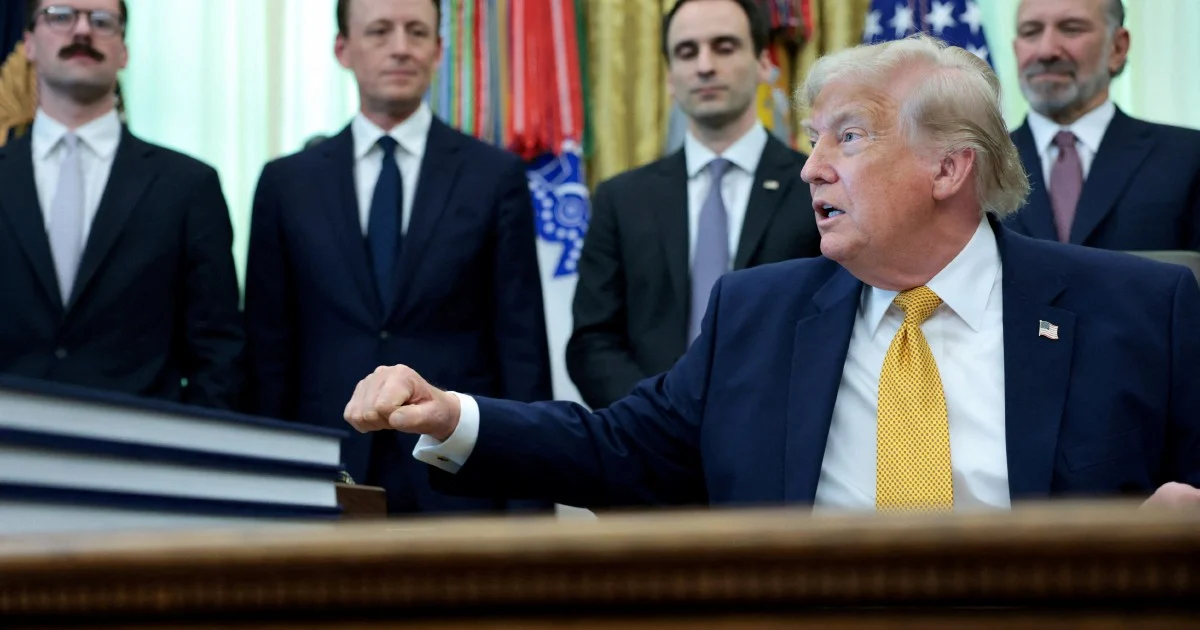
The United States Justice Department announced the arrests of two more individuals on Monday in relation to an alleged conspiracy to launch an attack on the White House during a planned mixed martial arts competition scheduled to take place on the presidential lawn while President Donald Trump was present. This development represents an expansion of ongoing federal investigations into what authorities characterise as a serious security threat aimed at the nation's highest office.
The disclosure of these additional arrests underscores the scale of the investigation and the complexity of the alleged scheme. Federal prosecutors have been examining the motivations, planning stages, and potential connections among multiple individuals believed to have participated in or supported the purported plot. The involvement of several suspects suggests that this was not an isolated incident but rather part of a coordinated effort that required substantial preparation and coordination among different actors.
Security at the White House represents one of the most heavily resourced and carefully monitored aspects of American presidential protection. The fact that authorities identified and interdicted an alleged plot at such an early stage reflects both the sophistication of modern counterterrorism capabilities and the constant vigilance required to protect high-value targets. The Service Secret Service, the FBI, and other federal law enforcement agencies work in concert to identify potential threats before they can materialise into actual attacks.
The decision to host a UFC event on the White House lawn, if confirmed, would represent an unusual gathering of significant scale and publicity. Such events typically draw large crowds, require substantial logistics, and create distinctive security challenges compared to standard presidential operations. Large public gatherings on or near presidential properties have long been recognised as occasions that require heightened security measures and multi-agency coordination.
The nature of these alleged arrests raises broader questions about how law enforcement balances the freedom to hold public events with the imperative to protect national security. Each major event at the White House or other critical infrastructure sites requires months of planning with security agencies, and intelligence agencies continuously monitor for potential threats during such occasions. The identification of this particular plot demonstrates that threat assessment protocols are functioning as intended.
From a Southeast Asian perspective, incidents of this nature at American facilities are monitored closely by regional security establishments. Malaysia and other Association of Southeast Asian Nations members maintain diplomatic missions in Washington and contribute to international security frameworks that depend on the stability of American institutions. Any successful attack on the White House would have ramifications extending far beyond the United States, affecting global financial markets, international relations, and security postures across the region.
Federal prosecutors are expected to bring formal charges against the arrested individuals, with cases moving through the American criminal justice system. The charges will likely include conspiracy, potentially combined with more serious offences depending on the specific allegations and evidence. Courts will ultimately determine whether the accused individuals acted with intent to carry out the alleged attack or whether law enforcement apprehended them at an earlier planning stage.
The investigation into this matter has drawn resources from multiple federal agencies, reflecting the serious nature of the allegations. The involvement of the Justice Department in announcing these arrests indicates that federal rather than local authorities are leading the investigation, which is standard procedure for cases involving threats to the President or critical American facilities. This coordination demonstrates how contemporary law enforcement operates across jurisdictional boundaries to address national security concerns.
Investigators will likely examine digital communications, financial records, and other evidence to establish the timeline of the alleged plot and identify any additional individuals who may have been involved or aware of the scheme. Such investigations are typically protracted, with authorities wanting to ensure they have comprehensively identified all participants before bringing cases to trial. Public disclosure of arrests is often strategically timed once authorities believe they have sufficient evidence and have secured the safety of the immediate area.
The alleged plot comes at a time of heightened political polarisation in the United States, with various fringe groups and individuals expressing extreme views through multiple channels. Federal agencies have identified an increase in ideologically motivated violence over the past several years, requiring them to allocate substantial resources toward prevention and investigation. The alleged White House incident fits within this broader pattern of domestic security concerns that American law enforcement has prioritised.
Looking forward, this case will likely influence discussions about event security at major American facilities and the balance between openness and security. Policymakers will examine whether any procedural changes are warranted in light of the alleged plot. Meanwhile, international observers, including those in Malaysia and across Asia, will monitor developments as they unfold through the American legal system, recognising that threats to American stability have implications extending into the international sphere.

