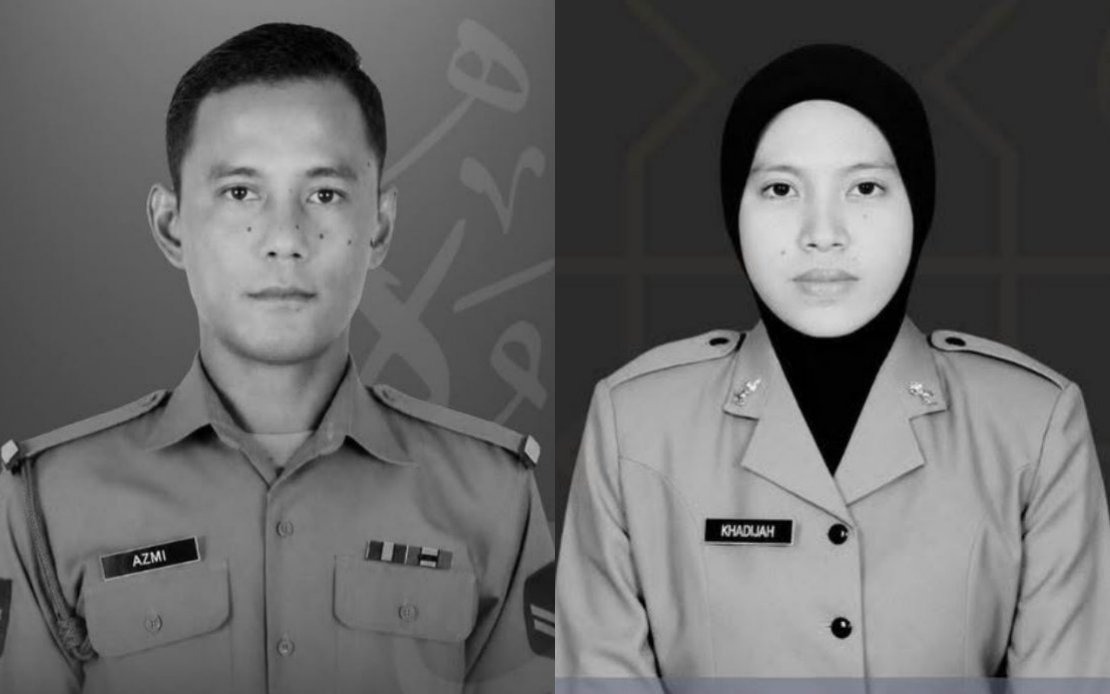
Two soldiers from the Malaysian Army lost their lives during a routine training exercise at Hobart Camp shooting range in Gurun, Kedah, when a grenade detonated unexpectedly during a throwing drill. The incident, which occurred at 10.57 am, has been confirmed by the Army, which released the identities of both casualties and initiated an urgent investigation into the circumstances surrounding the tragedy.
Corporal Norazmi Abu Bakar, serving with the 6th Battalion of the Royal Malay Regiment, and Private Siti Khadijah Sungip of the 1st Squadron, Royal Army Engineers Regiment, sustained catastrophic injuries from the blast. Both personnel were evacuated immediately but succumbed to their wounds during transit to Sultan Abdul Halim Hospital in Sungai Petani, located approximately 20 kilometres from the training facility. The rapid deterioration of their condition during the journey highlighted the severity of injuries typical in such explosive incidents.
The training exercise in which the accident occurred was part of the RAJD Combat Enhancement Training programme, a standard component of military preparation conducted under the oversight of the 2nd Infantry Division. This particular curriculum is designed to build competency in field operations and tactical skills deemed essential for operational readiness. The inclusion of live grenade training, whilst presenting inherent risks, forms a critical element of soldier preparation across most military organisations. The incident raises questions about whether existing safety measures, supervision protocols, and training methodologies were adequate to prevent such an occurrence.
General Tan Sri Azhan Md Othman, the Army Chief, has ordered a comprehensive and immediate investigation to establish the root cause of the explosion. Such inquiries typically examine equipment condition, handling procedures, environmental factors, and individual actions in the moments preceding the incident. The urgency of the directive suggests the high-level attention this tragedy has garnered within military command structures. Preliminary investigations will likely focus on whether the grenade was defective, whether handling protocols were breached, or whether some other mechanical or procedural failure contributed to the premature detonation.
The Army Chief has extended formal condolences to the families of both deceased personnel, acknowledging the profound loss experienced by those closest to the victims. In addressing the bereaved families, he urged them to find strength during this difficult period, a sentiment typical of military institutions when commemorating fallen service members. The personal nature of this outreach underscores the gravity with which the incident has been received at the highest levels of the armed forces hierarchy.
Autopsy procedures are scheduled to take place at Sultanah Bahiyah Hospital in Alor Setar, the state capital, approximately 60 kilometres from the incident site. Post-mortem examinations in cases involving explosive injuries serve not only forensic purposes but may also provide technical insights into the blast dynamics and injury patterns that could inform the ongoing investigation. The selection of a tertiary hospital facility suggests the need for specialist pathological analysis typical in such cases.
The Malaysian Army has committed to a thorough review of all training safety protocols following the investigation's completion. This pledge signals recognition that existing safeguards may require reassessment or enhancement. Military training deaths, whilst statistically uncommon, occur periodically across armed forces worldwide and typically prompt systemic reviews of procedures, equipment maintenance schedules, supervision ratios, and emergency response capabilities. The outcome of this investigation may influence how similar training is conducted across other units and facilities within the Malaysian military establishment.
Training-related fatalities within military organisations present a particular challenge to institutional culture and morale, as they represent deaths occurring not in combat but in preparation for it. For the broader Malaysian military community, including service members, families, and dependents, such incidents trigger reflection on the balance between operational necessity and acceptable risk. The incident also places scrutiny on whether soldiers receive adequate pre-training briefings on hazard recognition and whether supervision levels match the inherent dangers of live ammunition and explosive exercises.
For Malaysian civilians, this incident serves as a reminder of the occupational hazards that military personnel face even during peacetime training cycles. Whilst combat remains the most publicly visible source of military casualties, training accidents claiming lives underscore the continuous physical demands and dangers embedded within military service. The loss of two relatively junior personnel—a corporal and private—highlights that risk extends across all ranks and tenure levels within the armed forces structure.