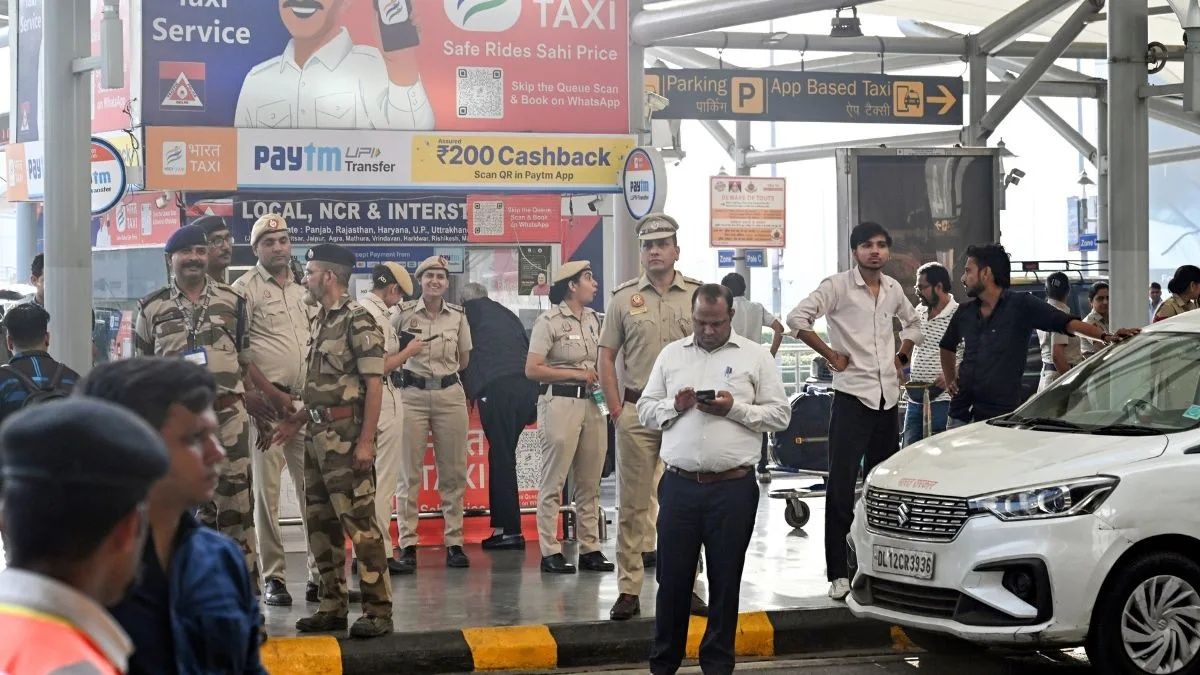
Punjab Police have apprehended two individuals alleged to be operatives of the banned Khalistan Zindabad Force following their deportation from Malaysia, marking a significant breakthrough in an ongoing crackdown against overseas support networks for extremist activities in India. Gurvinder Singh from Ambala and Manjit Singh from Patiala were taken into custody upon arrival at Delhi's Indira Gandhi International Airport after coordinated efforts between Punjab Police, Indian intelligence agencies, and the Royal Malaysia Police resulted in their extradition. The operation underscores growing international cooperation in countering cross-border terrorism and the intricate financial mechanisms through which hostile elements attempt to destabilise the region.
According to Punjab's Director General of Police Gaurav Yadav, the deportation formed part of a targeted intelligence-driven operation designed to dismantle the international architecture supporting terror operations within Punjab. The investigation had initially focused on domestic modules allegedly plotting attacks on critical infrastructure, but forensic and financial analysis progressively revealed overseas connections orchestrating support from abroad. This discovery prompted authorities to expand their probe beyond India's borders, leading them to Malaysia where the two suspects had reportedly established themselves as key coordinators within the terror network.
The initial trigger for these investigations stemmed from two significant security incidents earlier this year. On January 23rd, authorities uncovered a terror module connected to an improvised explosive device that detonated near Sirhind in Fatehgarh Sahib district. This was followed by another attempted blast near Shambhu in Patiala district on April 27th. Both incidents pointed to a coordinated effort to strike at Punjab's infrastructure, particularly sections of the Dedicated Freight Corridor—a critical economic artery linking India's ports and industrial centres. The sophistication and coordination evident in these attempts immediately suggested involvement of experienced handlers and adequate financial backing.
During investigations into these infrastructure threats, police arrested multiple individuals and recovered an extensive arsenal that revealed the operational capability of the module. The seized materials included an RPG launcher, improvised explosive devices, RDX and other explosives, hand grenades, and sophisticated pistols alongside substantial ammunition stocks. The quantity and variety of weaponry indicated serious preparation for large-scale violence rather than isolated incidents. This cache alone demonstrated that the perpetrators possessed access to significant resources and specialised procurement networks capable of sourcing military-grade equipment.
Financial investigations proved pivotal in uncovering the international dimension of the conspiracy. Tracing the flow of money used to procure weapons, establish operational bases, and sustain the module led authorities to foreign banking channels. Security agencies discovered that funds were being routed through overseas accounts in ways designed to obscure their origin and ultimate destination. This sophisticated laundering process itself indicated professional handlers with knowledge of international financial systems and methods to evade detection. The money trail ultimately led investigators to Malaysia, where the two accused had established themselves.
Within Malaysia, Gurvinder Singh and Manjit Singh allegedly functioned as key financiers and coordinators for the broader terror network. Their primary role centred on arranging and transferring funds to operatives in Punjab, maintaining communication channels with handlers in other countries, and recruiting or facilitating the movement of additional personnel. The pair operated within a larger ecosystem of overseas sympathisers and handlers scattered across multiple nations, all working in concert to support the banned Khalistan Zindabad Force and its affiliated modules. Their apprehension represents a significant disruption to this international network, though investigators acknowledge the conspiracy extends far beyond these two individuals.
The deportation itself reflects strengthening security cooperation between India and Malaysia in combating transnational terrorism. The Royal Malaysia Police's collaboration in identifying, locating, and handing over the suspects demonstrates the growing recognition across Southeast Asia that terror networks operating from one country pose direct threats to regional stability. For Malaysia specifically, the operation indicates official commitment to preventing its territory from being used as a staging ground or financial hub for terror activities affecting neighbouring countries. This cooperation carries particular significance given Malaysia's role as a regional financial centre and its geographic position along major international trade routes.
Upon their arrival at Delhi's Indira Gandhi International Airport, both suspects were immediately produced before a court in Patiala, which ordered their remand into police custody for intensive interrogation. The custody orders allow investigators to systematically extract information about the wider terror network, including identities of other operatives, overseas handlers, additional financiers, and the full scope of planned operations. Police are particularly focused on understanding the complete chain of command, identifying any remaining active modules, and tracing dormant resources that may enable future attacks. The interrogation will likely reveal connections to other suspects already arrested or individuals still at large.
Investigators have now expanded their focus to identify and locate additional individuals connected to the larger conspiracy. Punjab Police are working to map the complete network of operatives, financiers, and facilitators involved in coordinating terror activities. This includes pursuing leads about overseas-based handlers who may be orchestrating multiple similar modules across India, understanding recruitment and radicalisation methods employed by the network, and identifying any sympathisers or facilitators within India who have not yet been apprehended. The investigation has also prompted security agencies to review other similar infrastructure incidents across Punjab to determine whether any connect to this network.
The operation highlights how terror organisations now function as truly transnational enterprises, with operational cells in one country receiving direction and financial support from handlers and financiers scattered across multiple nations. The Khalistan Zindabad Force and similar proscribed groups have successfully established overseas wings capable of substantial resource mobilisation. What distinguishes contemporary terror networks is their sophistication in exploiting international banking systems, leveraging diaspora communities, and maintaining operational security across borders. For Malaysian authorities and other Southeast Asian governments, the case demonstrates how vigilance regarding financial flows, immigration patterns, and the establishment of terror-support infrastructure is essential to preventing violent extremism from destabilising the region.
Looking forward, the investigation will have reverberations beyond Punjab's borders. The identification of Malaysia as a key node in the financing network may prompt broader regional reviews of how terror money flows through Southeast Asia. Intelligence agencies across the region will likely intensify monitoring of similar patterns and networks. For India, the successful extradition demonstrates that international legal frameworks, despite their limitations, can be leveraged to counter terrorism when political will exists. The case also underscores the importance of sustained diplomatic engagement focused on security cooperation, as the deportation required coordination at multiple governmental levels between Delhi and Kuala Lumpur.
Punjab Police have affirmed their commitment to dismantling the remaining terror-support infrastructure, disrupting any dormant funding networks, and ensuring sustained peace across the state. The investigation remains fluid, with authorities continuing to follow leads, interview suspects, and analyse recovered materials and financial records. The two arrested operatives will likely face charges under India's counter-terrorism legislation, including provisions of the Unlawful Activities (Prevention) Act, given the severity of the alleged conspiracy and the military-grade materials involved. The broader implications extend across South Asia and Southeast Asia, where authorities must grapple with the challenge of preventing terror organisations from establishing effective international networks despite increased border security and intelligence cooperation.

