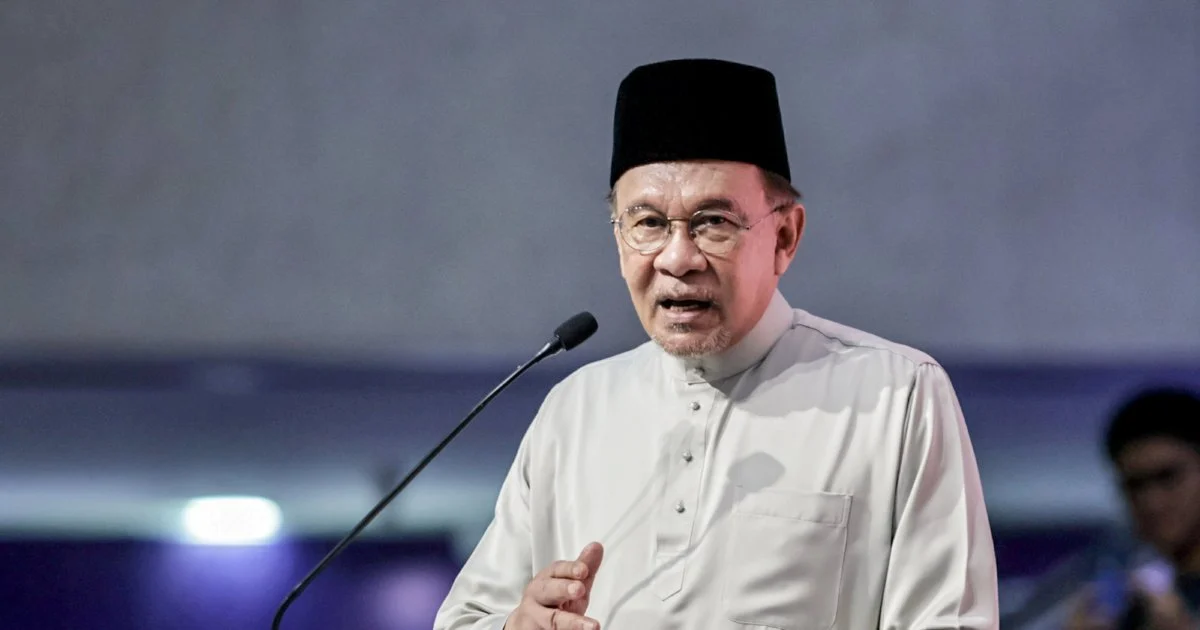
Tunku Ismail Sultan Ibrahim, the Tunku Mahkota of Johor, received Prime Minister Datuk Seri Anwar Ibrahim for a meeting in Kuala Lumpur, marking a significant interaction between one of Malaysia's most prominent royal figures and the nation's chief executive. The audience took place in an atmosphere characterised by cordiality and mutual respect, according to official descriptions of the engagement.
The meeting carries significance within Malaysia's constitutional and political framework, where the institution of royalty maintains a distinctive role alongside the executive branch of government. As the heir to the throne of Johor, one of Malaysia's richest and most influential sultanates, Tunku Ismail Sultan Ibrahim commands considerable attention in national affairs. His position has evolved beyond ceremonial functions, with the royal figure increasingly vocal on matters affecting the nation's economic development, youth engagement, and institutional integrity.
Prime Minister Anwar Ibrahim's visit to see Tunku Ismail Sultan Ibrahim reflects the importance of maintaining strong communication channels between the political executive and the royal establishment. These formal engagements serve to reinforce institutional relationships that underpin Malaysia's constitutional monarchy system. The harmonious nature of their meeting suggests alignment on key national priorities, though specific agenda items were not disclosed in official statements.
Tunku Ismail Sultan Ibrahim has established himself as a notably active member of Malaysia's royal hierarchy, distinguishing his tenure through public engagement on contemporary issues. His presence on digital platforms and participation in national discourse have made him visible to younger Malaysians, contributing to the modernisation of how the sultanate institution interfaces with the public. This contemporary approach to royal responsibilities has generated both support and scrutiny, depending on one's perspective regarding the appropriate scope of royal involvement in political discourse.
Johor's significance to Malaysia's political economy cannot be overstated. The state generates substantial revenue through its ports, manufacturing sectors, and investments, making it a crucial player in national economic planning. The relationship between federal leadership and Johor's monarchy therefore extends beyond ceremonial courtesy into practical cooperation on development initiatives, infrastructure projects, and regional stability. Any strengthening of ties between Putrajaya and the Johor palace carries implications for how effectively the government can coordinate policy implementation in the state.
The timing and nature of such audiences often carry symbolic weight in Malaysian political culture. Public documentation of cordial relations between government and royal leadership serves to project stability and institutional cohesion during periods when such reassurance may be valued. Given Malaysia's recent political volatility and the challenges facing the Anwar Ibrahim administration, demonstrating harmonious engagement with key power centres provides a signal of governmental confidence and continuity.
For Southeast Asian observers and regional partners, such meetings underscore how Malaysia manages its institutional relationships. Unlike some regional neighbours, Malaysia's system deliberately maintains distinct spheres of influence for the monarchy and executive government, requiring regular calibration and communication to prevent friction. The visible warmth of this engagement therefore indicates effective management of these constitutional relationships at a time when the region faces economic headwinds and geopolitical uncertainties.
The Tunku Mahkota's role as heir to Johor's throne makes him particularly relevant to long-term strategic planning within the state. His engagement with the Prime Minister may encompass discussions on development corridors, business-friendly policies, and institutional reforms that could shape Johor's trajectory over the coming decade. Such forward-looking conversations between royal and political leadership often occur in private settings before being translated into public policy initiatives.
Malaysian political analysts frequently emphasise the importance of royal-government relations in maintaining institutional legitimacy. When such interactions appear strained or distant, they can become focal points for speculation about underlying policy disagreements or political tensions. Conversely, public documentation of positive engagement helps sustain confidence in the nation's constitutional frameworks at moments when public discourse may be polarised on other issues.

