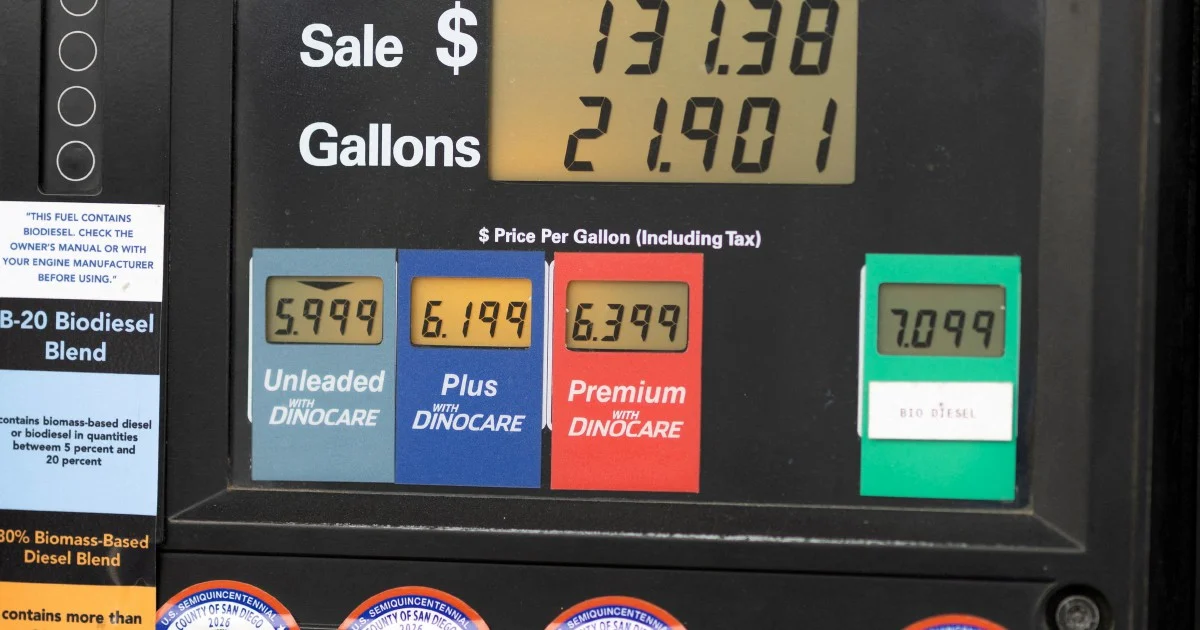
Donald Trump has directed authorities to launch a formal investigation into major oil companies, citing their failure to reduce petrol prices at the pump as rapidly as he anticipated. The move represents a notable escalation in presidential pressure on the petroleum sector at a time when geopolitical volatility in the Middle East continues to influence global energy dynamics and consumer sentiment across American markets.
The timing of Trump's directive reflects his administration's growing frustration with what officials view as inadequate price reductions by major oil producers and refiners. Despite recent shifts in international energy supplies and adjustments to global crude benchmarks, the cost of filling a vehicle's tank has remained stubbornly elevated, creating political headwinds for the administration. This disconnect between crude oil market movements and retail petrol station prices has become a flashpoint for consumer discontent and an unwanted campaign issue for Republican leadership.
Geopolitical instability in the Middle East remains a critical factor underpinning elevated petroleum prices worldwide. Tensions in the region have intermittently disrupted supply calculations and investor sentiment regarding future energy availability. Although recent developments have brought some moderation to these concerns, their lingering effects continue to ripple through global commodity markets, influencing pricing structures from the Gulf to American gas stations in ways that are not always transparent to ordinary consumers.
For Malaysian and Southeast Asian observers, Trump's investigation into oil companies carries broader implications for regional energy security and pricing regimes. The United States remains the world's largest economy and a dominant consumer of petroleum products, meaning that American policy decisions and market dynamics significantly shape global oil valuations. Any shift in how the US government manages relationships with major oil producers or regulates downstream pricing could alter competitive conditions for regional petroleum markets and refining operations across Southeast Asia.
The investigation itself may focus on pricing practices, supply chain decisions, and profit margins among major oil corporations. Regulators typically examine whether companies are engaging in collusion, maintaining artificially inflated price floors, or failing to pass cost savings to consumers. The messaging from the Trump administration suggests frustration that industry participants have benefited from supply disruptions without demonstrating corresponding commitment to rapid price relief once underlying pressures eased.
From a consumer perspective, the complaint reflects genuine economic anxiety in American households. Petrol prices directly affect transportation costs, agricultural operations, logistics expenses, and ultimately the prices of goods and services throughout the economy. When drivers perceive that oil companies are extracting excessive profits rather than competing vigorously on price, political demands for intervention typically intensify, particularly ahead of electoral contests.
Historically, presidential probes into oil company practices have taken various forms, from antitrust examinations to congressional testimony requirements and regulatory scrutiny. The outcomes depend substantially on whether investigators identify specific wrongdoing or whether the investigation concludes that high prices reflect legitimate supply constraints and global market forces beyond individual company control. Trump's administration has previously shown willingness to challenge major corporations through executive action and regulatory pressure, suggesting this investigation could be more than symbolic.
The investigation also reflects broader tensions within the Republican coalition between consumers seeking lower energy costs and the oil and gas industry, a traditional party ally. Trump's approach of scrutinizing major oil companies while maintaining favorable overall energy policies represents an attempt to manage this political balancing act, addressing consumer grievances without alienating industry supporters through fundamental policy shifts.
In the Southeast Asian context, these developments merit close monitoring by policymakers and energy officials. Malaysia's own petroleum sector and regional energy trade relationships could be affected by shifts in American policy toward major oil producers and refiners. Additionally, any successful investigation or resulting regulations in the United States might create pressure for similar actions in other developed economies, potentially establishing new international standards for energy company practices and transparency.
The crude oil market itself may respond to signals that enhanced government scrutiny of major corporations is forthcoming. Investor uncertainty about regulatory risk can influence longer-term pricing strategies and capital allocation decisions by energy companies. Major oil firms operating internationally must now consider additional political risk premiums when developing pricing strategies and expansion plans, particularly regarding markets sensitive to energy cost inflation.
Ultimately, the relationship between retail petrol prices and crude oil costs involves complex dynamics encompassing refining capacity, distribution networks, taxation structures, and competitive conditions that presidential investigations alone cannot fundamentally reshape. However, Trump's action demonstrates that energy pricing remains a politically sensitive issue commanding executive branch attention, especially when consumer pain is visible at the petrol pump and attributable to unpopular geopolitical circumstances beyond Washington's immediate control.

