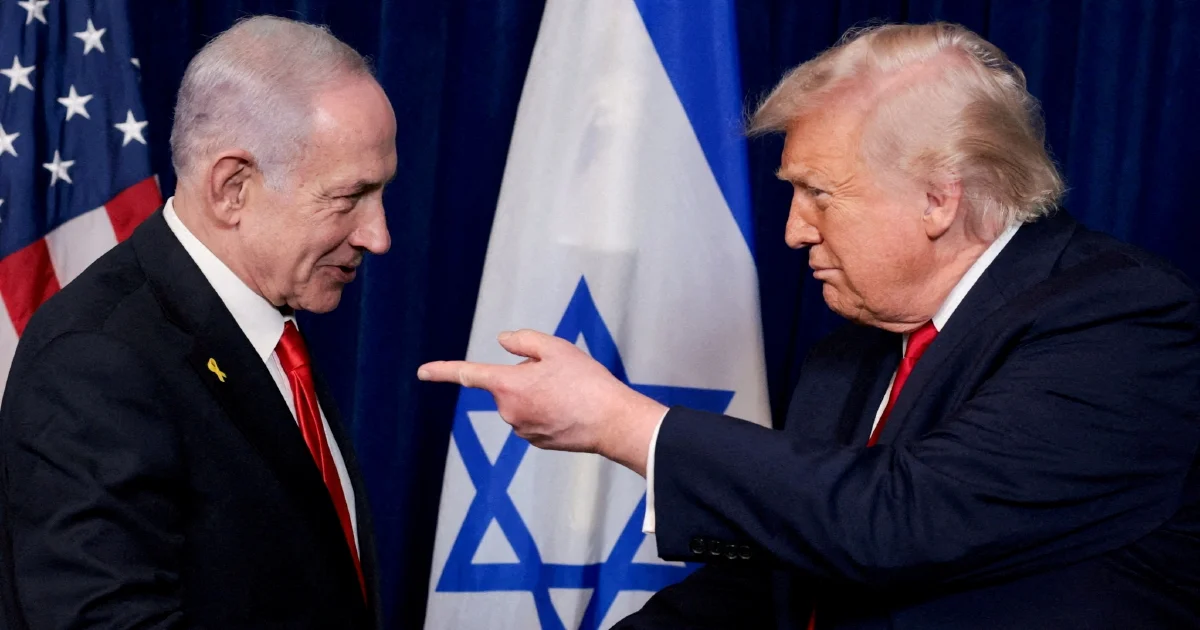
The American presidency under Donald Trump has rarely produced moments of public friction with Israel, but on Tuesday the US President stepped notably outside this pattern by delivering a pointed critique of Israeli military tactics in Lebanon. Trump specifically questioned the necessity of Israel's strategy to demolish entire apartment complexes in its campaign against Hizbollah, suggesting instead that more targeted approaches could achieve the same security objectives without the scale of civilian casualties now being documented across southern Lebanon.
This intervention represents an uncommon diplomatic episode in the traditionally close American-Israeli relationship. While the United States has historically provided consistent backing for Israeli security operations and maintains one of the most robust defence partnerships in the Middle East, Trump's comments underscore growing international concern about the humanitarian cost of escalating operations along Lebanon's southern border. The remarks carry particular weight given Trump's generally pro-Israel stance throughout his political career and his administration's typically firm support for Israeli military actions across the region.
The Israeli military campaign in Lebanon has intensified significantly over recent months, with air operations expanding in scope and frequency as tensions between Israel and Hizbollah have reached unprecedented levels. The Lebanese militant organization, designated as a terrorist entity by Israel and several Western nations, operates extensive military infrastructure integrated throughout civilian populated areas, creating the tactical challenge that Israeli commanders cite in justifying their operational methods. However, independent observers and humanitarian organizations have documented that the scale of destruction often extends far beyond military targets, affecting residential neighbourhoods, hospitals, and civilian infrastructure.
Trump's criticism focuses on what military analysts term the "proportionality" question in armed conflict—the principle that means employed must be necessary and the harm to civilians cannot be excessive relative to military advantage gained. By arguing that entire buildings need not be destroyed to achieve strategic aims, the American President implicitly echoes positions held by international humanitarian organizations and legal experts who question whether current Israeli tactics align with established laws of armed conflict. This framing matters significantly in the Middle Eastern context, where civilian casualties intensify regional grievances and fuel recruitment narratives for militant groups.
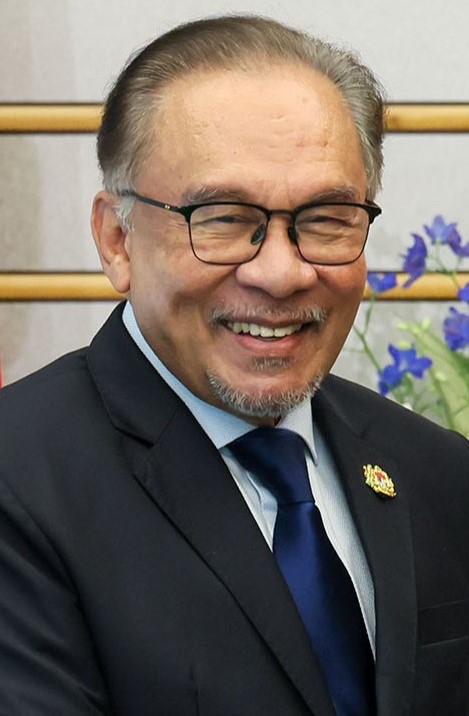
For Malaysia and other Southeast Asian nations, Trump's statement carries broader implications regarding Washington's approach to military partnerships and the political boundaries it draws around them. The region has long observed how the United States calibrates its diplomatic relationships, maintaining support for allied military actions while occasionally expressing concerns about methods and civilian impact. Malaysia, home to significant Muslim populations and with historical sensitivity to Palestinian and Lebanese issues, may view this moment as evidence that even strategically important partnerships are not immune to international pressure regarding humanitarian concerns.
The Lebanese context presents particular complexity given that country's fragile political balance and humanitarian crisis. Lebanon faces severe economic collapse, with currency devaluation and banking sector failures creating widespread poverty and limiting access to basic services. Against this backdrop, escalating military operations have displaced thousands of civilians and compounded the nation's humanitarian emergency. Communities in southern Lebanon, already among the country's poorest regions, now face additional displacement and infrastructure damage that will require substantial reconstruction efforts long after any ceasefire.
Trump's intervention also reflects American domestic political considerations. Sections of the Democratic Party and progressive constituencies have increasingly criticized Israeli military tactics, particularly regarding civilian harm. By expressing reservations about Israeli bombing campaigns, Trump potentially inoculates his administration against accusations of unconditional support for Israeli operations, though his overall position remains decidedly pro-Israel compared to more critical Democratic voices. This calculated calibration of criticism allows the administration to maintain its core alliance while acknowledging international humanitarian concerns.
The statement's actual impact on Israeli military planning remains uncertain. Israel's security establishment operates based on its own threat assessments and strategic calculations, and American criticism, even when delivered publicly, does not automatically translate into operational changes. However, sustained American pressure could eventually influence Israeli decision-making, particularly if combined with Congressional concern about civilian casualties or conditions attached to military aid provisions. The United States provides Israel with approximately US$3.8 billion in annual military assistance, a substantial commitment that theoretically provides leverage over military conduct.
International humanitarian law experts note that Trump's framing, while welcome to civilian protection advocates, remains incomplete without addressing underlying structural issues. The integration of military infrastructure within civilian areas, whether placed there deliberately or by operational necessity, creates inherent dilemmas for attacking forces. Full compliance with humanitarian law requires not just more precise targeting but also advance warning systems, evacuation corridors, and recognition of civilian presence—measures that complicate military operations but remain legally mandated when feasible.
For the broader Middle East, this moment illustrates how even America's closest security partnerships contain limits and occasional tensions. The United States continues expanding its military commitments across the region while simultaneously attempting to manage civilian harm concerns and international perceptions of its role. This balancing act, already complicated in Gaza, Yemen, and Syria, now extends explicitly to Lebanon as another arena where American influence meets the complex realities of regional conflict and humanitarian crisis.