The Malaysian government is moving closer to formalising social security protections for its citizens who work across the border in Singapore, with Human Resources Minister Datuk Seri R. Ramanan confirming that the Traveller Scheme proposal paper will be presented to Parliament beginning tomorrow. The initiative represents a significant policy shift toward recognising the unique employment circumstances of cross-border workers and ensuring they enjoy formal social protection mechanisms comparable to those available domestically.
The scheme, jointly developed by the Ministry of Human Resources (KESUMA) and the Social Security Organisation (Perkeso), has reached its final preparatory stages. Officials are currently securing all necessary regulatory approvals before implementation, with the entire approval timeline expected to conclude by August, allowing the government to roll out the programme before year-end. This accelerated timeline reflects the administration's commitment to addressing longstanding concerns raised by labour groups and cross-border commuters regarding their vulnerability in the event of workplace accidents, disability, or other social contingencies.
Johor holds particular significance in this policy discussion, given its geographic proximity to Singapore and the substantial workforce commuting daily across the Causeway for employment. Datuk Seri Ramanan indicated that the immediate focus centres on providing social security coverage to approximately 480,000 Malaysians who traverse the Johor-Singapore border regularly for work. This figure underscores the economic interdependence between the two nations and the scale of the workforce requiring protection, making the scheme not merely a domestic social policy matter but a cross-border labour relations initiative.
The mechanics of the Traveller Scheme operate through an expansion of existing Perkeso frameworks, specifically leveraging Act 789, the Self-Employment Social Security Scheme. By broadening the scheme's coverage parameters, eligible cross-border workers will gain the ability to contribute to Perkeso and access eight distinct benefit categories. This design approach maximises efficiency by integrating the new scheme within established institutional structures rather than creating parallel bureaucratic mechanisms, reducing administrative overhead while ensuring beneficiaries receive comprehensive coverage for contingencies including employment injury, occupational disease, invalidity, and survivor benefits.
Parliamentary engagement forms a critical component of the government's rollout strategy. Beyond formal tabling of the proposal paper, the ministry intends to conduct detailed briefing sessions with members of Parliament from both the Dewan Rakyat and Dewan Negara. These engagement activities serve dual purposes: they educate legislators about programme mechanics and benefits, and they build political consensus necessary for swift passage through both chambers. Such consultative approaches typically facilitate smoother legislative processes and demonstrate governmental responsiveness to parliamentary concerns.
The timing of this announcement coincides with the commencement of a parliamentary sitting, providing immediate opportunity for formal introduction of the proposal. The sequential approval process—requiring endorsement from the Dewan Rakyat followed by the Dewan Negara—means that barring unforeseen complications, the scheme could receive legislative blessing within weeks rather than months, substantially accelerating its journey from policy proposal to operational reality. This expedited pathway reflects governmental prioritisation of the initiative and suggests cross-party consensus on its merits.
From a broader policy perspective, the Traveller Scheme addresses a demographic segment often overlooked in traditional social security frameworks. Cross-border workers occupy a legal grey zone, neither fully integrated into Singapore's employment systems nor entirely covered by Malaysian provisions, despite contributing significantly to both economies. By formally extending Malaysian social protection mechanisms to these individuals, the government acknowledges their contributions to national economic activity whilst protecting them against vulnerabilities inherent to transnational employment arrangements.
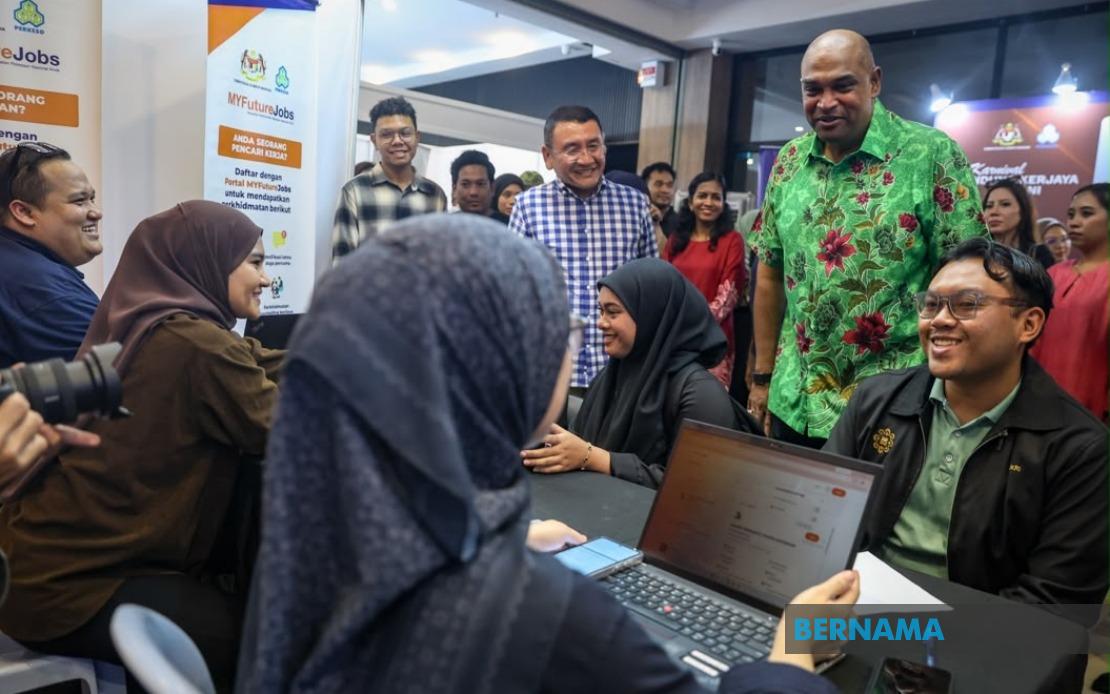
The announcement emerged during an event showcasing employment opportunities in Johor, where the ministry simultaneously highlighted 2,000 job vacancies across twenty participating employers, including positions offering monthly salaries reaching RM16,000. This juxtaposition illustrates governmental commitment to comprehensive employment support—simultaneously promoting domestic job creation and formalising protections for those working abroad. The dual focus reflects sophisticated understanding that economic development requires both attracting international investment and ensuring citizen welfare in global labour markets.
For Malaysian workers currently employed in Singapore, the scheme promises tangible security improvements. Contributions made under the Traveller Scheme framework would accumulate towards eight benefit categories, providing coverage that previously remained unavailable to cross-border commuters. The voluntary contribution mechanism respects worker autonomy whilst enabling those seeking formalised protection to access Perkeso's comprehensive benefit structure. This market-based approach to coverage expansion typically generates higher uptake rates than mandatory schemes, particularly among workers accustomed to informal employment arrangements.
The scheme's implications extend beyond individual worker protections to encompass broader regional labour dynamics. As Southeast Asian economies increasingly integrate and cross-border employment becomes commonplace across the region, Malaysia's initiative may establish precedents for other governments developing comparable frameworks. Singapore, with its substantial Malaysian workforce, possesses vested interest in cross-border workers' welfare and stability; the Traveller Scheme potentially strengthens bilateral labour relations by demonstrating Malaysian governmental commitment to worker protection.
Implementation challenges inevitably accompany schemes of this scope and complexity. Perkeso will require systems development to process contributions from geographically dispersed cross-border workers, many of whom may lack fixed Malaysian addresses or traditional employment documentation. Outreach and education programmes must effectively communicate scheme benefits to workers whose information exposure may be limited, particularly those in lower-skilled categories. Yet the government's decision to secure approvals before August implementation suggests planners have identified potential obstacles and built adequate preparation timelines.
The scheme's success ultimately depends on uptake rates and effective benefit delivery. If substantial numbers of eligible workers enrol and receive timely, accessible support when claiming benefits, the Traveller Scheme will demonstrate government capacity to innovate within existing institutional frameworks whilst responding to emerging employment patterns. Conversely, poor uptake or administrative complications could indicate that policies conceived in Kuala Lumpur fail to address practical realities facing workers navigating daily cross-border routines. Parliamentary scrutiny during the tabling process will likely surface implementation concerns from legislators representing border constituencies with intimate knowledge of cross-border worker conditions.

