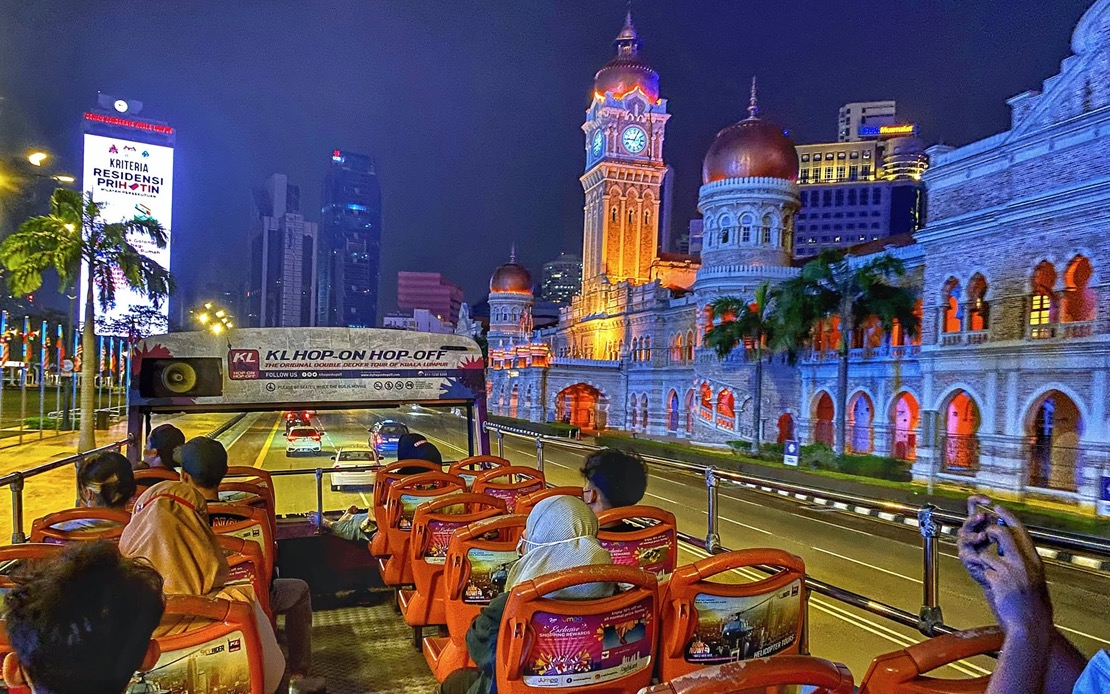
Tourism Malaysia and the operator of Kuala Lumpur's iconic hop-on hop-off bus service have joined forces to galvanise domestic travel through an innovative marketing initiative. The partnership between Tourism Malaysia and Elang Wah Sdn Bhd, which operates the KL Hop-On Hop-Off bus service, marks a strategic effort to encourage Malaysians to explore their own country while building momentum for Visit Malaysia 2026. The campaign was officially launched on June 24 in Kuala Lumpur, representing a coordinated push to strengthen local tourism participation in the lead-up to the nation's flagship tourism year.
Minister of Tourism, Arts and Culture Datuk Seri Tiong King Sing emphasised the continued importance of domestic tourism as a fundamental engine of Malaysia's broader tourism economy. Beyond generating revenue, he noted that internal tourism drives employment throughout the sector, supports community enterprises, and distributes economic benefits across regions. His remarks underscored a strategic recognition that domestic visitors represent a resilient and sustainable market segment, particularly valuable when international travel faces uncertainties.
The campaign leverages six KL Hop-On Hop-Off buses as mobile billboards, each wrapped with distinctive designs that highlight major tourism destinations spanning 15 states and federal territories. The geographic scope is deliberately comprehensive, ranging from religious and cultural landmarks such as the Sri Sendayan Mosque in Negeri Sembilan to natural wonders including the Pinnacles of Mulu in Sarawak. By featuring such diverse attractions, the campaign aims to broaden awareness among urban commuters and tourists about the breadth of experiences available beyond their immediate vicinity.
The buses incorporate interactive QR code technology embedded within their wraps, creating a digital bridge between outdoor advertising and online engagement. Passengers and passersby scanning these codes gain immediate access to Visit Malaysia 2026 travel packages, promotional deals, the official Calendar of Events, and dedicated state tourism websites. This integration of physical and digital marketing channels reflects modern tourism promotion strategies that prioritise accessibility and real-time information dissemination, particularly appealing to mobile-savvy Malaysian audiences.
The timing of this initiative capitalises on a demonstrable surge in domestic travel activity. Malaysian domestic tourism recorded a significant 21.3 per cent year-on-year growth in 2025, with the sector welcoming 290.1 million visitors compared to 260.1 million the previous year. This expansion indicates both growing consumer confidence in local leisure spending and increased supply-side capacity to accommodate visitors. The momentum suggests that promotional campaigns like this one are launching into an already receptive market environment.
Financial performance metrics strengthen the case for continued domestic tourism investment. Domestic tourism expenditure surged by 13.3 per cent to reach RM121.0 billion in 2025, up from RM106.7 billion in 2024. This substantial increase in spending per visitor and aggregate consumer outlays demonstrates that domestic tourists are not merely taking more trips but spending more on accommodation, dining, attractions, and ancillary services. For local hospitality operators, transport providers, and regional economies, this translates into meaningful revenue and employment multipliers.
For Malaysian readers, particularly those in secondary cities and emerging destinations, the campaign's emphasis on nationwide attractions signals growing recognition of tourism's potential beyond traditional hotspots like Kuala Lumpur and Penang. Rural and less-developed states gain marketing exposure through association with Visit Malaysia 2026, potentially directing visitor flows to underutilised infrastructure and emerging cultural experiences. This geographic redistribution of tourism demand can help address regional economic disparities.
The Elang Wah partnership exemplifies how private sector operators can extend government tourism objectives. Transport businesses serving commuters daily gain incentive alignment with national tourism goals, turning routine journeys through the capital into opportunities for destination marketing. This model demonstrates how existing urban infrastructure can be repurposed for tourism promotion without requiring new investments.
Looking toward Visit Malaysia 2026, this domestic campaign serves a preparatory function. By normalising Malaysian travel and familiarising local audiences with diverse destinations, the campaign builds a foundation of internal ambassadors who subsequently become word-of-mouth promoters for international marketing efforts. Satisfied domestic tourists often influence friends and family living abroad, indirectly supporting the international visitor target.
The campaign also reflects broader Southeast Asian tourism trends favouring sustainable and distributed development. Rather than concentrating tourism activity in a handful of mega-destinations, the multi-state approach aligns with regional development principles emphasising community participation and local benefit-sharing. This spatial strategy addresses longstanding concerns about tourism concentration and environmental pressure on iconic sites.
Industry analysts suggest the initiative's success will depend on sustained execution and measurable outcomes. Tracking bus ridership, QR code engagement rates, and resulting booking conversions will provide valuable data for refining Visit Malaysia 2026 strategies. The campaign essentially serves as a real-time laboratory for understanding domestic tourist preferences and media responsiveness.
For Malaysia's tourism sector, this campaign represents a deliberate pivot toward viewing domestic markets not as secondary fallback options but as primary growth drivers worthy of sophisticated marketing investment. As international competition intensifies and tourism becomes increasingly experience-focused, the strategy of encouraging Malaysians to become connoisseurs of their own nation's attractions creates competitive advantages and deepens visitor satisfaction across all segments.

