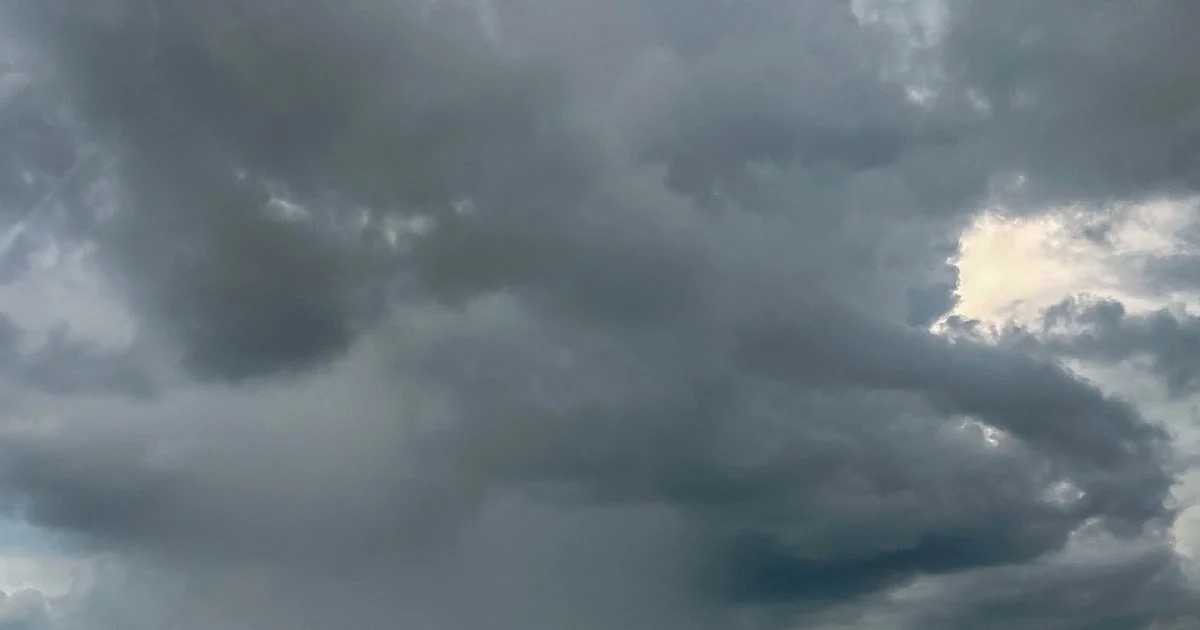
Malaysia's Meteorological Department has activated a weather alert for the northern region, cautioning residents of potentially dangerous thunderstorms sweeping across four states until midday. The warning encompasses heavy precipitation and powerful wind conditions that could impact daily activities and outdoor operations throughout the morning hours.
Thunderstorm events of this magnitude pose multifaceted risks to affected communities. Heavy rainfall within a compressed timeframe can overwhelm local drainage systems, particularly in low-lying residential areas and commercial districts. Strong winds accompanying such storms may dislodge unsecured structures, uproot vegetation, and create hazardous conditions for road users, especially those operating motorcycles and light vehicles that prove vulnerable to sudden wind gusts.
For residents in the affected northern states, the meteorological alert serves as a crucial advisory to take preventive measures before conditions deteriorate. Securing loose household items, ensuring drainage channels remain clear, and postponing non-essential outdoor activities represent practical steps to minimize exposure to severe weather impacts. Commuters should anticipate potential traffic disruptions and exercise heightened caution on roadways where visibility may be significantly reduced.
The timing of this weather phenomenon—persisting until noon—suggests the system may track across the region during peak morning hours when workplace commutes and commercial operations reach their zenith. Schools and educational institutions within warning zones may experience logistical challenges, whilst construction sites and outdoor industrial operations would be particularly vulnerable to suspension or delay.
MetMalaysia's alert mechanism represents the country's systematic approach to public hazard communication, enabling early dissemination of critical weather intelligence to population centres. Such warnings provide essential response time for emergency services, local authorities, and utility companies to position resources and activate contingency protocols. The specificity of the noon deadline allows residents to calibrate their day-to-day schedules accordingly.
Thunderstorm activity in Malaysia's northern reaches reflects seasonal weather patterns characteristic of the region's tropical climate. These convective phenomena arise from atmospheric instability and moisture convergence, typically intensifying during transitional periods between major monsoon seasons. Understanding the meteorological mechanics underlying such events enables communities to develop increasingly resilient adaptation strategies.
For Southeast Asian contexts broadly, thunderstorm preparedness represents an ongoing regional concern. Countries throughout the peninsula and archipelago experience similar convective systems, with meteorological services across the region maintaining active monitoring and alert protocols. Malaysia's experience managing such weather events contributes to broader regional understanding of tropical storm hazards and community response effectiveness.
Business and industrial sectors must factor such weather disruptions into operational planning. Supply chain coordination, workforce scheduling, and customer service continuity face tangible challenges when severe weather events materialise with limited warning. Organisations maintaining contingency protocols—including remote work arrangements and flexible scheduling—demonstrate enhanced resilience against weather-related productivity losses.
The alert underscores the critical importance of meteorological infrastructure and forecasting capability in densely populated tropical regions. Advanced radar systems, satellite observations, and computational modelling enable MetMalaysia to issue timely warnings, reducing exposure to weather hazards. As climate patterns potentially evolve, maintaining and upgrading such scientific capacity becomes increasingly vital for public safety and economic stability.
Residents should remain attentive to official updates from MetMalaysia throughout the morning period, as conditions may intensify, persist longer, or shift geographically. Local media outlets typically broadcast real-time weather bulletins, whilst the meteorological department's digital platforms provide accessible information for those seeking current assessments. Emergency contact numbers for relevant authorities remain essential during severe weather episodes when assistance or incident reporting becomes necessary.

