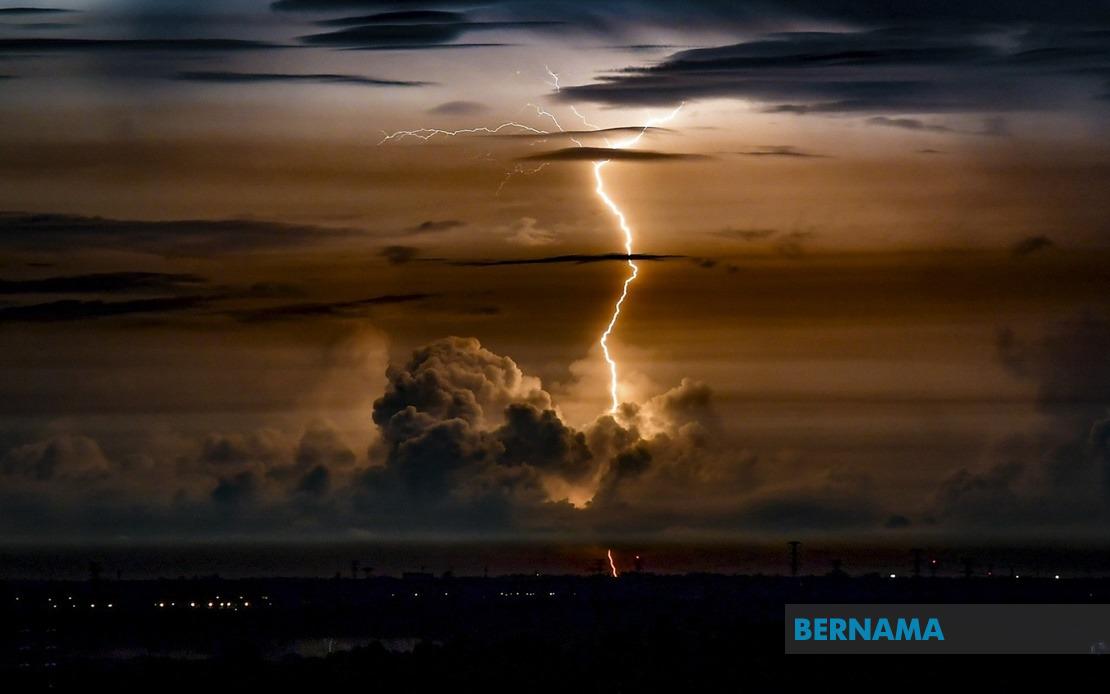
The Malaysian Meteorological Department has alerted residents across a significant portion of the country to prepare for severe weather conditions, with thunderstorms, torrential rainfall and gusty winds expected to persist until 7 pm. The warning encompasses ten states and the federal capital, creating a widespread alert that affects millions of residents and requires precautionary measures across the affected regions.
In the northern region, Kedah faces potential weather disruptions across five administrative areas: Pokok Sena, Padang Terap, Pendang, Sik and Baling. These districts, which span both rural and semi-urban zones, may experience disrupted transportation and flooding in low-lying areas. Perak, the peninsula's largest state by area, confronts an even more extensive warning covering eight districts including the highland region of Hulu Perak, major economic centres like Kinta and Kampar, and several other localities stretching from Larut and Matang dan Selama through to Muallim.
On the east coast, the peninsular states of Kelantan and Terengganu both fall under the alert. In Kelantan, the affected zones include Kota Bharu, the state capital and a major commercial hub, alongside Bachok, Machang and Pasir Puteh. Terengganu's warning covers five areas: Kuala Nerus, Hulu Terengganu, Kuala Terengganu, Marang and Dungun, spanning from inland river valleys to coastal districts. This concentration of weather alerts along the east coast reflects the region's susceptibility to sudden atmospheric disturbances during the monsoon transition periods.
The central region of Peninsular Malaysia also faces significant risk. Pahang, which contains Malaysia's largest national park and extensive highland terrain, is warned about impacts in Cameron Highlands, Lipis, Raub, Bentong, Temerloh and Bera. These districts range from hill stations popular with tourists to inland agricultural zones dependent on stable weather. Selangor, the most densely populated state surrounding Kuala Lumpur, has specific warnings for four zones: Hulu Selangor, Gombak, Petaling and Hulu Langat, areas that include major residential zones, industrial parks and transportation corridors vital to the national economy.
In the southern peninsula, Johor faces alerts in three districts: Segamat, Kluang and Mersing. This warning covers both inland agricultural regions and coastal areas, reflecting the unpredictable nature of the weather system affecting the broader region. Beyond Peninsular Malaysia, the warning extends to Malaysian Borneo, demonstrating the scale of the meteorological phenomenon.
Sarawak, the country's largest state, has issued alerts for multiple districts across different divisions. Betong in the southwest, the Sarikei division covering Pakan, Sarikei and Meradong, Sibu in the central region, and Mukah covering Tanjung Manis, Daro and Matu all face the same severe weather conditions. These areas encompass agricultural zones, palm oil estates and riverine communities where flooding poses particular hazards.
Sabah, on the northern portion of Borneo island, also comes under the warning system. The affected areas include the Interior region (specifically Tambunan), the West Coast division and Kudat in the north. These zones incorporate highland regions, coastal settlements and rural communities where severe weather can quickly create hazardous conditions and disrupt supply chains.
The concentration of warnings across such geographically dispersed regions indicates a substantial weather system affecting much of the Malaysian peninsula and portions of East Malaysia simultaneously. For residents, this means immediate precautions are warranted: securing loose outdoor objects, avoiding unnecessary travel during peak storm hours, and remaining alert to flooding in drainage-prone areas. Motorists should exercise extreme caution as visibility may reduce sharply during heavy downpours and strong winds could affect vehicle stability.
For businesses and infrastructure operators, the alert necessitates operational adjustments. Construction sites should secure equipment, power utilities should prepare for potential outages, and transport operators must consider route modifications or schedule adjustments. Schools and public facilities in affected areas may need to implement contingency protocols to ensure public safety.
The timing until 7 pm suggests this weather system is expected to gradually weaken as evening approaches, though residents should remain cautious and monitor official updates from MetMalaysia. The department typically issues additional warnings if conditions persist beyond initial forecasts or if new systems develop. Given Malaysia's tropical climate and regular monsoon patterns, residents in these zones are generally accustomed to such alerts, but vigilance remains essential as severe thunderstorms can produce localized flash flooding and wind damage with minimal warning.
Agricultural sectors across the affected states should also take note, as heavy rain during critical growing seasons can impact crop health and harvest schedules. Farmers should consider protective measures for vulnerable crops and monitor field conditions closely for waterlogging or erosion risks in the coming hours.

