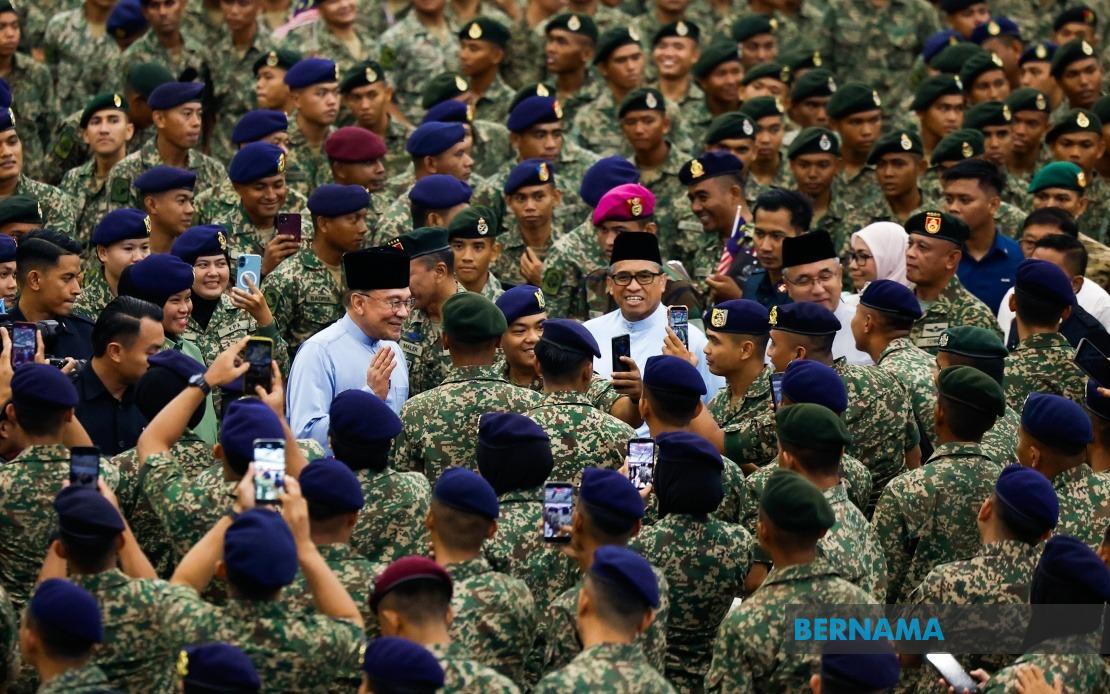
Prime Minister Datuk Seri Anwar Ibrahim has justified the government's three-year delay in releasing the Royal Commission of Inquiry report on Tabung Haji, arguing that premature publication would have destabilised the pilgrims' savings fund and sparked depositor panic. Speaking in Port Dickson on July 24, Anwar explained that withholding the controversial findings was a necessary precaution to preserve confidence in an institution managing the financial interests of millions of Muslim Malaysians.
The timing of the disclosure decision reflects a delicate balancing act between institutional transparency and practical governance concerns. Anwar suggested that releasing the RCI findings immediately after the inquiry concluded would have created conditions for mass withdrawals, potentially undermining Tabung Haji's financial position at a critical juncture. The Prime Minister framed the delay not as a cover-up but as a measured response designed to protect ordinary depositors whose savings depend on the fund's stability and operational integrity.
Central to Anwar's rationale is the leadership transition that has occurred within Tabung Haji over the past three years. New management under chairman Tan Sri Abdul Rashid Hussain has apparently restored institutional credibility and financial health sufficiently that the government now judges public disclosure to be both feasible and appropriate. This suggests that the government's risk assessment has fundamentally changed, with confidence levels among depositors and the broader public apparently now robust enough to absorb potentially damaging revelations contained in the RCI report.
The Prime Minister emphasised that transparency must be tempered with prudence when dealing with institutions of systemic importance. While acknowledging that depositors ultimately deserve access to the truth regarding allegations involving the sale of Tabung Haji's strategic assets, Anwar positioned the government as acting in the collective interest rather than suppressing inconvenient facts. This framing highlights the tension between accountability principles and the practical responsibilities of stewardship over financial institutions affecting vulnerable populations, particularly pilgrims saving for hajj journeys.
Anwar's comments come as the MADANI Government continues to project itself as committed to good governance and the prevention of institutional abuse. The Prime Minister linked the Tabung Haji situation to broader themes of safeguarding public institutions and protecting the interests of ordinary citizens, particularly Muslim and FELDA community members who rely on the fund. This rhetorical positioning attempts to reconcile the delayed disclosure with the administration's espoused commitment to transparency and accountability in public affairs.
Recognition of Tabung Haji's operational recovery appears to provide the government with political cover for the imminent report release. The fund's achievement of the Best Haj Management award for the current haj season demonstrates institutional rehabilitation and renewed competence. By highlighting this positive development, Anwar effectively signals that the conditions justifying confidentiality have been superseded by demonstrable improvements in management and performance, thereby strengthening the case for disclosure at this juncture.
The government's decision to release the report faces scrutiny from within the ruling coalition itself. Opposition voices, including statements from Pakatan Harapan coalition members such as Amanah, DAP, and PKR, have called for Cabinet deliberation on the disclosure question and emphasised the public's right to comprehensive information. These coalition partners maintain that transparency and accountability principles demand that all outstanding questions about Tabung Haji's management and asset sales be answered through official documentation, regardless of potential short-term confidence impacts.
Anwar indicated that he would consult with the Chief Secretary to the Government regarding procedural requirements, specifically whether Cabinet approval is necessary before releasing the RCI report. This consultation process suggests that the final decision on disclosure timing and scope remains subject to internal government deliberation rather than being fully settled. The involvement of Chief Secretary Tan Sri Shamsul Azri Abu Bakar and other senior officials at the Port Dickson event underscores the institutional importance attached to this matter.
For Malaysian depositors and the broader public, the impending release represents an opportunity to understand the specific allegations and findings that prompted three years of confidentiality. The report presumably contains detailed findings regarding the circumstances surrounding asset sales and any breaches of fiduciary duty or governance standards. Access to these findings will enable informed assessment of whether management changes have adequately addressed systemic problems or whether additional institutional reforms remain necessary.
The Tabung Haji situation illuminates enduring tensions in Malaysian governance between transparency imperatives and prudential management of financial institutions. The government's approach essentially argues that phased disclosure, contingent upon institutional stabilisation, represents responsible stewardship. However, this framework leaves open questions about what constitutes adequate confidence levels and whether the public should ultimately bear the consequences of delayed information access, even when authorities claim to act with good intentions.
Regionally, the Malaysian experience with Tabung Haji reflects broader patterns in Southeast Asia regarding the governance of state-linked financial institutions and religious organisations managing substantial public funds. The challenges of balancing transparency with institutional stability affect many regional governments managing Islamic financial institutions, sovereign wealth funds, and religious endowments. How Malaysia resolves the Tabung Haji disclosure question may influence regional approaches to similar governance dilemmas.
Moving forward, the government's commitment to releasing the RCI report provides an important test of its transparency and accountability credentials. The comprehensiveness of the disclosure, the completeness of supporting documentation, and the government's willingness to acknowledge institutional failures will shape public confidence in both Tabung Haji's reforms and the MADANI administration's governance philosophy. The coalition government's internal disagreements about the disclosure timeline further suggest that Malaysian civil society and political stakeholders maintain genuine commitment to institutional accountability despite complicating practical considerations.

