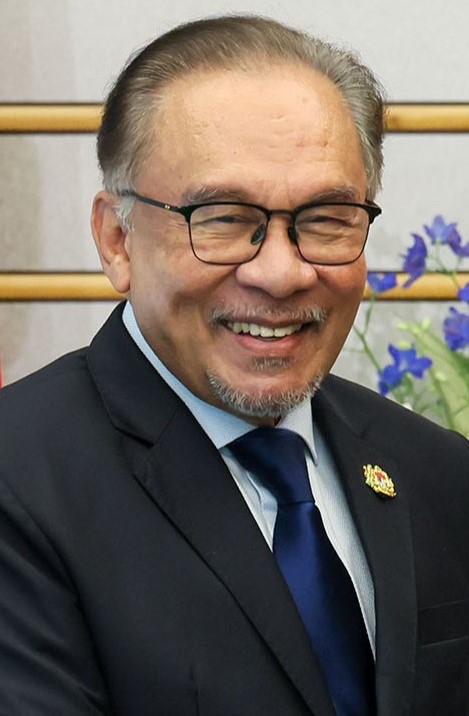
Senior political adviser to the prime minister, Tengku Datuk Seri Zafrul Tenguk Abdul Aziz, has signalled his intention to contest a parliamentary seat in Selangor during the 16th General Election (GE16), stepping into electoral politics after years operating within the prime ministerial machinery. The move represents a deliberate transition from backroom advisory roles to frontline representation, reflecting growing confidence in his political standing and electoral viability among party leadership in Malaysia's most developed state.
Tengku Zafrul's candidacy proposal carries particular significance given his proximity to the top echelons of government. As an influential figure within the prime minister's inner circle, his entry into electoral competition suggests confidence that he can translate administrative authority and policy influence into voter support. The timing of his announcement also reflects broader political positioning as various factions within the ruling coalition manoeuvre ahead of a general election that could reshape Malaysia's political landscape for the next five years.
Selangor, Malaysia's wealthiest and most populous state, represents strategically crucial territory for any national political force. The state has emerged as a highly competitive battleground in recent elections, with successive contests demonstrating volatile voting patterns and susceptibility to anti-incumbent sentiment. Tengku Zafrul's decision to target Selangor rather than a safer federal seat indicates either confidence in his personal appeal or recognition that capturing middle-class urban votes in the state offers maximum strategic value to the ruling coalition's broader electoral ambitions.
The proposal also underscores the continued influence of traditional elite networks in Malaysian politics. Tengku Zafrul, bearing a royal title and operating within established power structures, exemplifies the aristocratic cadre that has historically dominated political nomination processes. His move from advisory positions to electoral candidacy follows a well-worn path for talented administrators seeking broader political legitimacy and constituency-based power. Such transitions have become increasingly common as parties recognise the necessity of converting technical expertise and administrative prominence into grassroots support.
For party leadership, accommodating Tengku Zafrul's candidacy aspirations may offer multiple advantages. His profile and government experience could enhance the ruling coalition's appeal among educated, middle-income voters concerned with economic competence and stability. Furthermore, his background in policy formulation and economic management provides potential campaign messaging around expertise and administrative capacity, countering opposition narratives around governance failures or policy drift.
Yet his entry into electoral politics also carries inherent risks for both Tengku Zafrul and his party. Direct electoral competition exposes previously buffered political figures to voter judgment and accountability mechanisms unavailable to appointed officials. Selangor's complex political dynamics and diverse electorate mean that administrative competence and proximity to power may translate imperfectly into electoral success. Opposition coalitions have historically performed strongly in the state by mobilising urban voters against perceived corruption and governance shortcomings, challenges that personal political capital cannot entirely overcome.
The Selangor political environment presents particular complications for any ruling coalition candidate. The state has demonstrated remarkable willingness to change governments between elections, swinging from Barisan Nasional to Pakatan Rakyat control following the 2008 general election. Subsequent contests have produced narrow victory margins and intense three-way competition in many constituencies. Tengku Zafrul would operate within this volatile context, where long-established local networks and grassroots organisation often prove more decisive than national profiles or administrative credentials.
For Malaysian politics more broadly, Tenguk Zafrul's candidacy proposal reflects ongoing elite circulation within the ruling establishment. The 16th General Election will determine whether current power structures remain stable or undergo significant transformation. The participation of senior government figures like Tengku Zafrul signals the coalition's intent to field experienced, capable candidates capable of defending against increasingly organised opposition campaigns and navigating complex constituency-level dynamics.
His move also demonstrates how Malaysian political parties continue deploying senior officials and government-proximate figures in electoral campaigns, a practice that generates ongoing debate regarding the boundaries between administrative machinery and partisan politics. Critics argue such deployments represent unfair advantages, while supporters contend they simply reflect the necessity of fielding capable candidates. Tengku Zafrul's case exemplifies this enduring tension within the Malaysian political system as established figures transition between governmental and electoral spheres.
Political observers will monitor whether Tengku Zafrul's proposal receives formal party endorsement and candidate nomination. Such approval would confirm his standing within the ruling coalition's nomination hierarchy and signal confidence in his electoral prospects. Conversely, rejection or assignment to a different constituency might indicate either competitive pressure from other aspirants or party calculations regarding the optimal deployment of his political capital. The outcome will offer insights into contemporary nomination dynamics within Malaysia's dominant political coalition and the relative influence of different power networks within the ruling establishment.