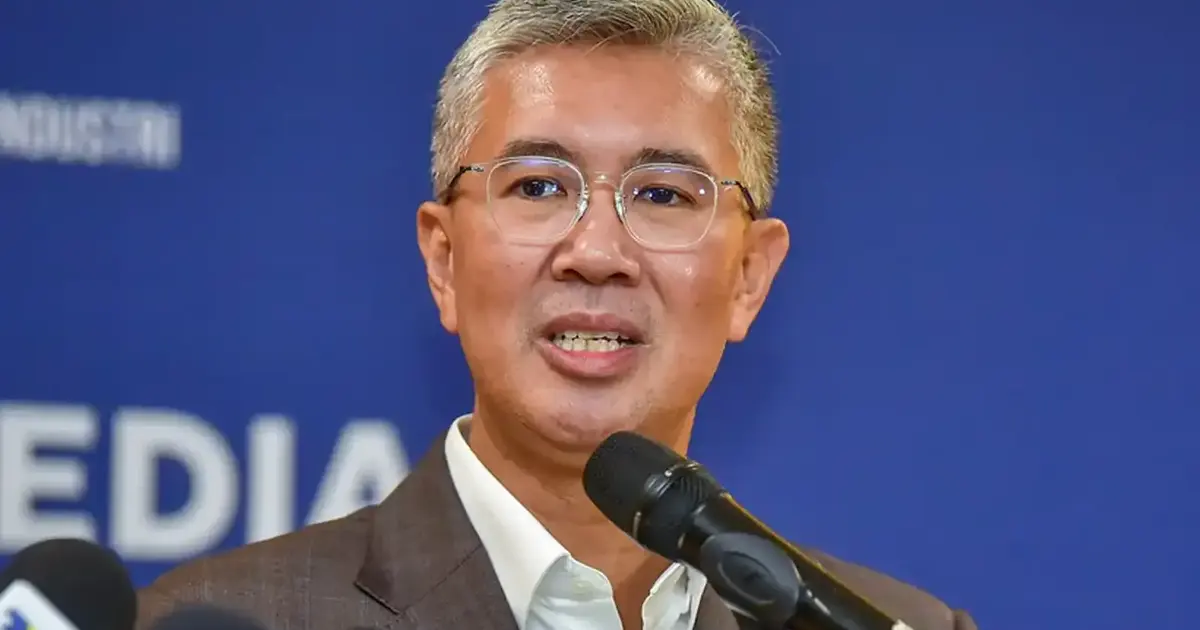
Tengku Zafrul is signalling fresh political ambitions, indicating keen interest in contesting a Selangor seat when Malaysia holds its sixteenth general election. The move would represent an attempt to reclaim a parliamentary presence after a disappointing outcome in the previous electoral cycle.
The former finance minister's parliamentary journey suffered a significant setback during GE15, when he contested the Kuala Selangor seat under the Umno banner but was defeated by Amanah vice-president Dzulkefly Ahmad. That loss marked a notable reversal for a senior figure who had held ministerial office and occupied prominent positions within the party hierarchy. Despite the setback, Tengku Zafrul has remained active in political discourse and party circles, positioning himself for potential opportunities in the forthcoming electoral contest.
His consideration of another Selangor seat reflects strategic thinking about regional political dynamics in Malaysia's most urbanised and economically significant state. Selangor has emerged as a key battleground in recent electoral cycles, with competition intensifying between Umno, PKR, and PAS-aligned candidates. The state's diverse demographics and swing-voter populations make parliamentary seats highly contestable, creating both opportunities and challenges for returning candidates.
The Kuala Selangor loss to Dzulkefly Ahmad occurred against the backdrop of significant shifts in voter sentiment during GE15. Amanah's performance in the state reflected broader trends favouring alternative coalitions, and Tengku Zafrul's defeat was emblematic of Umno's declining appeal in certain constituencies. Understanding these dynamics, any renewed campaign would require substantially different messaging and ground-level engagement strategies to succeed where previous efforts fell short.
Tengku Zafrul's ministerial background in finance provides potential policy advantages that could resonate with constituency concerns about economic management and fiscal responsibility. However, his tenure as finance minister occurred amid challenging economic conditions and policy controversies that remain fresh in public memory. How effectively he addresses these issues while emphasising future vision will significantly influence his electoral prospects.
The broader context involves Umno's ongoing repositioning within Malaysian politics. Following GE15's outcome, the party has navigated complex coalition dynamics and internal consolidation efforts. Senior figures like Tengku Zafrul represent the party's establishment wing, and their success or failure in future contests will signal whether Umno can rebuild support in crucial urban and suburban constituencies where it has weakened considerably.
Selangor's political landscape presents particular complexities for Umno candidates. The state has experienced sustained competition from PKR, which maintains substantial grassroots organisation and claims the mentri besar position through the Selangor government structure. Additionally, PAS has expanded its footprint in certain Selangor constituencies, further fragmenting the opposition vote. Any Umno candidate, including Tengku Zafrul, would need to navigate these competitive pressures while mobilising the party's traditional support base.
The timing of Tengku Zafrul's interest also merits consideration. With GE16 timing remaining uncertain, political strategists across parties are already evaluating candidate placement. Umno's selection process for parliamentary candidates will involve assessments of individual viability, regional balance, and coalition negotiations with its Barisan Nasional partners. Tengku Zafrul's profile ensures he would feature prominently in such discussions, though ultimately party leadership will determine candidacy.
For Malaysian voters observing leadership renewal and electoral competition, Tengku Zafrul's potential return represents broader themes of political resilience and redemption narratives. Many political figures pursue comeback strategies following electoral defeats, viewing setbacks as temporary obstacles rather than permanent disqualification. His willingness to contest again, particularly in a challenging regional context, demonstrates determination within Malaysia's competitive political environment.
The implications extend beyond individual ambition. How successfully senior Umno figures like Tengku Zafrul perform in future contests will influence the party's trajectory and its capacity to regain ground lost in recent elections. Selangor particularly matters—controlling parliamentary seats in Malaysia's economic engine has strategic significance for any ruling coalition. Tengku Zafrul's candidacy, should it materialise, would become a referendum on whether Umno's establishment can rebuild trust with urban and suburban voters.
Regionally, Malaysia's electoral dynamics continue receiving attention from Southeast Asian observers monitoring democratic processes and political competition standards. Leadership renewal patterns, candidate selection processes, and voter behaviour in major democracies like Malaysia provide broader perspectives on political evolution across the region. Tengku Zafrul's potential comeback campaign would contribute to these ongoing discussions about party adaptation and electoral strategy in contemporary Southeast Asia.