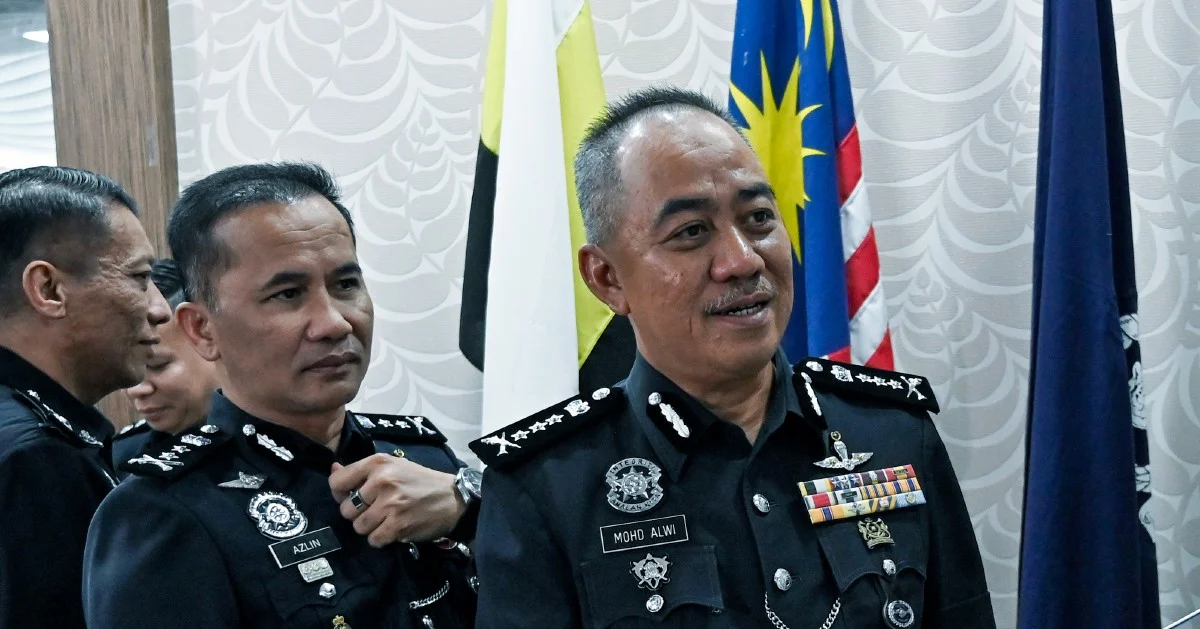
Police in Ipoh have apprehended three individuals suspected of involvement in a significant drug trafficking operation, with one of the detainees being a teenager aged just 17 years. The operation, conducted on Monday in the Pengkalan Tiara area, culminated in the dismantling of what authorities believe was an organised narcotics distribution network. The combined street value of confiscated substances has been estimated at RM120,050, marking another substantial seizure in the Perak capital's ongoing fight against illicit drug manufacturing and distribution.
The bust represents part of a broader pattern of youth involvement in Malaysia's drug economy that has concerned law enforcement agencies and public health officials across the region. The participation of a minor in trafficking operations underscores how criminal syndicates continue to exploit younger individuals, often through coercion, peer pressure, or financial desperation. This particular case echoes similar incidents documented in major urban centres including Kuala Lumpur, Petaling Jaya, and George Town, where teenagers have increasingly become visible actors within supply chains rather than merely end consumers.
The substances recovered during the Pengkalan Tiara operation comprised two distinct drug categories commonly encountered in Malaysian seizures. Ketamine, a veterinary and pharmaceutical anaesthetic, has become prevalent in recreational drug markets throughout Southeast Asia, valued for its dissociative effects and relative availability compared to controlled narcotics. Erimin 5, the street name for flunitrazepam, represents a particularly concerning depressant compound that has featured prominently in drug-facilitated crimes and carries substantial public health risks. Both substances fall under Schedule II of Malaysia's Dangerous Drugs Act, carrying severe penalties upon conviction.
The geographical location of the operation, Pengkalan Tiara, positions this seizure within Ipoh's broader drug trafficking landscape. The district has previously featured in significant narcotics operations, suggesting established distribution networks continue functioning despite periodic enforcement interventions. Transport connectivity in the area, with routes linking to Kuala Lumpur and other peninsular states, may facilitate movement of drug supplies through the region. Understanding these geographical patterns helps authorities predict trafficking corridors and allocate interdiction resources more effectively.
The circumstances surrounding how police identified and infiltrated this particular syndicate remain relevant to assessing enforcement effectiveness. Intelligence-led operations, community tip-offs, and surveillance work typically precede major busts of this magnitude. The involvement of a teenager raises questions about recruitment mechanisms and oversight failures that allowed such a young individual to become enmeshed in trafficking activities. Rehabilitation prospects for juvenile detainees differ markedly from adult offenders, and Malaysia's court system recognises this distinction through separate juvenile justice procedures intended to emphasise reform alongside punishment.
From a broader regional perspective, this Ipoh case illustrates persistent challenges facing Southeast Asian governments attempting to combat synthetic drug manufacturing and distribution. Ketamine and flunitrazepam are not typically produced domestically at industrial scale; instead, supply routes typically originate from pharmaceutical diversion, clandestine laboratories in neighbouring jurisdictions, or trafficking networks spanning multiple countries. The relatively low detection rates compared to estimated consumption levels suggest significant quantities continue transiting undetected through ports, borders, and internal checkpoints throughout Malaysia.
The operation also reflects evolution in drug trafficking tactics adapted to domestic law enforcement capabilities. Smaller cell structures, employment of younger operatives, and distribution through multiple nodes rather than centralised depots help traffickers mitigate risks associated with single-point enforcement actions. Police responses necessarily become more intelligence-intensive and resource-demanding when confronting networks structured this way, placing considerable strain on already-stretched drug enforcement budgets across Malaysian police agencies.
For Malaysian parents and educators, cases involving teenage detainees in trafficking operations should prompt renewed vigilance regarding substance abuse prevention messaging. The presence of a 17-year-old in a distribution network suggests concerning accessibility of these substances within youth populations, whether through peer networks, online connections, or opportunistic street-level dealers. Educational institutions increasingly incorporate drug awareness programmes, yet efficacy remains mixed when competing against economic incentives and social pressures that make trafficking attractive to financially vulnerable young people.
The consequences of conviction under Malaysia's Dangerous Drugs Act carry lifelong implications extending far beyond incarceration periods. Criminal records severely restrict future employment, travel, professional licensing, and social reintegration prospects. These collateral consequences prove especially severe for juveniles whose formative years and career trajectories become permanently marked by early trafficking involvement. Rehabilitation-focused interventions during juvenile detention phases may offer pathways toward eventual productive reintegration, though success rates depend heavily on individual circumstances and family support systems.
Moving forward, this bust contributes to the broader statistical picture of drug enforcement performance that Malaysian authorities track and report quarterly. Seizure values and detainee numbers provide headline figures for public consumption, yet deeper analysis examining trafficking patterns, consumption trends, and network structures reveals more sophisticated understanding of how these markets actually function. For Malaysian policymakers seeking to address drug-related crime, understanding recruitment mechanisms and the particular vulnerabilities that draw teenagers into trafficking operations remains essential for developing preventative strategies that move beyond pure enforcement.

