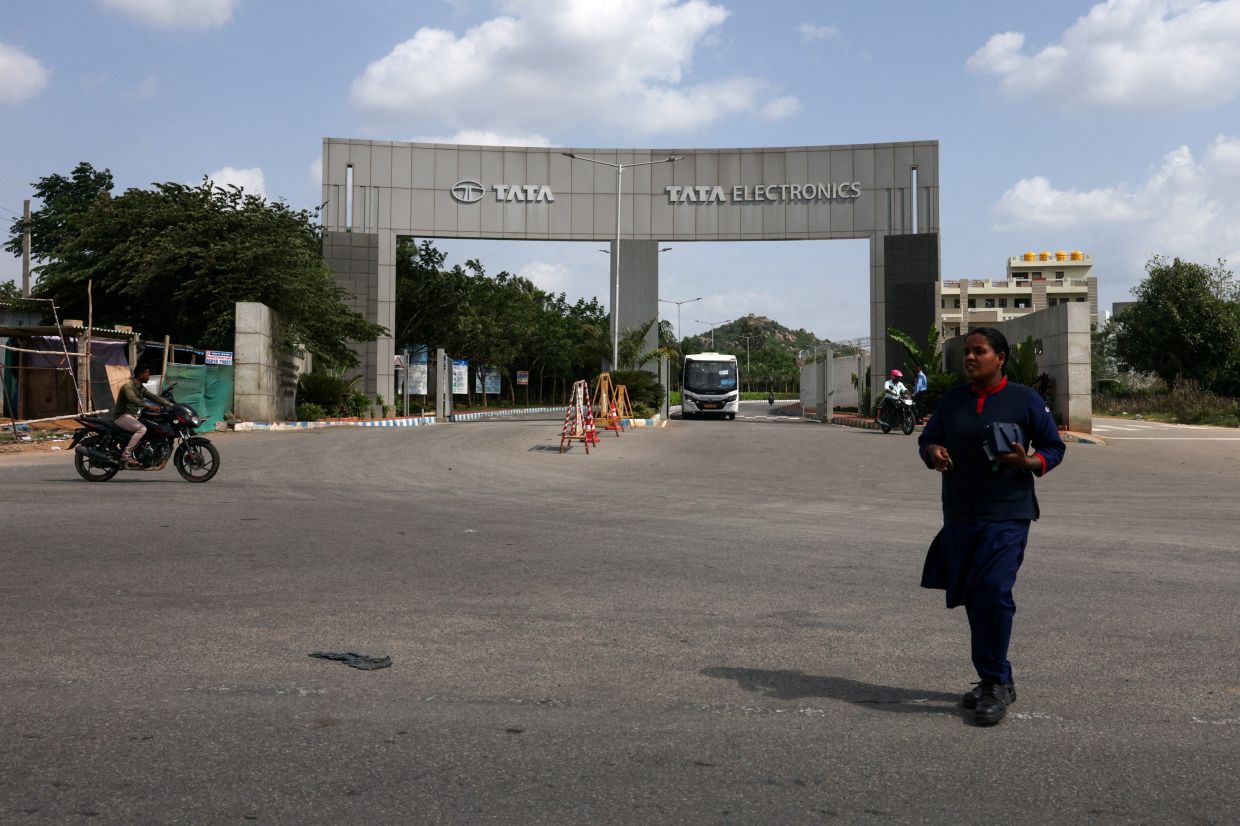
Tata Electronics, a cornerstone of Apple's iPhone manufacturing expansion in India, acknowledged on Monday a significant cybersecurity breach involving what researchers say are over 200,000 proprietary files belonging to both Apple and Tesla posted on the dark web by the ransomware group World Leaks. The incident represents a serious vulnerability in global supply chain security and threatens India's emerging role as an alternative manufacturing hub outside China, even as New Delhi pursues ambitious technology industry growth targets.
The Indian conglomerate detected the breach weeks before public disclosure and activated its response protocols immediately, with company officials insisting that operational continuity across all business units remained unaffected. However, the scale of the alleged data exposure appears substantial, with security researchers confirming that World Leaks has made available approximately 630 gigabytes of files originating from the manufacturer's systems. The breach also triggered a ransom demand, according to individuals briefed on the incident, though neither Tata nor Apple has disclosed the requested amount.
Apple, whose supply chain diversification into India has become critical to reducing manufacturing dependence on China, is currently investigating the full scope of what may have been compromised. Among the purported materials visible in the leaked database are quality inspection standards for iPhone circuit board components, employee records including passport information for foreign nationals, and communications spanning multiple years in the form of emails and system logs. The presence of 33 files and folders specifically tagged with "Hosur"—the location of Tata's principal iPhone assembly facility in Tamil Nadu state—suggests the breach may have directly targeted Tata's primary Apple manufacturing operations.
For Tesla, the implications appear equally serious. Industry sources confirm that Tata manufactures components for the electric vehicle manufacturer, and researchers identifying materials in the leaked database point to what appear to be specifications for a "NV36 Chargeport Controller" used in upgraded Model Y variants. Additional documents carry Tesla's own trade secret markings and reference "Project Highland," Tesla's internal codename for a significantly revised Model 3 sedan scheduled for later release. An assembly document within the leaked files is dated May 2025, suggesting attackers obtained material related to Tesla's forward-looking product roadmap.
The cyber incident arrives at a particularly sensitive moment for Tata's Apple partnership. The manufacturer is simultaneously facing environmental scrutiny regarding alleged soil contamination near its iPhone production facilities, compounding reputational pressures just as it strives to deepen its role in India's drive to become a global electronics manufacturing centre under Prime Minister Narendra Modi's strategic vision. Tata currently produces approximately one-third of Apple's iPhones manufactured in India, with Foxconn holding the remaining share, making this partnership economically significant for both parties.
This breach marks the second major cyberattack to strike Tata's operations in recent years. In the previous year, Tata's British automotive division Jaguar Land Rover suffered a significant ransomware attack that halted production for six weeks, demonstrating a pattern of vulnerability across the conglomerate's technology infrastructure despite its scale and resources. The recurring incidents suggest systemic security weaknesses that extend beyond isolated lapses to potentially structural deficiencies in enterprise-level protection mechanisms.
World Leaks, the ransomware group claiming responsibility, has previously targeted multinational corporations including Nike, establishing itself as an active threat operator willing to publicly disclose stolen data through dark web channels. The group's choice to publicly distribute Tata's files rather than negotiate privately signals either a breakdown in extortion negotiations or a deliberate strategy to maximize reputational damage. Security researchers including Rajshekhar Rajaharia, who has previously consulted with Indian law enforcement on cyber incidents, have confirmed they reviewed portions of the leaked database and verified its accessibility on dark web networks since at least June 10.
The authenticity of the leaked materials remains unverified by major news organisations, though the presence of official proprietary markings and highly technical specifications suggests credibility. Researchers discovered that searches for "Apple" within the World Leaks database returned 181 files and folders, while searches for "Tesla" yielded manufacturing specifications and assembly documentation. The documents carry footer text explicitly identifying them as containing "proprietary and confidential information" and trade secrets of both companies, strengthening indications that sensitive intellectual property has been compromised.
Tata disclosed the breach to some employees working at its iPhone assembly operations in the preceding week, according to industry sources, suggesting that internal acknowledgment of the incident preceded public announcement. India's Computer Emergency Response Team, the government authority responsible for coordinating national cyber incident response, did not immediately respond to inquiries about the breach or any ongoing investigation, leaving questions about official oversight and government coordination unanswered.
The breach underscores the mounting sophistication of contemporary ransomware operations and the difficulty multinational technology companies face in securing their global supply chains against determined threat actors. As Apple continues reshoring manufacturing capacity from China and Tesla expands its sourcing networks beyond traditional partners, both companies face escalating security requirements across unfamiliar supplier ecosystems. For India, which views electronics manufacturing as an engine of economic development and employment, the incident raises difficult questions about whether adequate cybersecurity infrastructure and expertise exist to protect the advanced manufacturing operations that multinational companies increasingly wish to establish within the country.
The incident also reflects broader geopolitical manufacturing trends. India's competitive advantage in attracting electronics production rests partly on labour cost advantages and government incentives, but supply chain security is emerging as a critical factor in corporate location decisions. Companies must now weigh cost and geopolitical benefits against cyber risks that may be higher in developing economies with less mature threat detection and prevention systems. This breach may therefore influence not just Apple and Tesla's risk calculations, but broader decisions by technology companies considering India as an alternative to established manufacturing hubs, potentially affecting Prime Minister Modi's industrial ambitions.

