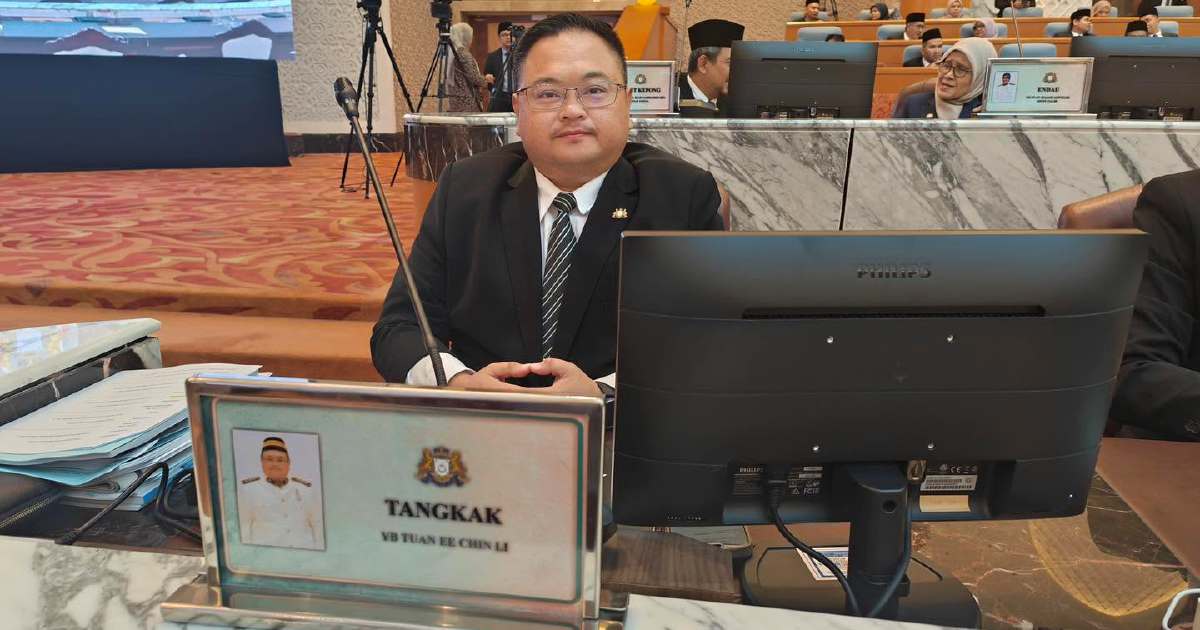
The small state constituency of Tangkak is shaping up as a significant contest in Johor's upcoming elections, with both major political coalitions fielding strong candidates in what promises to be a straight fight for control of the seat. Barisan Nasional has nominated How Chin Teck to challenge the incumbent Ee Chin Li, who represents Pakatan Harapan. The July 11 voting date means campaigning in Johor will enter its most intensive phase in the coming weeks as voters in Tangkak and across the state prepare to make their electoral choices.
Tangkak, a constituency that encompasses part of the Johor landscape, has emerged as a potential bellwether for broader political trends in the state. The direct contest between BN and PH reflects the broader two-coalition framework that has dominated Malaysian electoral politics since the 2018 general election. With no additional contenders expected from other quarters, the race will likely turn on local issues, candidate appeal, and the varying fortunes of the two coalitions at state and national levels.
Ee Chin Li's incumbency carries both advantages and vulnerabilities. As the sitting representative, the Pakatan Harapan candidate can point to constituency projects and legislative work accomplished during the current term, though such records are always subject to voter interpretation regarding effectiveness and relevance. The outgoing member will need to mobilise the PH support base while attempting to win over swing voters who may harbour concerns about either coalition's performance in office.
How Chin Teck's candidacy represents Barisan Nasional's effort to recapture ground or consolidate existing support in the constituency. The BN coalition has been rebuilding its political machinery in Johor following setbacks in previous elections, and the nomination in Tangkak suggests party strategists view the seat as winnable or worth defending. The Barisan candidate will likely emphasise continuity with BN's longstanding role in Johor governance and appeal to voters on bread-and-butter economic issues.
The timing of the Johor state election reflects a deliberate political calculation by state leadership, with July 11 chosen to coincide with the monsoon season's lighter period. However, the election date also falls during a critical moment in Malaysian politics, with the nation navigating economic challenges including inflation pressures and concerns about youth employment. These macro conditions will inevitably colour local campaigning across all constituencies, including Tangkak.
For regional observers, the Johor state election carries wider significance. As Malaysia's second-largest state by population and economy, Johor has long been considered a political bellwether for the nation as a whole. Results in constituencies like Tangkak will be scrutinised for signs of voter sentiment regarding coalition performance, with any significant swings potentially foreshadowing national political realignments ahead of future general elections.
The constituency itself reflects demographic patterns common across many Malaysian state seats. Tangkak encompasses urban and semi-urban areas alongside more rural sections, creating an electorate with diverse economic interests ranging from commerce and light manufacturing to agriculture. This mix means candidates must craft messaging that appeals across occupational and income groups, a balancing act that often determines electoral outcomes in such constituencies.
Both coalitions have invested heavily in their state-level machinery in Johor, recognising the state's political importance. Pakatan Harapan will seek to demonstrate that its tenure has delivered tangible benefits to Tangkak voters, while Barisan Nasional will attempt to position itself as a more stable, experienced alternative. The ground campaign promises to be intense, with both camps deploying significant resources to secure victory in every available seat.
The absence of other party candidates in Tangkak streamlines voter choice in one sense but also concentrates campaign attention on the two frontrunners. Swing voters, particularly those who have supported different coalitions in different election cycles, will represent the crucial battleground. Both Ee Chin Li and How Chin Teck will compete vigorously to attract these pivotal voters through local engagement, door-to-door canvassing, and the strategic use of campaign messaging.
As campaigning intensifies ahead of July 11, the Tangkak race exemplifies how state elections in Malaysia operate as contests defined by local dynamics while remaining thoroughly enmeshed in broader national political currents. The outcome will tell observers much about the state of competition between BN and PH in Johor, one of the nation's most closely watched political battlegrounds.

