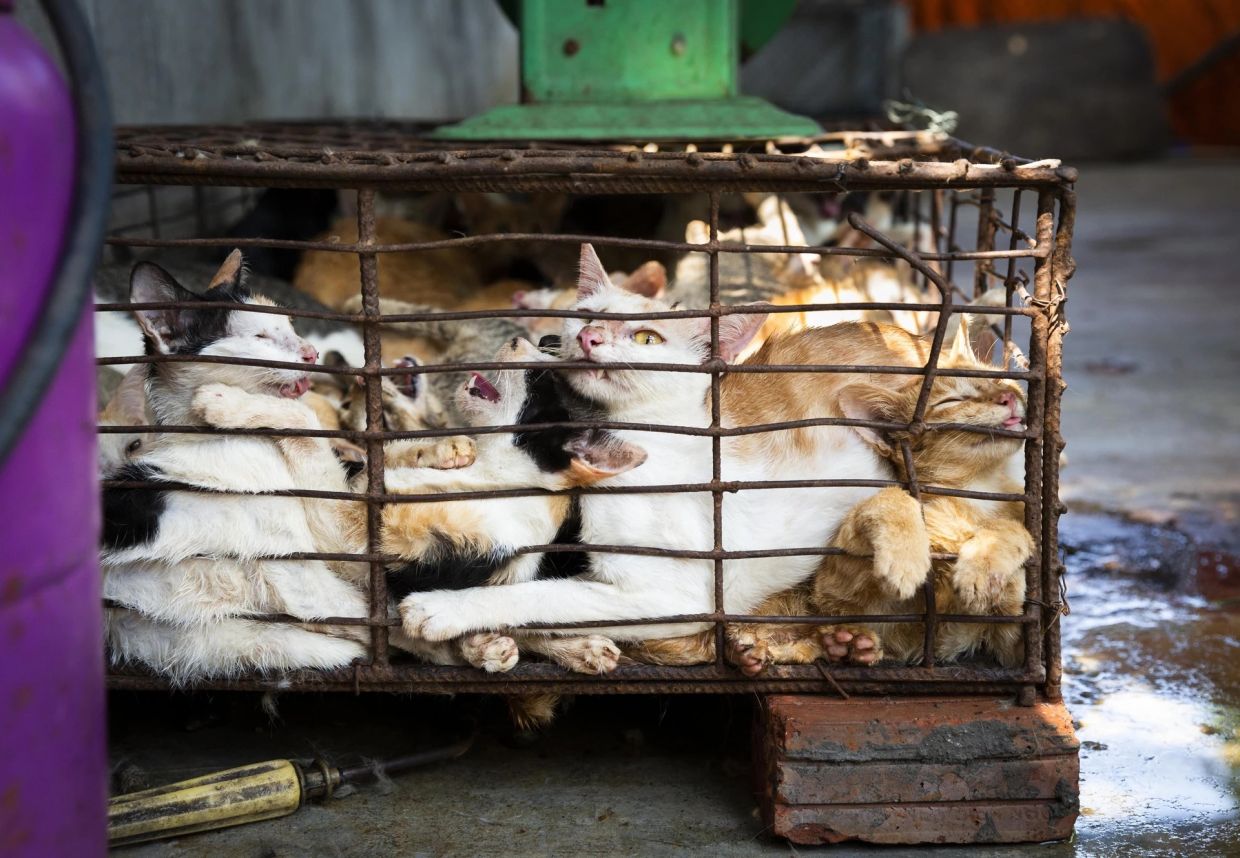
A hidden but persistent trade in cat meat continues to thrive across Indochina, fuelled by deeply embedded cultural superstitions that link feline consumption to good luck and medicinal healing. Global animal welfare organisation FOUR PAWS has documented this underground market, estimating that approximately one million cats meet brutal deaths each year in Vietnam alone, with additional unreported killings occurring in remote areas of Cambodia and Laos. The practice remains largely hidden from public view, operating through networks of traffickers who steal cats from homes and streets before moving them through supply chains that culminate in slaughter for local consumption.
The demand for cat meat stems primarily from traditional beliefs rather than dietary necessity. In Vietnamese culture, cats are sometimes consumed during specific phases of the lunar calendar with the belief that eating them can reverse periods of misfortune or attract positive change. Some consumers attribute medicinal properties to cat meat, viewing it as a remedy for various ailments despite the absence of scientific evidence. Jon Rosen Bennett, who directs dog and cat welfare initiatives at FOUR PAWS, explains that these superstitions have created a market that persists despite decades of awareness campaigns launched by both regional governments and international animal protection groups. The term "little tigers" used colloquially in Vietnam reveals the cultural mystique surrounding the animals, with black cats commanding premium prices due to beliefs about their alleged luck-bringing or healing properties.
Market investigations conducted by FOUR PAWS in 2020 revealed the economic mechanics of this trade. Live cats were typically priced between US$6 and US$8 per kilogramme, while processed cat meat commanded US$10 to US$12 per kilogramme. The price differential reflects the labour and processing involved, while the premium attached to black cats demonstrates how superstitious beliefs directly influence commercial value within the supply chain. These relatively modest prices suggest the trade operates at a large scale to generate meaningful revenue, explaining why traffickers continue to steal cats despite growing legal and social pressure against the practice.
Recent enforcement actions have exposed the scale of organised trafficking networks. In Ho Chi Minh City last week, local police dismantled a smuggling operation that had stolen and sold cats across provincial boundaries over a three-year period. Officers rescued approximately 500 cats during the raid and detained nine gang members for their roles in the scheme. This operation illustrates how cat trafficking has evolved into an organised criminal activity rather than remaining an isolated cultural practice, with networks specifically dedicated to theft, transportation, and illegal sales across regional borders.
Despite the widespread nature of the trade, legal prohibitions remain minimal or non-existent. Vietnam has not implemented a nationwide ban on cat slaughter, sale, or consumption, creating a legal vacuum that allows the trade to operate with relative impunity. This absence of legislation stands in stark contrast to public sentiment, which has shifted decisively against the practice. According to FOUR PAWS surveys, approximately ninety percent of Vietnamese respondents expressed support for banning the dog and cat meat trade entirely. Moreover, more than ninety percent of those surveyed rejected the notion that eating cat meat constitutes a legitimate part of Vietnamese cultural identity, suggesting that the trade persists despite rather than because of mainstream social values.
This disconnect between public opinion and market reality raises important questions about enforcement and cultural resistance. The overwhelming disapproval suggests that legal reform would face minimal domestic opposition, yet authorities have been slow to enact comprehensive prohibitions. Bennett notes that public education has achieved significant attitudinal change, with most regional residents rejecting the trade on ethical grounds. However, converting this sentiment into effective legal restriction and enforcement remains challenging, particularly in remote areas where traditional beliefs retain stronger cultural currency and enforcement capacity is limited.
Beyond animal welfare concerns, the cat meat trade poses serious public health risks that extend far beyond those directly involved in slaughter or consumption. The unmonitored, undocumented movement of live cats across borders creates ideal conditions for the transmission of zoonotic diseases including rabies. The stress, poor sanitation, and crowding associated with trafficking operations amplify disease transmission risks, potentially creating pathways for animal pathogens to jump to human populations. Bennett emphasises that the regional scale of the trade multiplies these dangers, transforming localised slaughter practices into transnational public health concerns that threaten not only participating communities but the broader region.
Cat meat represents only a portion of a broader Indochinese problem involving companion animal consumption. Animal welfare researchers estimate that more than ten million dogs are slaughtered for meat annually across Southeast Asia, a scale that dwarfs the cat trade while reflecting similar patterns of trafficking, superstition, and cultural tradition. Like cats, dogs involved in this trade experience extreme suffering throughout capture, transport, and slaughter phases. However, public opposition to dog meat consumption has intensified more rapidly in certain Southeast Asian societies, where changing attitudes toward companion animals as pets rather than livestock has undermined traditional justifications for the trade.
International advocacy organisations have launched coordinated campaigns to address the problem through awareness-building and reporting mechanisms. FOUR PAWS established an online platform in June specifically designed for reporting suspected cat trafficking activities in Cambodia, extending its investigative reach while mobilising community participation in enforcement. Such initiatives reflect recognition that effective intervention requires both legal reform and grassroots engagement with local populations. The reporting platform serves dual purposes, creating deterrence for traffickers while simultaneously building public consciousness about the scope and methods of organised cat theft.
The persistence of cat meat trade despite public opposition underscores the gap between stated values and market incentives, particularly in contexts where enforcement capacity remains weak and cultural traditions maintain social momentum. Regional governments face pressure to align legislation with demonstrated public preferences, yet enforcement of any prospective ban would require significant investment in border controls, veterinary investigation, and community monitoring. Malaysia and other regional actors have opportunities to support neighbouring countries in developing comprehensive legal frameworks and enforcement mechanisms that reflect the clearly expressed preferences of their own populations against companion animal consumption.

