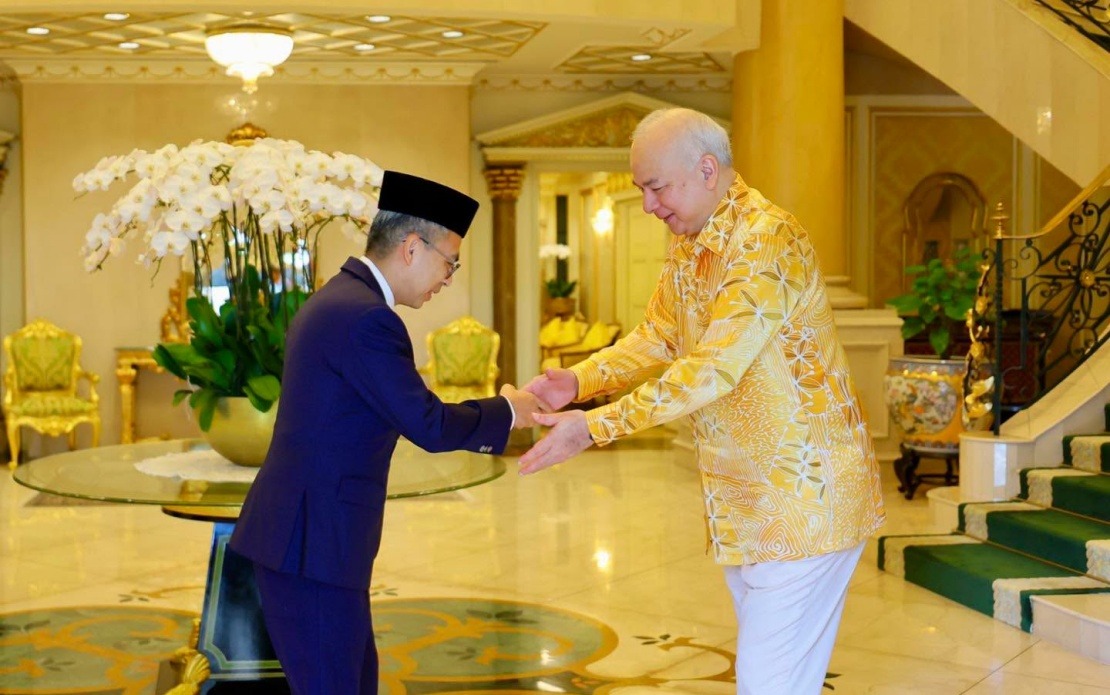
The Sultan of Perak, Sultan Nazrin Shah, has received a comprehensive briefing from the federal government on its strategic initiatives to bolster communication infrastructure throughout the state and broaden the reach of digital services to underserved communities. Communications Minister Datuk Fahmi Fadzil delivered the update during an official audience held recently in Kuala Lumpur, detailing Malaysia's broader telecommunications modernisation programme and how Perak fits within this national framework.
During the formal engagement, Fahmi outlined the government's multifaceted approach to closing connectivity gaps that have historically affected rural and semi-urban areas in Perak. The briefing encompassed plans to expand broadband coverage, improve network quality, and ensure that telecommunications infrastructure keeps pace with the state's economic development needs. Such initiatives are particularly significant for Perak, which houses important industrial zones and a growing population that increasingly depends on reliable digital connectivity for commerce, education, and essential services.
Beyond mere infrastructure expansion, the audience also highlighted the government's commitment to online safety—a dimension of digital development that has gained urgency as Malaysians' reliance on internet services deepens across all demographics. Sultan Nazrin's particular interest in this aspect underscores how digital security concerns now rank alongside physical infrastructure as priority governance issues. The briefing likely addressed cybersecurity measures, protections for vulnerable internet users, and regulatory frameworks designed to create a safer digital environment for Perak residents.
Fahmi's decision to seek an audience with Perak's ruler demonstrates the government's recognition that state-level monarchs play a vital role in validating and championing development initiatives at the state level. By securing royal awareness and endorsement of these infrastructure programmes, the Communications Ministry signals its commitment to collaborative federalism and ensures that Perak's traditional leadership is positioned to support and monitor progress on these strategic investments.
The timing of this briefing reflects broader national conversations about Malaysia's digital readiness. As the country aspires to achieve higher-income status and position itself as a regional technology hub, the quality of telecommunications infrastructure across all states becomes critical. Perak, with its mix of urban centres and rural districts, represents a microcosm of Malaysia's connectivity challenges. The state's experience in expanding broadband coverage and digital services can yield lessons applicable to other regions facing similar obstacles.
Infrastructure development in communications carries significant economic implications for Perak. Enhanced connectivity attracts technology-based enterprises, enables businesses to scale operations beyond geographical constraints, and improves workforce productivity. For a state traditionally dependent on mining, agriculture, and manufacturing, digital infrastructure investment diversifies the economic base and creates pathways for knowledge-intensive industries. The government's push for service expansion thus extends beyond regulatory compliance or technological modernisation—it represents an economic development strategy.
Online safety initiatives mentioned in the briefing address genuine vulnerabilities facing Malaysian users. Fraud, identity theft, and exploitation through digital channels disproportionately affect less digitally literate populations, including seniors and small business operators. By prioritising this aspect during discussions with state leadership, the government acknowledges that infrastructure expansion must be matched by consumer protection frameworks and digital literacy programmes. This holistic approach to digital development reflects mature governance thinking that recognises technology's double-edged nature.
Fahmi's subsequent public remarks expressing prayers for the Sultan's wellbeing and that of the broader Perak Royal Family maintain the ceremonial dimension of such engagements while reinforcing the collaborative spirit underpinning centre-state relations. In Malaysia's federal structure, such courtesies are not mere formality but essential elements of the constitutional arrangement and the consultation process through which major policy initiatives gain legitimacy and local support.
For Malaysian business communities and telecommunications stakeholders, these initiatives signal government direction and potential investment opportunities in network expansion, digital security solutions, and related services. Companies operating in the telecoms and technology sectors may find avenues to partner with government programmes aimed at achieving coverage and safety objectives. The briefing thus serves dual purposes: acknowledging royal oversight while communicating policy direction to private sector actors who will ultimately implement many of these infrastructure enhancements.
Moving forward, the success of these Perak-focused initiatives will depend on sustained funding, technical coordination between federal and state authorities, and engagement with telecommunications operators. The government's apparent commitment to updating state leadership on progress demonstrates an understanding that transparent communication about infrastructure development builds public confidence and secures political support for the substantial investments required. As Malaysia continues its digital transformation journey, such briefings represent the governance infrastructure necessary to translate policy into reality across the federation.

