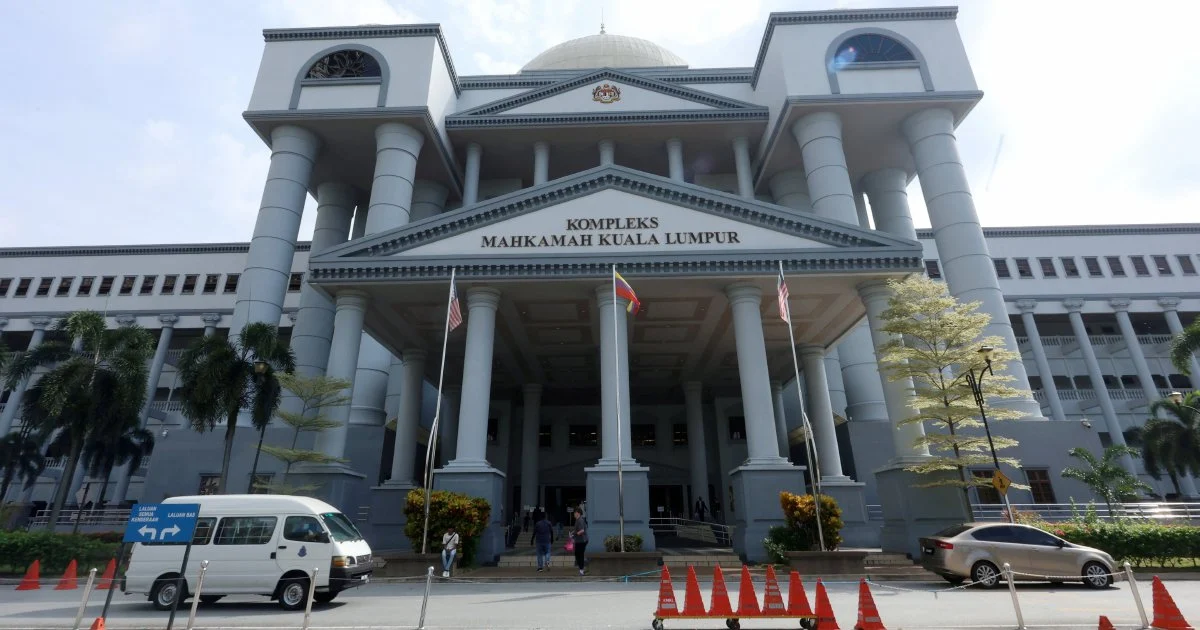
A high-ranking executive heading a statutory body is set to make an appearance before the Sessions Court in Kuala Lumpur today to answer seven separate charges of graft. The allegations centre on his purported solicitation and acceptance of bribes valued at more than RM1 million, a sum that underscores the scale of the suspected misconduct within the public sector.
The prosecution's case appears to focus on the individual's conduct in relation to sports facility projects, suggesting a pattern of corrupt practices that may have compromised the integrity of public procurement and development processes. The involvement of a chief executive officer in such allegations raises serious questions about governance standards and oversight mechanisms within Malaysia's statutory bodies, which are expected to operate with transparency and in the public interest.
Statutory bodies occupy a crucial position within Malaysia's administrative structure, managing critical functions ranging from infrastructure to social services. When leadership figures at this level face corruption allegations, the implications extend beyond individual culpability to encompass broader institutional credibility. The scale of the alleged bribes—exceeding RM1 million—suggests that the suspected wrongdoing involved substantial financial transactions rather than isolated incidents of misconduct.
The charges appear to relate to sports facility contracts, a sector where public investment has grown significantly across Malaysia and Southeast Asia. Such projects often represent substantial allocations of public resources and frequently involve multiple stakeholders, including contractors, consultants, and government agencies. When corruption infiltrates these processes, it not only diverts funds intended for legitimate development but also compromises the quality and integrity of infrastructure that serves communities.
The Malaysian Anti-Corruption Commission has maintained an elevated enforcement posture in recent years, pursuing cases across the public and private sectors. The willingness to prosecute senior figures demonstrates the agency's commitment to holding leadership accountable, regardless of rank or position. However, each prosecution also highlights systemic vulnerabilities that allowed such misconduct to occur undetected for what may have been an extended period.
For Malaysian citizens and observers of public administration, such cases underscore the importance of robust internal controls, whistleblower protections, and transparent procurement practices. The alleged conduct represents a breach of the fiduciary duty that public sector leaders owe to the nation and the taxpayers whose funds support statutory bodies. The extent to which these institutions can effectively police themselves, or require external oversight, remains an ongoing question for policymakers.
The charges themselves—seven in total—suggest that prosecutors have identified multiple distinct instances of wrongdoing rather than treating this as a singular lapse in judgment. This approach reflects a more granular investigation that has assembled evidence to substantiate separate acts of solicitation or acceptance of corrupt payments. The multiplicity of charges typically indicates that investigators believe they have constructed distinct cases, each meeting the evidential threshold required for prosecution.
Public perception of Malaysia's statutory bodies and the broader public service is inevitably affected by high-profile corruption cases. While individual misconduct does not necessarily reflect systemic failure, the cumulative effect of such prosecutions shapes public confidence in institutions tasked with managing national resources. Conversely, the visible pursuit of such cases through the courts can reinforce the message that corruption at any level will face legal consequences.
The sports sector, in particular, has attracted increasing attention from anti-corruption authorities. Investment in sports infrastructure and facilities often involves significant public expenditure, and the discretionary nature of many decisions in this area—from location selection to contractor procurement—creates opportunities for corrupt practice. Officials may be tempted to extract payments in exchange for awarding contracts or approving funding, or for facilitating access to facilities and resources controlled by statutory bodies.
The Sessions Court proceedings will provide an opportunity to examine the evidence underpinning these allegations through Malaysia's judicial system. The standard of proof required in criminal cases—guilt beyond reasonable doubt—ensures that convictions rest on solid evidentiary foundations. The case will also serve as a barometer of how effectively the anti-corruption infrastructure within Malaysia functions to investigate, prosecute, and adjudicate such matters.
For stakeholders within Malaysia's sports industry, statutory bodies, and the broader public sector, this case carries lessons about governance, accountability, and the costs of misconduct. It reinforces the expectation that those entrusted with public office and resources must maintain the highest standards of integrity. The proceedings will be closely watched by colleagues within the civil service, contractors and consultants who engage with statutory bodies, and citizens invested in effective governance.