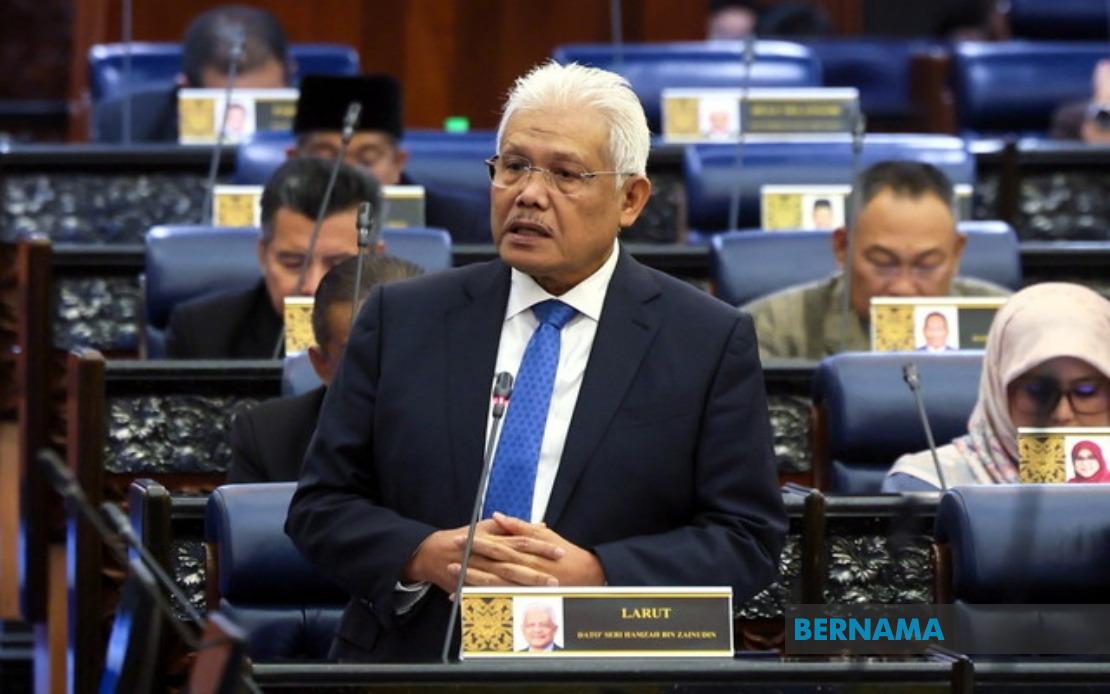
Dewan Rakyat Speaker Tan Sri Johari Abdul has formally confirmed that Larut MP Datuk Seri Hamzah Zainudin has returned to his position as Opposition Leader, resuming the role on June 18 after a temporary interregnum. The Speaker made the announcement during opening remarks at Oral Question Time on June 22, clarifying the leadership transitions that have occurred within the opposition benches over recent weeks.
According to Johari's statement, the timeline of these shifts reveals a nuanced period of institutional adjustment. Hamzah was initially recognised as Opposition Leader from May 20, 2026, a designation that reflected the composition of parliamentary alignments at that time. This initial appointment, however, proved to be short-lived as circumstances within the opposition coalition prompted a change in leadership representation.
The interim period saw Kemaman MP Datuk Seri Dr Ahmad Samsuri Mokhtar assume the Opposition Leader portfolio from May 21 through June 10. During this three-week window, Mokhtar represented the opposition grouping in parliamentary proceedings and maintained the formal responsibilities that accompany the position. The Speaker took occasion to publicly acknowledge Mokhtar's service during this transitional phase, recognising his contribution to the role despite its temporary nature.
Hamzah's return to the position on June 18 suggests a resolution of whatever political or organisational dynamics had prompted the shift to Mokhtar in the first place. The restoration of his leadership indicates either a consolidation of support within the opposition ranks or a resolution of internal disagreements that may have necessitated the temporary change. For parliamentary observers, such transitions often signal broader shifts in coalition dynamics or strategic recalibrations within opposition groupings.
The formal announcement through the Speaker's office underscores the constitutional and procedural importance of the Opposition Leader role. Under Standing Order 4A(3) of the Dewan Rakyat Standing Orders, the Speaker bears responsibility for recognising and announcing the individual holding this position. The role carries both symbolic and practical significance, granting the holder certain privileges in parliamentary proceedings, including priority in questioning and speaking opportunities.
In a related development announced simultaneously, the Speaker confirmed that two parliamentary seats have fallen vacant following the resignations of their representatives. Pandan MP Datuk Seri Rafizi Ramli and Setiawangsa MP Nik Nazmi Nik Ahmad both submitted letters relinquishing their memberships in Parliament on May 18. Both had been members of the opposition coalition, making their departures potentially significant for the overall balance of forces within Parliament.
The Speaker's notification to the Election Commission regarding these vacancies follows constitutional procedure outlined in Article 54(1) of the Federal Constitution. This formal step initiates the machinery for holding by-elections in both constituencies, a process that will unfold over the coming months. By-elections represent opportunities for parties to mobilise supporters and test voter sentiment, and the timing of these contests in Pandan and Setiawangsa will merit close attention from political analysts.
For Malaysian readers, these parliamentary developments carry implications for the broader political landscape. The opposition's internal management of its leadership—as evidenced by the transition between Hamzah and Mokhtar—reflects the ongoing challenges faced by non-government coalitions in maintaining unity and clear representation. The simultaneous departure of two opposition MPs adds further dimension to questions about cohesion and stability within the broader opposition movement.
The forthcoming by-elections in Pandan and Setiawangsa will provide voters in these constituencies with the opportunity to influence parliamentary composition. Pandan, located in Kuala Lumpur's affluent suburbs, and Setiawangsa, situated in the Kuala Lumpur-Selangor corridor, represent demographically distinct areas. The results will offer insights into current voter preferences and may influence calculations regarding broader electoral prospects ahead.
These parliamentary mechanics—leadership transitions, seat vacancies, and by-election procedures—constitute the routine functioning of Westminster-style democracy as practised in Malaysia. Yet they also illuminate the complex interplay between formal constitutional procedures and the political forces that drive actual governance. Johari's statements provide a clear institutional record of these developments, ensuring transparency in parliamentary proceedings and maintaining public understanding of how parliamentary business unfolds.

