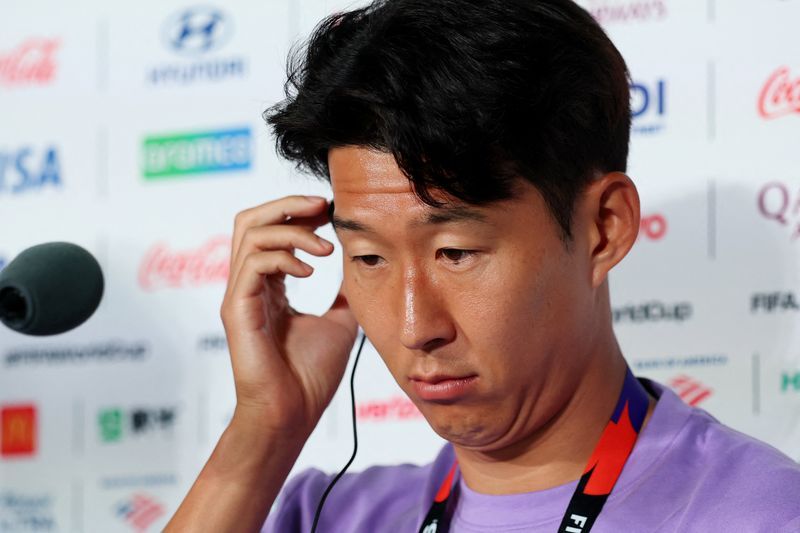
South Korea's World Cup squad has taken the dramatic step of boycotting media engagements following an incident where journalists from the country allegedly mocked captain Son Heung-min over his military service obligations. The episode unfolded during training at the team's Guadalajara base camp, with the offending remarks reportedly captured on a live microphone as the 33-year-old forward trained separately from his teammates. The incident has triggered a significant rift between South Korea's national football team and domestic media outlets, raising questions about the boundaries of press freedom and player relations in international sports.
Military conscription remains one of the most sensitive and complex issues in South Korean society, deeply interwoven with the nation's security concerns and national identity. Every able-bodied South Korean male is required to complete approximately 21 months of mandatory military service, a constitutional obligation designed to maintain adequate defensive capability against North Korea. This requirement has shaped generations of South Korean men's life trajectories and remains a topic of intense public debate, particularly when high-profile athletes navigate its demands. The controversy surrounding Son's service thus touched a particularly raw nerve, encompassing not just personal criticism but broader questions about duty, sacrifice, and national contribution.
The situation is further complicated by the existence of military service exemptions, which the government grants to athletes who achieve exceptional international recognition. Specifically, gold medalists at the Asian Games and Olympic champions can be excused from the full conscription requirement—a privilege Son earned legitimately through his stellar performance at the 2018 Asian Games, where he helped South Korea capture the tournament. This exemption framework itself generates considerable public discussion and occasional resentment, as some view such exceptions as privileging elite athletes over ordinary citizens. The reporters' alleged mockery appeared to weaponize this very tension, suggesting that Son's exemption was undeserved or that his military training stint was somehow insufficient or laughable.
Son himself did undertake a compulsory three-week basic military training program in 2020, during a period when the Premier League had suspended operations due to the COVID-19 pandemic. This condensed training regimen was far from ceremonial—it subjected the international footballer to authentic military experiences including exposure to tear gas, live-fire drills, and grueling 30-kilometre hikes. Despite this tangible sacrifice of time and physical endurance, the alleged ridicule suggests that some media personnel questioned the legitimacy or significance of his service contribution, possibly insinuating that his abbreviated training represented an insufficient commitment compared to conscripts undertaking the full 21-month term.
The Korea Football Association responded swiftly and formally to the incident, releasing an official statement expressing regret over what it termed "inappropriate remarks made by some media personnel." The KFA's language was notably measured yet firm, acknowledging the shock and disappointment experienced by the squad while emphasizing the team's commitment to representing South Korea on the global World Cup stage. The association framed the incident as undermining the players' ability to focus on their mission and representing a breach of the mutual respect necessary between media and athletes. This response signaled that the KFA viewed the matter as a serious institutional problem rather than a minor interpersonal conflict.
The players' decision to boycott non-mandatory media duties constitutes a powerful form of protest, leveraging their position as public figures to make a statement about acceptable conduct. Such boycotts are relatively rare in international football, as they risk negative publicity and potential disciplinary action. The fact that the squad chose this path suggests the perceived severity of the transgression and the depth of frustration within the team environment. The boycott also reflects broader generational and cultural tensions, as younger athletes increasingly challenge media narratives and assert boundaries around their personal and professional dignity.
However, the squad's ability to sustain this boycott faces a practical limitation: FIFA mandates certain media obligations for all participating nations during World Cup tournaments. These obligations form part of the competition's broadcasting and commercial infrastructure, meaning South Korea cannot simply withdraw from all media interactions without incurring potential penalties or sanctions from football's governing body. This constraint creates a tension between the players' desire to protest and the regulatory framework within which international football operates, forcing the team to fulfill minimum media requirements while refusing voluntary or additional engagements.
The KFA's statement also directly appealed to media outlets to demonstrate "greater consideration and a responsible attitude" towards the national squad, a diplomatic but pointed request for industry-wide self-reflection. By framing the issue as a systemic media problem rather than isolated misconduct, the federation signaled its expectation that journalists covering football should maintain professional standards and refrain from personal attacks disguised as commentary. The association committed itself to prioritizing squad protection and fostering what it described as a "healthy media environment," suggesting that future media interactions might be more carefully controlled or limited.
For Malaysian and regional Southeast Asian readers, this episode illuminates the complex dynamics between national sporting pride, individual athlete rights, and media responsibility in competitive international sports. The incident demonstrates how cultural sensitivities—whether military service, national duty, or personal sacrifice—can become flashpoints for conflict when media outlets fail to exercise appropriate judgment. It also reveals how athletes increasingly expect and demand respect for their contributions beyond their on-field performance, particularly regarding sacrifices made for national obligations.
The broader implications extend to how regional media outlets should approach coverage of international tournaments and athlete controversies. The South Korean situation suggests that thoughtful journalism requires understanding the cultural and political contexts within which athletes operate, rather than reducing complex issues like military service to material for casual mockery. For Southeast Asian sports media, the incident serves as a cautionary tale about the consequences of crossing professional boundaries and demonstrates the power that organized athlete boycotts can wield in response to perceived disrespect.
Looking forward, this dispute between South Korea's national team and domestic media represents a critical juncture in how athlete-press relations evolve in international football. The outcome of this confrontation—whether dialogue resumes, whether standards are established, whether trust is rebuilt—will likely influence how other national teams approach media management and set precedents for player activism in response to journalistic overreach. For football federations across Asia and beyond, the South Korean case underscores the importance of clear protocols protecting player dignity and establishing consequences for media misconduct.
The incident ultimately raises fundamental questions about the role of sports journalism and the boundaries between legitimate criticism and personal mockery. While media outlets certainly retain the right to scrutinize athlete decisions and national team selections, the alleged remarks crossed from analysis into ridicule of a protected national duty. This distinction matters profoundly, as journalism that respects its subjects' fundamental human dignity and cultural values maintains credibility and legitimacy in ways that sensationalism and cheap mockery cannot achieve. The South Korean squad's response demonstrates that modern athletes will not passively accept disrespect, and that media outlets must earn and maintain the trust necessary to access these elite performers and their stories.