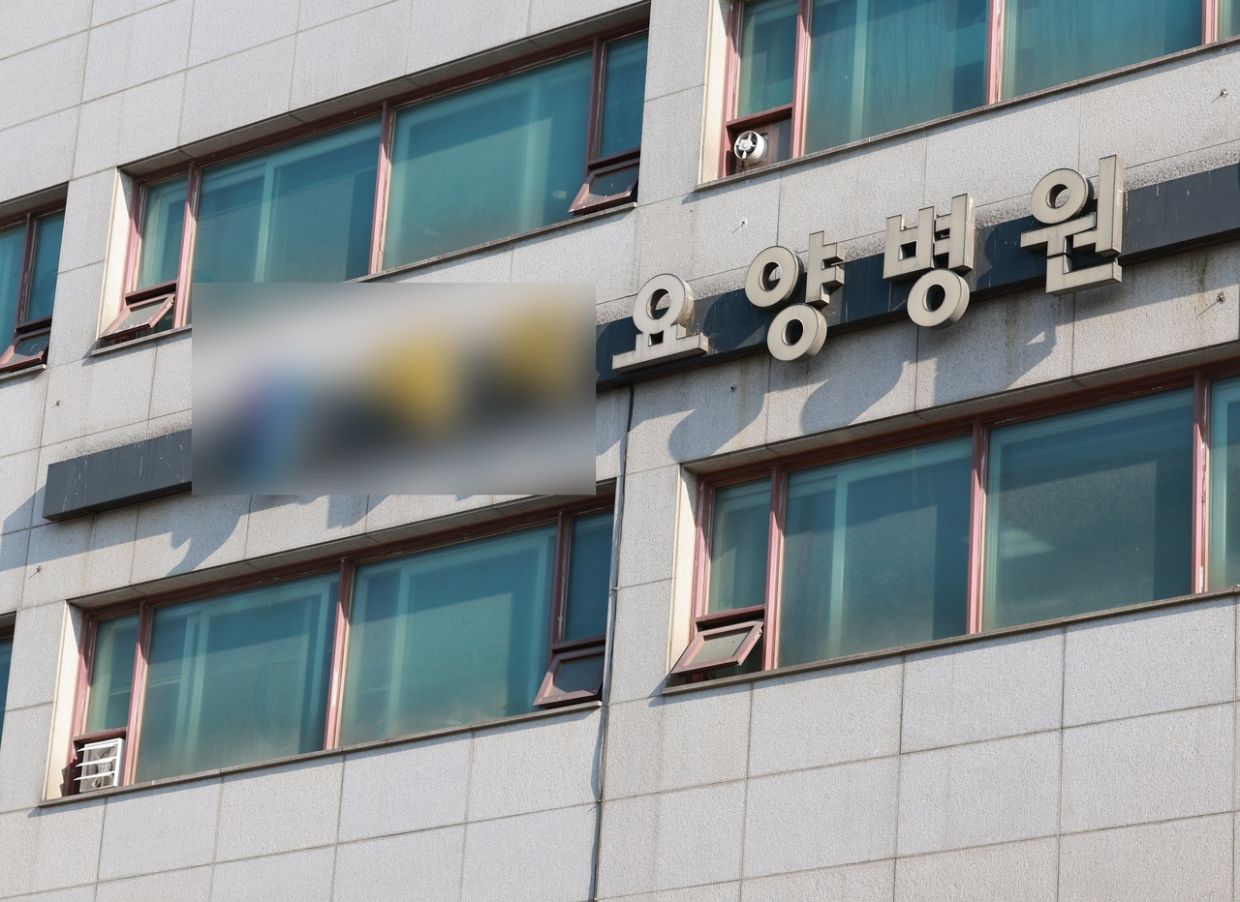
Police in Incheon have concluded their preliminary investigation into the discovery of a human leg at a recycling centre, establishing that the body part was carelessly disposed of by a local nursing hospital rather than through proper medical waste channels. The revelation marks the culmination of an examination that began when the leg was found on June 10 at the Southern Regional Resource Recovery Centre, triggering immediate police involvement and forensic analysis to determine its origins and the circumstances surrounding its disposal.
The leg belonged to a woman in her 80s who had undergone amputation at the Jung-gu nursing hospital in Incheon. According to accounts provided by police at the Incheon Yeonsu Police Station, a member of the hospital's cleaning staff, aged in their 60s, made a critical error in judgment by placing the amputated limb into general waste containers. The staff member apparently mistook the leg for a mannequin or training dummy, a momentary lapse in attention that resulted in a significant breach of medical waste protocols. This confusion appears to have occurred despite the limb initially being categorised as medical waste by hospital personnel, suggesting a breakdown in proper segregation and handling procedures at the facility.
The investigation's timeline reveals the systematic approach taken by authorities to verify the leg's identity. After the National Forensic Service conducted initial analysis confirming the remains came from an adult, hospital staff voluntarily reported to police that the leg likely originated from their institution. Subsequent DNA analysis conclusively matched the limb to the elderly female patient who had undergone the procedure, eliminating any uncertainty about its provenance and establishing a direct connection to the Jung-gu facility. This scientific confirmation provided the factual basis for formal police assessment of potential legal violations.
The case has exposed serious deficiencies in medical waste management practices at the hospital. South Korea's Wastes Control Act specifically requires that medical waste be disposed of separately using designated government containers, a fundamental requirement designed to prevent exactly this type of incident. Investigators are now scrutinising whether the Jung-gu facility adhered to these mandatory protocols in handling the amputated limb, with preliminary findings indicating that proper procedures were not followed. The cleaning staff member's ability to mix medical waste with recyclables points to inadequate workplace training, insufficient supervision, or failures in the waste segregation system at the hospital.
Beyond violations of waste disposal regulations, police are simultaneously examining whether the hospital may have breached provisions of the Medical Service Act in performing the amputation itself. Allegations have surfaced suggesting that the Jung-gu nursing hospital lacks the necessary medical equipment or facilities to conduct such a procedure, raising questions about the appropriateness of the surgical intervention taking place at this location. While police have not made definitive statements regarding these allegations, their decision to investigate this angle indicates serious concerns about whether the operation should have been performed at the facility or whether the patient should have been referred to a fully equipped medical centre.
The circumstances leading to the patient's admission at the Jung-gu nursing hospital provide additional context for understanding this incident. According to testimony from the patient's family, the elderly woman had been refused admission by other hospitals due to her deteriorating medical condition, leaving the nursing facility as the only available option. This situation highlights a broader healthcare access problem in South Korea, where patients with complex conditions sometimes cannot secure care at appropriate facilities and instead must rely on less-equipped institutions. The family's decision to admit her to the nursing hospital, despite its apparent limitations, reflects the desperate circumstances they faced in finding any medical care for their relative.
Police officials have acknowledged the complexity of determining appropriate criminal charges in this case. While the mishandling of medical waste appears evident, transforming this finding into specific criminal liability under the Medical Service Act requires careful legal analysis. A police spokesperson indicated that authorities have not yet identified a definitive criminal clause applicable to the situation, necessitating consultation with the Korean Medical Association, the Ministry of Health and Welfare, and independent legal experts before reaching conclusions. This cautious approach suggests that despite the obvious regulatory failure, prosecuting the hospital or individual staff members may require clarification of legal standards or amendments to existing frameworks.
For Southeast Asian readers, this incident underscores the critical importance of robust institutional oversight in medical waste management, an area where many regional healthcare systems face similar challenges. The breach at this Incheon facility demonstrates that even in a developed nation with comprehensive waste control legislation, procedural failures can occur when staff training and workplace supervision prove inadequate. Hospitals across Malaysia, Singapore, Indonesia, and other nations would benefit from reviewing their own medical waste segregation protocols and ensuring that all personnel, including cleaning and maintenance staff, understand the distinction between hazardous medical materials and general refuse.
The incident also raises questions about accountability mechanisms in healthcare settings. The hospital's relative cooperation with police, voluntarily providing information about the leg's likely origin, may influence how authorities ultimately handle the case. However, the clear violation of waste management regulations and the unresolved questions about the appropriateness of the amputation procedure suggest that meaningful consequences remain likely. Whether those consequences take the form of criminal prosecution, administrative penalties, facility improvements, or a combination thereof will depend on ongoing consultations between police and relevant regulatory bodies.
This case serves as a cautionary tale about the intersection of patient care, institutional capability, and regulatory compliance. The elderly patient's admission to a facility apparently lacking the capacity to properly manage her medical needs, combined with subsequent failures in waste management procedures, illustrates how system gaps can cascade into serious incidents. For healthcare administrators across the region, the incident reinforces that investment in staff training, clear operational protocols, and adequate facilities is not merely an administrative concern but a fundamental aspect of responsible medical practice.

