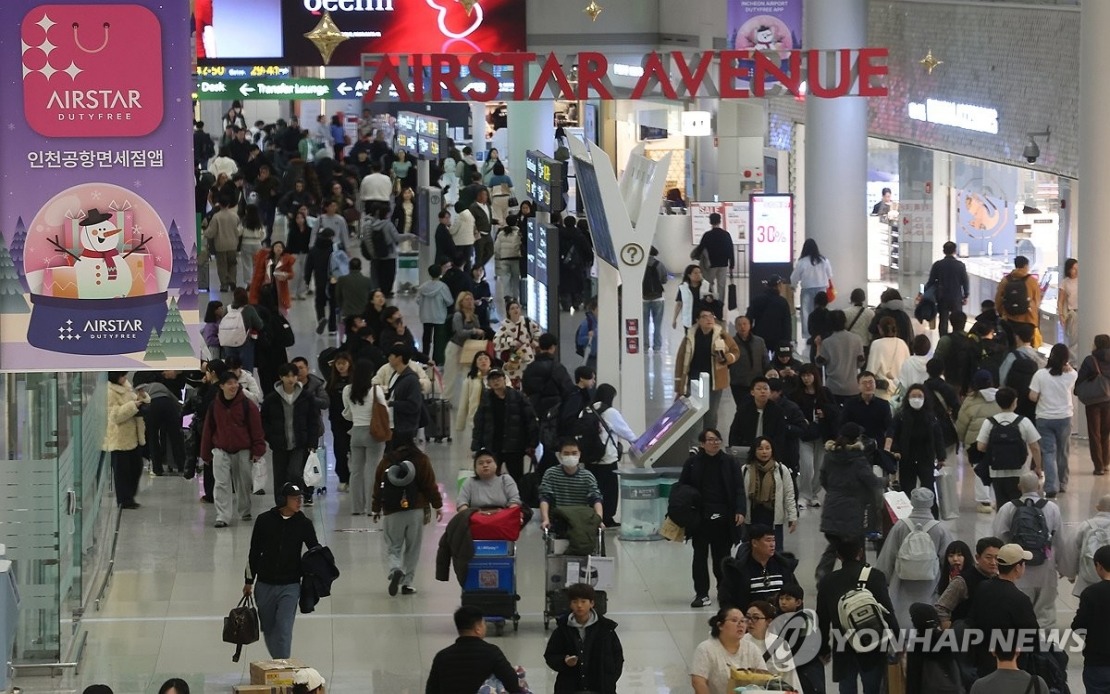
South Korea is on course to shatter its tourism records this year, having already welcomed more than 10 million international visitors by the middle of June. The Ministry of Culture, Sports and Tourism confirmed that the country achieved this milestone about a month earlier than the previous year, when the 10 million threshold was crossed in mid-July. For the first time in the country's tourism tracking history, this significant figure has been reached within the opening half of the calendar year, underscoring the remarkable pace of recovery in inbound travel to one of East Asia's premier destinations.
The acceleration in arrivals reflects a robust rebound in international tourism following the pandemic era, with May alone recording 1.95 million visitors—a substantial 19.4 percent increase compared to May of the previous year. This sustained momentum suggests that travellers worldwide are rediscovering South Korea as a must-visit destination, driven by the country's reputation for cultural attractions, technological innovation, and entertainment exports. The consistent growth month-on-month indicates that this is not merely a temporary spike but reflects genuine renewed interest in the country's tourism offerings.
The geographic composition of visitors reveals the breadth of South Korea's appeal across different markets. Chinese tourists dominated the visitor statistics in May with 560,000 arrivals, reinforcing the significance of the Chinese market to South Korea's tourism economy. Japanese visitors ranked second with 360,000 arrivals, while American tourists contributed 210,000 visitors during the same month. This diversified source base provides resilience to South Korea's tourism sector, reducing dependency on any single market and distributing both economic benefits and seasonal demand patterns more evenly throughout the year.
Beyond headline arrival numbers, one of the most encouraging developments has been the geographic dispersal of tourism activity beyond Seoul and the capital region. Regional airports have experienced steady growth in passenger traffic, rising from 230,000 arrivals in January to 360,000 by May. This expansion represents a deliberate strategy to distribute tourism's economic benefits more equitably across the country, encouraging international visitors to explore secondary cities and provincial attractions. Such geographic diversification strengthens local economies outside Seoul and reduces pressure on the capital's infrastructure and accommodation sectors.
Consumer spending patterns demonstrate that visitors are not merely transiting through South Korea but actively engaging in substantial spending during their stays. In May, foreign visitors' card expenditures—encompassing both physical retail transactions and online purchases—reached 2.12 trillion won, equivalent to approximately US$1.38 billion. This figure represented a watershed moment: it was the first time monthly spending exceeded the 2 trillion won threshold since the government began systematically tracking such data in 2018. This metric is particularly significant for understanding tourism's true economic impact beyond simple visitor counts, revealing robust consumer confidence and spending power among international travellers.
The achievement is particularly noteworthy given the challenging global economic environment that has accompanied the tourism recovery. Kang Jung-won, the head of the Ministry of Culture, Sports and Tourism's tourism policy office, acknowledged that this growth occurred despite elevated fuel surcharges stemming from instability in the Middle East. The fact that arrivals climbed 21 percent year-on-year through May, even under these unfavourable conditions affecting airline operations costs, underscores the genuine strength of demand for South Korean tourism experiences. Such resilience in the face of external pressures suggests that the appeal of South Korea as a destination remains deeply rooted among international travellers.
The ministry's strategy going forward emphasises deepening partnerships with both public and private sector stakeholders to sustain and amplify this momentum. Officials are explicitly leveraging South Korea's soft power assets, particularly the global reach of K-pop and the country's entertainment industry, to further enhance its brand positioning as a travel destination. Additionally, collaboration with Korean export companies—including those in technology, cosmetics, and fashion—creates synergies that can introduce international consumers to Korean products and lifestyle while also encouraging tourism. This integrated approach recognises that tourism, culture, and commerce are mutually reinforcing in the contemporary global economy.
For Southeast Asian nations including Malaysia, South Korea's tourism success offers important strategic lessons and competitive context. As a region that increasingly competes for international visitor arrivals, understanding the factors driving South Korea's surge—including its diversified marketing efforts, infrastructure development beyond capital cities, and integration of cultural exports into tourism narratives—provides valuable benchmarks. The rapid expansion of regional airport connectivity and the deliberate effort to distribute visitor benefits geographically are particularly relevant for ASEAN nations seeking to develop more balanced and sustainable tourism growth patterns.
The implications for 2024 are substantial. If current growth trajectories persist, South Korea could substantially exceed previous annual records, potentially crossing 15 million total arrivals depending on seasonal patterns in the second half of the year. Such an outcome would cement South Korea's position among Asia's top tourism destinations and generate significant foreign currency inflows at a time when many Asian economies are navigating global economic uncertainties. The achievement also validates South Korea's substantial investments in tourism infrastructure, international marketing, and experiential offerings that have positioned the country as more than merely a shopping destination.

