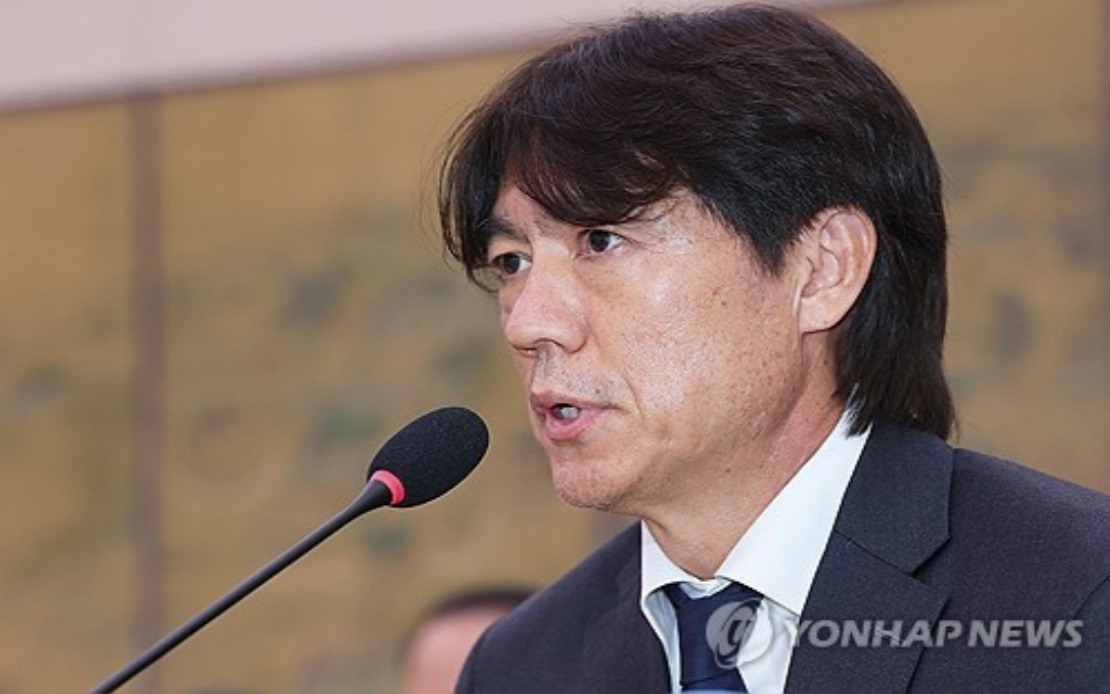
South Korea's law enforcement authorities conducted coordinated raids on the Korea Football Association on Thursday as part of an ongoing investigation into suspected irregularities surrounding the appointment of former national team head coach Hong Myung-bo. The searches targeted both the KFA's main headquarters in Cheonan, located approximately 90 kilometres south of Seoul, and the federation's central Seoul offices, marking an intensification of a probe that has drawn scrutiny over governance practices within one of Asia's most influential sports organisations.
The timing of the raids reflects growing public and political pressure on the KFA following South Korea's disappointing elimination from the FIFA World Cup at the group stage. Hong stepped down from his position in late June after the tournament, but questions about the legitimacy of his initial appointment have since gained prominence. The investigation, which police initially launched some two years ago, has resurged following the national team's poor performance and subsequent parliamentary hearings into the federation's operations and decision-making processes.
Central to the investigators' concerns is whether senior federation officials, specifically former KFA president Chung Mong-kyu and ex-technical director Lee Lim-saeng, illegally influenced the hiring process. According to reports, the appointment proceeded without adherence to established protocols. Most controversially, Lee, who held no legitimate authority over coaching selections, allegedly offered Hong the position during an informal meeting at a bakery near Hong's residence. This highly irregular approach to recruiting a national team coach has drawn criticism from sports governance advocates and transparency advocates alike.
The alleged procedural failures extend beyond mere administrative oversights. A civil society group filed formal complaints against both Hong and Chung, citing suspicions of obstruction of official duties, breach of fiduciary trust, coercion, and intimidation. These serious allegations suggest that what might have appeared initially as a straightforward appointment decision may involve more substantial violations of institutional norms and potentially legal boundaries. The formal charges underscore the gravity with which the case is being treated by both civil institutions and law enforcement.
For Malaysian and Southeast Asian football observers, the case highlights broader governance challenges affecting Asian football bodies. Sports management structures across the region often operate within environments where informal decision-making and personal relationships can supersede transparent institutional processes. The KFA situation exemplifies how even major football nations struggle with accountability mechanisms, raising questions about how well-resourced federations can still fall short in administrative integrity. The scandal demonstrates that size and sporting pedigree do not automatically ensure ethical governance.
The investigation's two-year trajectory before culminating in police raids illustrates how institutional inertia can delay accountability. Police investigators now seek to obtain comprehensive KFA documentation that might reveal the extent of interference in the appointment process and identify all parties involved in circumventing proper procedures. Such documentation, including correspondence, meeting records, and appointment deliberations, will prove crucial in establishing whether officials acted with deliberate intent to subvert institutional rules or whether the irregularities resulted from systemic oversight.
Hong's questioning by police as a suspect earlier this week represents a significant development. Although he may ultimately be portrayed as a victim of institutional manipulation or as a willing participant in irregular procedures, his testimony under investigation protocols carries important evidentiary weight. The distinction between whether Hong knowingly participated in circumventing appointment processes or was himself manipulated by federation officials could substantially influence how the investigation proceeds and what charges, if any, ultimately follow.
Parallel parliamentary hearings held late last month provided a public forum for examining the broader management challenges within the KFA. These legislative inquiries covered not only the specifics of Hong's appointment but also wider concerns about federation governance, budget allocation, and administrative oversight. Such parliamentary involvement reflects how governance failures in major sports organisations increasingly attract government attention, particularly when they coincide with national team underperformance that affects national pride and public investment in sports infrastructure.
The raiding of federation offices carries symbolic importance beyond the immediate investigation. By physically securing documents and records, police effectively place the KFA under heightened scrutiny and signal that no institution stands above the law, regardless of its cultural or sports significance. This sends a message throughout Asian sports governance networks that accountability mechanisms exist and can be activated when institutional misconduct is suspected.
For Korean football's future trajectory, resolving these governance questions proves essential. Restoring institutional credibility requires not merely identifying individuals responsible for procedural violations but fundamentally reforming how the KFA conducts major appointments and decisions. The investigation may ultimately recommend structural changes to federation operations, including clearer authority definitions, mandatory transparency in recruitment, and enhanced oversight mechanisms. Such reforms would benefit not only Korean football but could serve as a model for sports governance improvements across Southeast Asia and broader Asian football communities.
The broader implications extend to how Asian sports federations are held accountable by their governments and civil societies. As countries increasingly scrutinise sports governance following major tournaments, the precedent established through the KFA investigation may influence expectations and standards across regional football bodies. Malaysian football stakeholders, in particular, should monitor how the case develops, as lessons regarding institutional reform and governance transparency could inform discussions about Football Association of Malaysia structures and decision-making processes.

