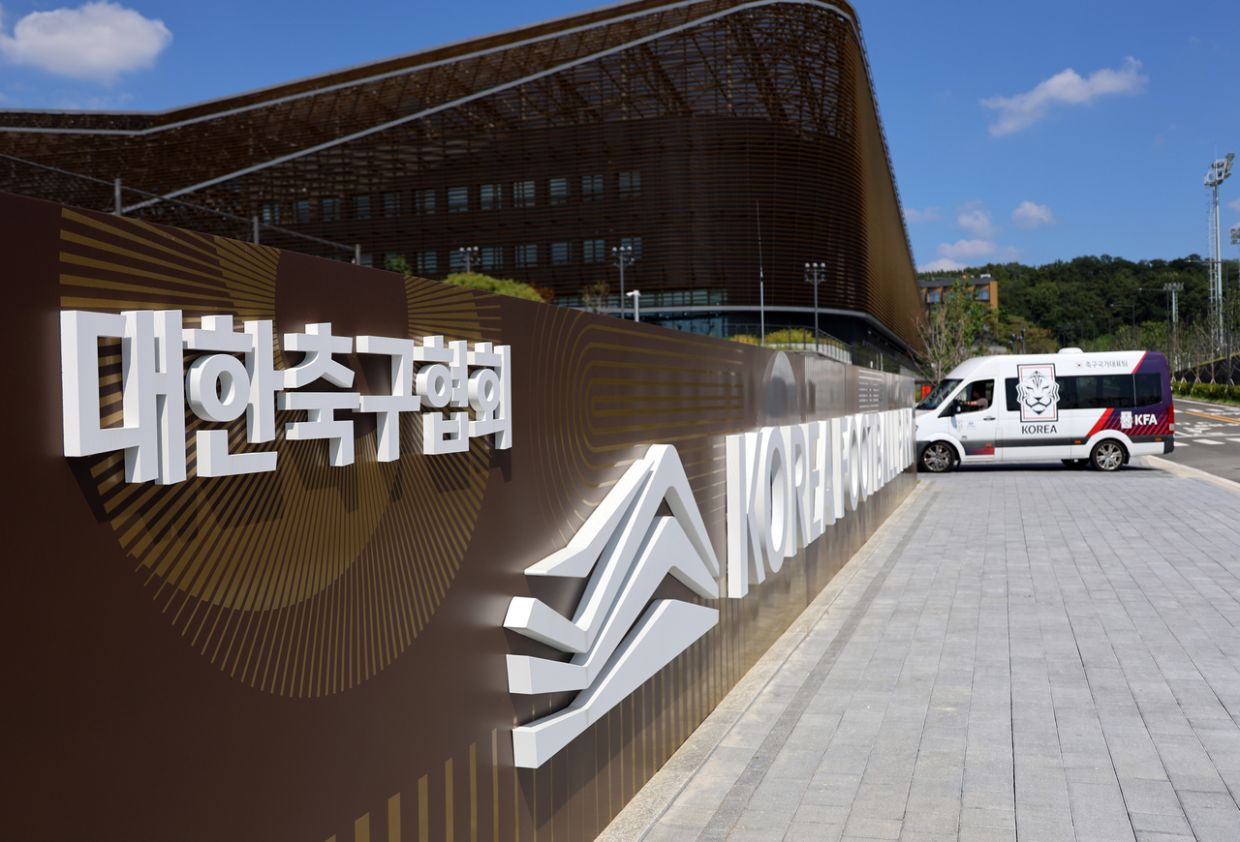
The controversy engulfing South Korea's football governance has rapidly escalated into a regional crisis, with the Japan Football Association now formally investigating allegations that four of its own referees received improper entertainment payments from the Korea Football Association. The revelation emerged just one day after the KFA issued a carefully worded public apology acknowledging the gravity of the situation, suggesting the scandal's reach extends well beyond Seoul's control.
The investigation by Japan's football body centres on whether these four officials were among roughly ten foreign referees and match commissioners who allegedly received hospitality at massage establishments between March 2011 and March 2012. The original allegations surfaced from a 2016 government audit by South Korea's Ministry of Culture, Sports and Tourism that remained dormant until a JTBC investigative report in early August reignited public scrutiny. Kyodo News reported that the JFA intends to publish its findings once the inquiry concludes, though the timeline for disclosure remains unclear.
At the heart of the scandal lies a particularly troubling detail: the KFA allegedly deployed corporate credit cards to finance entertainment at massage parlours for officials connected to seven matches played on South Korean soil—three World Cup and Olympic qualifiers alongside four friendly encounters. The national team compiled a record of five wins, two draws, and no losses across these fixtures, a performance that has naturally prompted questions about whether the results were artificially secured through improper influence. However, both South Korean and Japanese officials have strenuously denied that match outcomes were compromised by the alleged payments.
The timing of the KFA's apology statement on Saturday carried particular significance, arriving as the association faced mounting institutional pressure from multiple directions simultaneously. A parliamentary inquiry into KFA governance was already underway, while police had recently conducted a raid on the federation's offices in connection with a separate investigation into the contentious 2024 hiring of former national team coach Hong Myung-bo. The apology, while acknowledging the "disappointment and concern" caused by the cascading controversies, represented a damage-control measure aimed at stabilizing the organization's international reputation at a critical juncture.
For regional football observers and administrators, the scandal presents a troubling dimension to referee integrity across East Asian football. Japanese media outlets have already identified two of the referees allegedly involved, including one who now holds a management position overseeing officials in Japan's domestic J-League competition. The other referee reportedly led the all-Japanese crew for South Korea's 2012 World Cup qualifier victory over Kuwait—a match the audit specifically identifies as involving entertainment payments to two match officials. Such revelations inevitably raise uncomfortable questions about the structural vulnerabilities in East Asian football's governance systems.
However, some Japanese commentators have introduced an important caveat to the unfolding narrative: the fact that a referee officiated a match does not automatically establish that the individual personally received entertainment or improper payments. This distinction matters considerably for due process and fair treatment of officials, particularly those who may have been unaware of or uninvolved in any institutional arrangements. The line between organizational misconduct and individual culpability remains crucial as both football associations navigate the investigation.
From an international football governance perspective, the scandal raises legitimate questions about FIFA's enforcement mechanisms and whether global football authorities possessed adequate visibility into the KFA's operations during the period in question. International Business Times UK has speculated about the possibility of FIFA sanctions and prompted discussion about governance reforms, yet seasoned observers acknowledge that formal disciplinary action from football's world governing body appears unlikely. FIFA's ethics code typically establishes statutes of limitations ranging from five to ten years for most violations, meaning conduct from 2011-2012 likely falls beyond enforceable timeframes. More significantly, the alleged conduct does not clearly fall within FIFA's broader, time-unlimited category covering sexual abuse or exploitation.
The practical reality of enforcement complications is further complicated by the passage of time and personnel changes. Most of the referees implicated in the audit have since retired from active match supervision, substantially limiting FIFA's conventional disciplinary options. Additionally, a South Korean criminal investigation into the matter was previously closed due to insufficient evidence, removing a potential avenue through which external pressure might have been applied. This combination of factors suggests that despite the scandal's severity and international dimensions, formal football sanctions may prove elusive.
For Malaysian and broader Southeast Asian football administrators, the unfolding crisis offers sobering lessons about the importance of transparent financial controls, independent oversight mechanisms, and clear protocols governing official entertainment and hospitality. The scandal demonstrates how institutional vulnerabilities in one federation can rapidly metastasize into regional reputation damage and international embarrassment. The fact that East Asian football's governance structures permitted such conduct to occur without immediate detection raises fundamental questions about whether similar practices might exist elsewhere in the region, undetected or unreported.
The KFA's pledge to undertake "sweeping reforms to restore transparency" suggests recognition that the organization's legitimacy depends on demonstrable, structural change rather than mere apologies. However, the true test of institutional reform will emerge over coming months as the Japanese investigation concludes, as South Korean police pursue their separate inquiry, and as international football authorities determine whether any global governance violations warrant action. The scandal has already tarnished East Asian football's image at a time when the region seeks to expand its global football influence and credibility.

