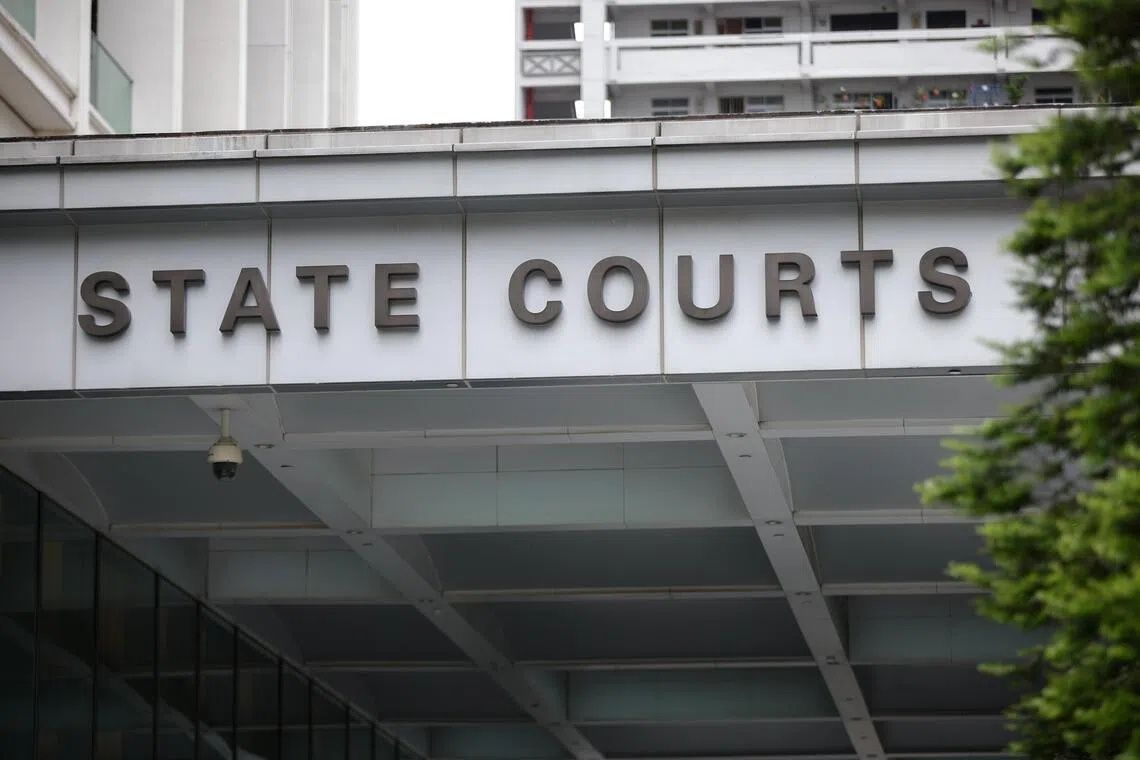
A Singapore court has handed down a substantial sentence against a man convicted of uploading explicit videos of his ex-girlfriend to a social media group with nearly 80,000 members in what prosecutors described as an especially serious case of revenge pornography. The 27-year-old offender, who was 22 when he committed the crime, received two years and eight months' imprisonment along with two strokes of the cane, plus an order to pay $4,000 compensation to the victim. The judgment, released on June 25, marks a firm stance by Singapore's judiciary against non-consensual intimate image distribution, a growing problem across Southeast Asia as digital platforms expand.
The case centred on a relationship that began in 2016 when both were attending a religious school. The victim was 15 and the offender 17 when they started dating. Over the course of their relationship, the victim—responding to his requests—sent him multiple intimate photographs and at least two videos of herself. The couple eventually separated after more than a year together, with the victim citing possessive and toxic behaviour as reasons for the breakup. She took steps to protect her privacy by deleting any explicit material she held of him and explicitly asked him to do the same. He falsely agreed but retained the footage for personal use, a deception that would have lasting consequences.
Nearly five years later, in April 2021, the offender contacted his ex-girlfriend again seeking reconciliation despite being in another relationship at the time. The victim declined his advances and blocked him on messaging platforms. Motivated by a desire to punish her for the rejection, he took a calculated approach to humiliation. Using a fake profile impersonating the victim, he uploaded her intimate videos to a large social media community group that boasted approximately 80,000 members on a platform serving millions of users globally. This brazen act of retaliation set in motion a chain of consequences that would continue affecting the victim for years afterward.
The victim first learned of the violation a month after the videos were posted when a stranger contacted her on Instagram after viewing her explicit content. When she requested information about where he had found the material, he provided a link directly to the group containing her videos. Suspecting the offender's involvement, the victim employed her own investigative approach, creating a false online identity to infiltrate the group and confirm her suspicions. What she discovered was deeply disturbing: the group contained numerous explicit images and videos of various women, many depicted in religious garments, with her own material prominently featured among these posts.
The violation extended beyond the initial distribution to create ongoing harassment that persisted long after the offence. Following her police report and the offender's arrest, the victim continued receiving unwanted contact from men who had accessed her videos, indicating the material remained in circulation within digital networks. This persistent exposure reshaped multiple aspects of her life. She abandoned her previous aspiration to become a religious teacher due to fears that her intimate images might surface within her faith community, effectively closing off a career path that had aligned with her values. The psychological toll extended to her relationships with family members, particularly her mother, causing estrangement that the court noted as ongoing harm from the offence.
Prosecutor Chong Kee En emphasised the enduring damage in her sentencing submissions, highlighting that nearly five years after the crime, the victim's life remained profoundly disrupted. The offence had compromised her family relationships, constrained her professional choices, and damaged her romantic prospects. These impacts went well beyond the momentary violation of uploading, demonstrating how revenge pornography extends its harm across multiple dimensions of a victim's existence. The prosecution sought a jail term of 30 to 36 months alongside three strokes of the cane, arguing that the severity of harm and the calculated nature of the attack warranted substantial punishment.
The defence presented a contrasting narrative, with lawyer Sean Marican characterising the offence as an impulsive act driven by the offender's anger at rejection. The defence sought a significantly lighter sentence of one year's imprisonment without caning, plus a $500 compensation order. This argument highlighting sudden impulse stood in tension with the detailed nature of the offence, which involved creating a fake identity, uploading to a large platform, and successfully impersonating the victim—actions that suggest premeditation rather than spontaneous retaliation. The judge ultimately sided with the prosecution's characterisation of the conduct.
Principal District Judge Toh Han Li's reasoning in the judgment provided important judicial analysis of the offence's nature and gravity. The judge determined that the offender's motivation was explicitly vengeful, designed to cause maximum harm and humiliation by portraying the victim as promiscuous through images showing her in religious attire. This combination of elements—the religious garb, the social media platform's religious user base, and the calculated nature of the impersonation—suggested the offence carried heightened reputational consequences within the victim's community. The judge noted particularly that the victim's continued receipt of solicitations from men who had accessed the material demonstrated the images remained actively circulated, perpetuating harm long after the initial upload.
Under Singapore's law, individuals convicted of distributing intimate recordings without consent face maximum penalties of five years' imprisonment, substantial fines, caning, or combinations thereof. The sentence imposed—two years eight months jail and two strokes of the cane—sits within the middle-to-upper range of typical sentences, reflecting the serious nature of the offence while stopping short of the maximum. The compensation order of $4,000 provides the victim some financial recognition of harm, though such sums rarely fully address the broader life disruption caused by such violations. The judgment is published under a gag order protecting the victim's identity, a standard protection in such cases throughout the region.
The case carries implications for Malaysia and other Southeast Asian jurisdictions grappling with similar issues. Revenge pornography remains difficult to prosecute across the region, partly due to gaps in legislation and partly due to the technical challenges of tracking offline distribution networks. Singapore's robust approach—combining custodial sentences with caning—represents one end of the regional enforcement spectrum, though questions persist about whether deterrence is effectively achieved when offenders often underestimate consequences of digital sharing. The victim's experience underscores how intimate image abuse extends far beyond the moment of distribution, affecting career prospects, family relationships, and psychological wellbeing across years. The case demonstrates the vulnerability of young people in digital environments, particularly when their content is captured within relationship contexts where power imbalances or coercion may exist.

