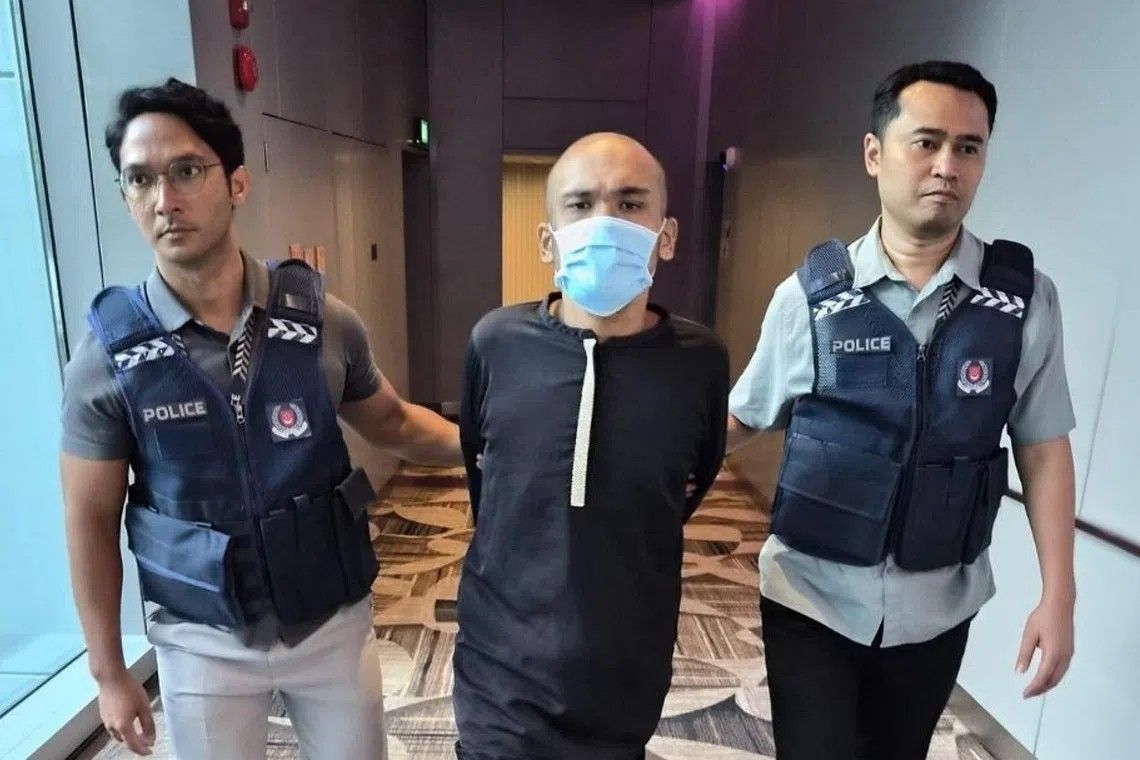
A 27-year-old Singaporean named Elvin John Baptist appeared in court on August 7 facing charges related to a series of social media posts that authorities say were designed to demean the Muslim faith and destabilise Singapore's carefully maintained religious equilibrium. The case underscores growing tensions surrounding online hate speech in Southeast Asia and the region's varied approaches to protecting religious sensitivities in the digital age.
Baptist was formally charged with one count under Singapore's Maintenance of Religious Harmony Act, which carries penalties for conduct deliberately intended to wound religious feelings or provoke communal discord. The charge stems from two TikTok videos posted on March 1 in which Baptist allegedly spoke derogatory words in Malay knowing they would offend Muslims and potentially ignite broader social unrest. The case highlights how quickly offensive content can spread across social platforms and the challenges authorities face in responding swiftly to such incidents.
The sequence of events reveals the cross-border complications that can arise when individuals flee their home country following allegations of serious misconduct. Baptist uploaded the videos in March but authorities only received complaints on the same day the posts appeared. Remarkably, by the time investigators sought to apprehend him, he had already crossed into Malaysia, suggesting he may have anticipated law enforcement action. This pattern is not uncommon in Southeast Asia, where porous borders and varying enforcement priorities can complicate prosecutions for online offences.
The involvement of the Royal Malaysia Police demonstrates the kind of bilateral cooperation increasingly necessary to address digital-age crimes that transcend national boundaries. Baptist remained in Malaysia for several months before Malaysian authorities, presumably acting on information from Singapore, relocated him back across the Johor Strait. He was arrested immediately upon arrival at Singapore's immigration checkpoint on August 6, preventing any further delay in the legal process. This coordinated approach between neighbouring countries signals a regional commitment to preventing individuals from exploiting territorial gaps to escape accountability.
For Malaysian readers, this case carries particular relevance given that Islam is the federation's official religion and numerous laws protect Muslim sensitivities. Malaysia itself maintains strict laws against contempt of Islam and insulting remarks toward the faith. The cooperation between Malaysian and Singaporean authorities suggests that both countries view religious harmony as a shared priority worthy of cross-border enforcement efforts. However, the case also raises questions about how different jurisdictions define and handle online religious offences, and whether extradition frameworks adequately address digital-age misconduct.
Baptist's alleged conduct represents a specific category of online abuse that has proliferated in Southeast Asia: deliberate attempts to provoke religious communities through social media. The use of TikTok, a platform wildly popular among young people across the region, demonstrates how easily inflammatory content can reach mass audiences before removal or moderation occurs. The short-form video format, combined with comments and sharing functions, creates a viral mechanism that amplifies offensive messaging far beyond what traditional media outlets could achieve.
The specific targeting of the Malay language in Baptist's videos suggests an intentional effort to maximise comprehension and impact within Singapore's Muslim majority Malay community. This linguistic specificity distinguishes the case from random or thoughtless offensive remarks; instead, it indicates premeditation and understanding of cultural context. Such deliberate framing is likely to weigh heavily during prosecution and sentencing, as judges typically view targeted religious offences more seriously than incidental insensitivity.
While Baptist faces one formal charge related to the March videos, authorities are investigating him in connection with a separate incident involving a video that allegedly shows an individual desecrating a Quran aboard a public bus in Singapore. This dual investigation suggests a pattern of religious provocation rather than isolated incidents. The Quran incident is particularly serious because it involves actual physical desecration of a sacred religious text, widely understood as one of the most offensive possible acts toward Muslims. The authorities' apparent linking of Baptist to this second matter could significantly compound the legal jeopardy he faces.
Singapore's Maintenance of Religious Harmony Act has become a cornerstone of the city-state's approach to preventing communal violence and protecting minority faiths. The legislation recognises that in a multi-ethnic, multi-religious society, words and images can ignite destructive social conflict if left unchecked. However, the law remains controversial among free-speech advocates who argue that it allows governments excessive latitude to suppress legitimate criticism or dissent. Baptist's case will likely reignite these debates, particularly given the role of social media in amplifying his alleged statements.
The prosecution of online religious offences represents one of the most complex challenges facing Southeast Asian legal systems. Unlike traditional speech occurring in physical spaces, social media content spreads instantaneously across borders, makes permanent digital records, and reaches audiences in ways that were unimaginable to legislators who drafted laws decades earlier. Courts must grapple with questions about intent, audience comprehension, and the distinction between offensiveness and genuine incitement to violence. Baptist's pending trial will provide important precedent for how these principles apply to short-form video content.
For religious minorities across Southeast Asia, cases like Baptist's offer some assurance that authorities take seriously efforts to demean their faith through digital platforms. Yet they also highlight the sporadic and reactive nature of enforcement, which typically occurs only after complaints are lodged and investigations conducted. Proactive content moderation by platforms themselves remains inconsistent and often inadequate. The reliance on cross-border cooperation, while commendable, also indicates that technological and jurisdictional gaps continue to enable individuals to delay accountability through simple geographic displacement.
The implications for online conduct across the region are significant. Young people who might consider posting provocative religious content now have concrete evidence that such behaviour can result in serious legal consequences, even if they attempt to flee. Simultaneously, the case demonstrates that authorities in the region are willing to invest resources in tracking down individuals accused of online religious offences and cooperating internationally to ensure prosecution. As Southeast Asia continues grappling with the intersection of digital communication, religious pluralism, and law enforcement, cases such as Baptist's will increasingly shape how communities navigate these tensions.

