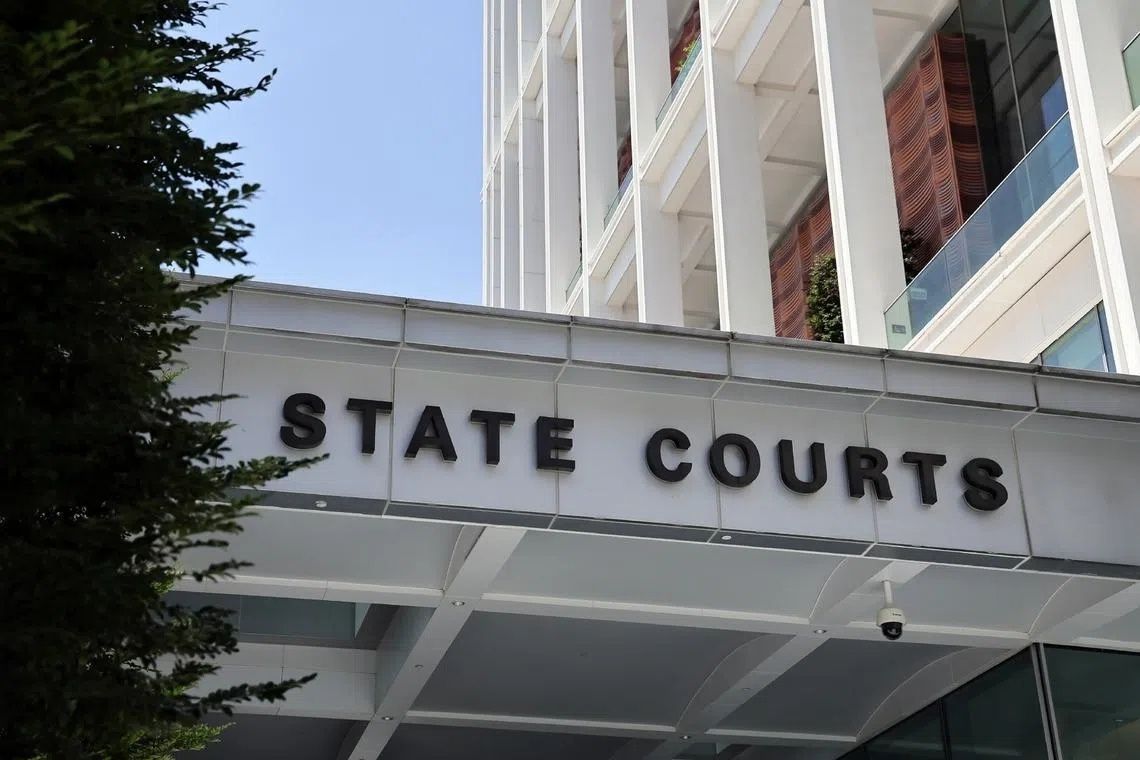
Singapore's courts processed an extraordinary batch of 41 drink-driving cases on June 25, underlining the persistent challenge of alcohol-impaired driving across the island nation. Three of those charged stand out for particularly alarming circumstances: they allegedly lost consciousness while operating their vehicles under the influence, creating dangerous situations that could have resulted in serious injury or death.
The first case involved Tho Yu Wei Ronald, 34, who authorities say left his vehicle parked dangerously at the entrance of a multi-storey carpark at Block 176 Hougang Street 13 around 11:05pm on April 30. Breath tests recorded alcohol levels of at least 51 micrograms per 100 millilitres, exceeding Singapore's legal limit of 35 micrograms by more than 40 percent. His vehicle's positioning in an entrance area posed an obstruction and safety hazard to other motorists and pedestrians navigating the facility.
Zhong Pengzhi, 38, presented a different but equally concerning scenario when he abandoned his car in the second lane of a two-lane road along Clementi Avenue 5 at approximately 1:40am on May 9. The overnight timing suggests his incapacity occurred during typically busy hours when commercial vehicles and shift workers frequently traverse such routes. His breath alcohol concentration reached at least 48 micrograms per 100 millilitres, making his inability to safely manoeuvre or park his vehicle predictable and preventable through responsible decision-making.
The third incident involved Dharuman Killivalavan, 29, an Indian national operating a commercial lorry along Loyang Avenue at around 7:45pm on June 15. His vehicle ended up stranded in the extreme right lane of a major thoroughfare, creating significant traffic disruption and danger. His blood alcohol levels were strikingly elevated at not less than 87 micrograms per 100 millilitres—nearly two and a half times the legal threshold. Killivalavan pleaded guilty on June 25 and received a substantial financial penalty of $7,100 alongside a 36-month driving disqualification, reflecting the severity of commercial vehicle operation while intoxicated.
Within the broader cohort of 41 drivers charged that day, aged between 25 and 68, two were identified as repeat offenders—a distinction that carries considerably more severe consequences under Singapore's traffic laws. Cheng Woon Siong, 44, represented the more serious recidivist case. He had previously been convicted of drink driving in December 2019, yet reoffended. Police intercepted him during a routine check with breath alcohol levels of at least 52 micrograms per 100 millilitres. His June 25 guilty plea resulted in one month imprisonment, a $5,500 fine, and a five-year driving ban upon release—demonstrating Singapore's escalating penalty structure for repeat violators.
Koh Choon Lye, 48, the other repeat offender, was apprehended along Tyrwhitt Road on April 16 during police checks with readings of at least 51 micrograms per 100 millilitres. His prior conviction dated to 2018, suggesting a troubling pattern of disregard for traffic safety regulations and legal consequences spanning several years. These recidivist cases highlight a critical gap in deterrence, where previous penalties and license suspension have failed to modify behaviour, raising questions about rehabilitation and enforcement strategies.
Singapore's Traffic Police released annual statistics revealing the scale of the drink-driving problem: 1,716 individuals were arrested for drink driving in 2025, with 12 fatal accidents attributed to alcohol-impaired driving that year. These figures underscore that isolated enforcement actions, however large in scale, represent merely a fraction of the broader enforcement effort required to address systematic violations. The single-day processing of 41 cases suggests concentrated police operations targeting high-risk locations or time periods, rather than a comprehensive snapshot of daily drink-driving activity across all of Singapore.
For Malaysian and broader Southeast Asian readers, Singapore's approach offers instructive lessons regarding administrative processing capacity and legal consequences. The swift court processing of 41 cases within a single day, coupled with immediate sentencing and licence suspension implementation, demonstrates institutional efficiency that many regional jurisdictions struggle to match. The graduated penalty structure—ranging from fines and disqualifications for first-time offenders to imprisonment for repeat violators—provides a framework that balances punishment with public safety imperatives.
The prevalence of commercial drivers within the charged cohort, evident from the lorry operator case and the ages of those processed, raises concerns about occupational licensing oversight and industry-specific training requirements. Commercial vehicle operators carry heightened responsibility given the mass and momentum of their vehicles and the potential consequences of impaired operation on passenger and public safety. Authorities emphasise that operating vehicles under alcohol influence constitutes not merely a personal safety risk but an irresponsible endangerment of entire communities.
Singapore's police continue advocating alternative transport solutions, explicitly recommending taxis and private-hire vehicles—services widely available across the island nation given its dense urban environment and developed ride-sharing infrastructure. This messaging acknowledges the practical availability of substitutes for personally-driven vehicles in an urban setting, though it may translate less effectively to less developed transportation ecosystems across the region.
The pattern of violations occurring across different times of day and locations—from overnight hours along arterial roads to evening incidents on secondary roads—suggests drink driving penetrates various socioeconomic and occupational segments rather than concentrating in specific populations or zones. This dispersion complicates targeted enforcement strategies and reinforces the need for comprehensive public education campaigns addressing cultural attitudes toward alcohol consumption and driving responsibilities.
Moving forward, Singapore's Traffic Police emphasise that drink driving remains among the most dangerous and culpable traffic violations, one that reflects a conscious choice to prioritise personal convenience or social engagement over public safety. The willingness of courts to impose imprisonment, substantial fines, and multi-year driving disqualifications demonstrates systemic commitment to treating such violations with appropriate seriousness rather than mere regulatory infractions.

