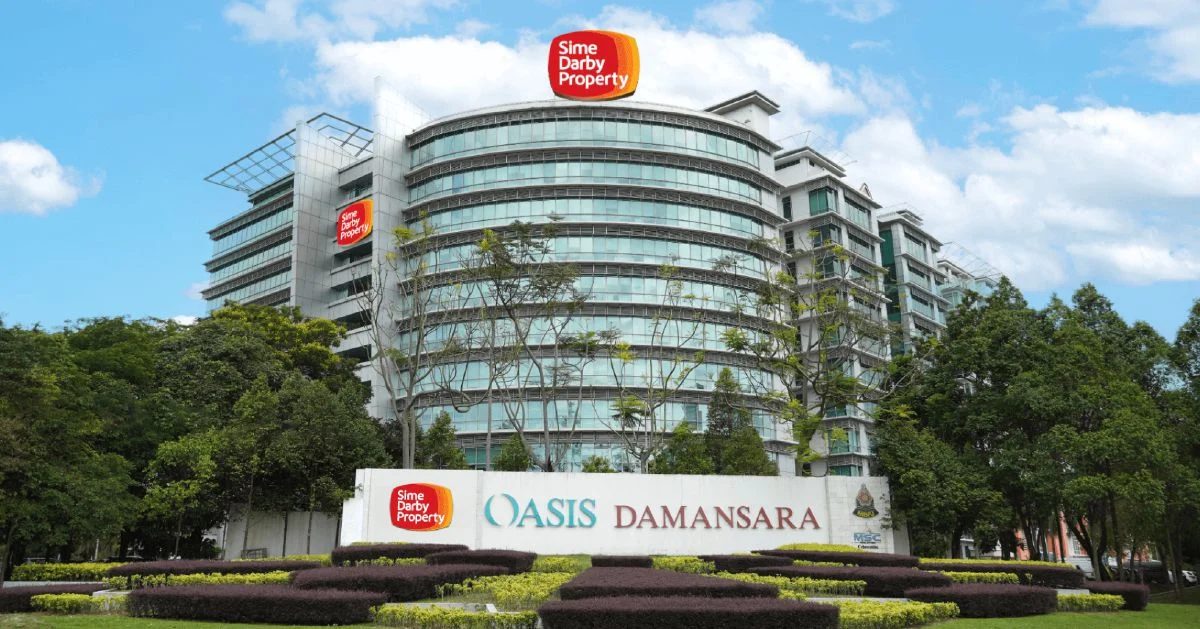
Malaysia's property development landscape continues to evolve as major players like Sime Darby Property Bhd seek innovative financing mechanisms to fund strategic expansion. The company's New Economy Venture (NEV) fund has unveiled an ambitious sukuk wakalah programme with a ceiling of RM2.6 billion, channelled through its dedicated subsidiary Sime Darby Property NEV Holdings Sdn Bhd. This move underscores how established developers are repositioning their capital structures to access Islamic capital markets, a sector that has grown substantially across Southeast Asia and remains a cornerstone of Malaysia's financial ecosystem.
Sukuk wakalah structures, which operate on the principle of an agent or trustee managing assets on behalf of investors, have become increasingly popular among large-scale property ventures seeking to finance major infrastructure and commercial undertakings. By opting for this instrument, Sime Darby Property demonstrates confidence in the Islamic finance framework's capacity to support large-ticket real estate initiatives while maintaining compliance with Sharia principles. The choice also reflects strategic positioning within a market where Islamic financing now accounts for a meaningful proportion of capital raising across multiple sectors in Malaysia and the broader region.
The New Economy Venture represents Sime Darby Property's second dedicated fund structure, indicating the developer's commitment to systematic capital deployment across emerging economic segments. Unlike traditional single-project financing, this fund architecture allows flexibility to allocate capital across multiple developments that align with Malaysia's economic diversification priorities. These new economy initiatives typically encompass technology-enabled commercial spaces, sustainable urban development, digital infrastructure hubs, and sectors positioned to benefit from post-pandemic economic restructuring and digital transformation trends.
For Malaysian property investors and market observers, the RM2.6 billion issuance carries broader implications about sectoral confidence and capital availability. Sukuk issuances of this magnitude typically attract institutional investors—including pension funds, insurance companies, and overseas sovereign wealth entities—thereby broadening the capital base beyond traditional bank lending. This diffusion of funding sources reduces refinancing risks and creates more resilient project financing structures. It also demonstrates that quality-tier Malaysian developers retain meaningful access to institutional capital markets despite macroeconomic uncertainties and interest rate fluctuations affecting regional economies.
The timing of this sukuk launch merits consideration within Malaysia's current economic context. Real estate development, particularly in segments targeting new economy sectors, remains a critical driver of employment, urban development, and economic growth. Government policies promoting green technology, digital hubs, and urban renewal have created demand for specialized development expertise. By securing RM2.6 billion in funding through Islamic capital markets, Sime Darby Property positions itself to execute these priority projects while supporting broader national objectives around economic diversification and sustainable development.
The use of wakalah structures also reflects evolving preferences among both issuers and investors regarding asset management and accountability frameworks. Under wakalah arrangements, the subsidiary company acts in a fiduciary capacity, and investors retain clearer visibility into underlying asset management decisions. This transparency mechanism has become increasingly attractive to institutional investors evaluating Islamic fixed-income instruments, particularly those subject to enhanced governance and environmental, social, and governance (ESG) scrutiny. For a developer of Sime Darby Property's profile, this structural choice enhances the appeal of the sukuk offering to discerning institutional participants.
From a Southeast Asian perspective, Malaysia's Islamic finance market continues to demonstrate robust depth and sophistication. The RM2.6 billion sukuk wakalah programme is notable not merely for its size but for representing capital mobilization within a regional ecosystem where Islamic financing instruments have matured considerably. Other ASEAN nations are increasingly studying Malaysian models as they develop their own Islamic capital markets. Sime Darby Property's issuance therefore carries implications extending beyond Malaysia, serving as a reference point for how regional developers can access large-scale Islamic financing for complex, multi-phase development initiatives.
The New Economy Venture fund's sukuk programme also addresses practical considerations facing Malaysian property developers seeking long-duration financing aligned with project timelines. Property development, particularly in emerging economic sectors, requires patient capital extended over multi-year construction and lease-up phases. Sukuk instruments, typically offering tenure ranging from five to ten years or longer, provide financing horizons matching these development cycles more naturally than short-term bank facilities. This temporal alignment reduces refinancing pressure and allows management teams to focus on execution rather than perpetual capital market navigation.
For stakeholders across Malaysia's real estate ecosystem—from project workers and material suppliers to commercial tenants and end-users—the successful placement of RM2.6 billion in sukuk funding translates into concrete development momentum. The funding secures project viability, enables hiring across construction and professional services, and confirms that anchor-tier developers retain financial resources to execute growth initiatives. This funding confidence can create positive spillover effects throughout related industries and supply chains dependent on major property development activity.
Looking forward, Sime Darby Property's sukuk issuance positions the company to capitalize on emerging opportunities within Malaysia's new economy sectors while maintaining financial flexibility for opportunistic acquisitions or project refinements. The fund structure allows capital deployment to evolve in response to market conditions and strategic opportunities, rather than being locked into predetermined single-asset commitments. This adaptability has become increasingly valuable in rapidly changing economic conditions where development priorities and market dynamics shift more frequently than historical norms.
The RM2.6 billion sukuk wakalah programme ultimately reflects confidence in Malaysia's property market fundamentals, institutional depth, and the persistent appeal of professionally developed real estate assets targeting growth sectors. It demonstrates how established Malaysian developers maintain access to large-scale institutional capital while demonstrating commitment to Islamic finance principles and governance frameworks valued by increasingly sophisticated regional investors.

