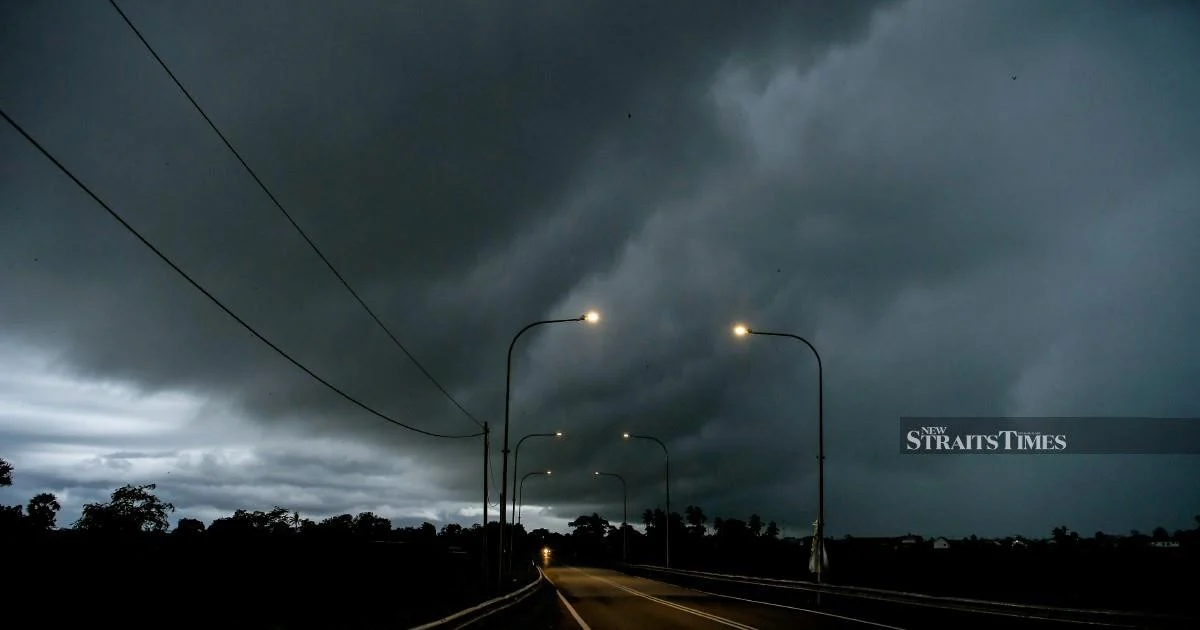
The Meteorological Department (METMalaysia) has activated an emergency weather alert encompassing Putrajaya, the Federal Territory of Labuan, and a further ten states across the country. The department issued the warning to alert the public to potentially dangerous atmospheric conditions including severe thunderstorms, destructive wind speeds, and torrential rainfall expected to impact these regions. The alert remains in effect through 9am on the day of issuance, providing residents a critical window to take necessary precautions and make adjustments to their daily routines.
Thunderstorm warnings in Malaysia represent a significant weather event that demands public attention and preparedness. When METMalaysia escalates its alert level to include multiple regions simultaneously, it signals atmospheric instability across a considerable geographical area. The combination of thunderstorms with strong winds creates particularly hazardous conditions, as the violent wind gusts associated with severe storm systems can topple structures, damage infrastructure, and pose immediate risks to anyone outdoors. Heavy rainfall occurring concurrently with such winds amplifies flooding risks, especially in low-lying areas and regions with poor drainage systems.
The inclusion of both federal territories alongside ten states underscores the widespread nature of the weather pattern affecting Malaysia at that moment. Putrajaya, as the administrative capital, hosts numerous government facilities and a substantial population that relies on daily mobility and services. Labuan, despite being geographically distant in East Malaysia, faces similar disruption risks when severe weather systems develop. The simultaneous activation of warnings across such dispersed regions suggests a larger-scale atmospheric phenomenon, possibly a monsoon surge or an equatorial pressure system, rather than isolated local weather fluctuations.
Residents across the affected regions face tangible risks from the predicted weather conditions. Strong winds accompanying thunderstorms can uproot trees, damage rooflines, overturn vehicles, and create dangerous conditions for outdoor workers and commuters. Heavy rainfall on saturated ground or in areas with inadequate drainage capacity rapidly produces flash flooding, which has proven fatal in Malaysian communities during previous wet-weather episodes. Children, the elderly, and individuals with respiratory or cardiovascular conditions face heightened vulnerability during extreme weather events of this nature.
Transportation networks across affected areas typically experience significant disruption when such warnings activate. Road visibility diminishes dramatically during heavy downpours, increasing accident risks and prompting authorities to reduce traffic flow through problematic corridors. Public transport schedules face delays and occasional suspensions as operators prioritize passenger safety. For commuters in Putrajaya and Labuan, alternative travel arrangements or work-from-home options become prudent during the warning period. Students and parents should remain alert to possible school closures or modified schedules in response to dangerous conditions.
METMalaysia's warning system represents decades of meteorological expertise and real-time atmospheric monitoring. The department continuously tracks pressure systems, wind patterns, and moisture dynamics across Malaysian airspace using satellite data, ground-based radar networks, and international weather models. When meteorologists detect conditions matching specific criteria for thunderstorm severity, wind strength, or rainfall intensity, they issue warnings to maximize advance notice for the public and emergency services. This particular alert structure, specifying two federal territories and ten states with a defined expiration time, reflects standardized protocols calibrated to genuine risk assessments rather than precautionary overreach.
Businesses and institutions within the warning zones must activate contingency plans established for severe weather scenarios. Construction sites typically suspend operations during thunderstorm warnings due to lightning risks and wind hazards. Outdoor events frequently reschedule when such alerts activate. Educational institutions may close buildings or shift classes to secure indoor spaces. Healthcare facilities prepare for potential flood-related incidents and weather-related injuries. This broad disruption across economic and social sectors, though temporary, accumulates costs and inefficiencies that Malaysian businesses increasingly factor into operational planning, particularly during predictable seasonal periods when such warnings become more frequent.
The timing of the warning through 9am indicates METMalaysia's assessment that the most dangerous atmospheric conditions would persist through that morning hours window. This morning-focused alert pattern aligns with typical tropical storm behavior in Malaysia, where convective systems often intensify during early daytime hours as solar heating destabilizes the atmosphere. However, residents should recognize that conditions often remain hazardous beyond the formal warning expiration if weather patterns persist. Checking updated forecasts and maintaining awareness of weather developments throughout the day represents prudent practice even after the 9am threshold.
The geographical spread of this alert across Malaysia's peninsula and East Malaysia reflects the country's vulnerability to several distinct weather-generating systems. During monsoon periods, moisture-laden winds collide with geographical features like the Titiwangsa Mountain Range, creating convergence zones of intense convective activity. Outside monsoon seasons, localized heating, sea-breeze interactions, and atmospheric instability can independently generate severe thunderstorm clusters. For Malaysians accustomed to year-round tropical weather, recognizing and responding appropriately to such warnings constitutes essential life-safety knowledge comparable to cyclone awareness in other regions.
Public cooperation with safety guidelines during such weather events substantially reduces casualties and injury rates. Staying indoors during the warning period, avoiding unnecessary travel, securing loose outdoor items, and keeping emergency contact information accessible represent straightforward protective measures that require minimal preparation but yield significant safety benefits. Parents should ensure children understand basic severe weather safety, such as avoiding windows and water during lightning storms. Communities with histories of localized flooding would do well to review evacuation plans and identify safe assembly points, treating each warning as a practical rehearsal for actual emergency response.
METMalaysia's decision to maintain its warning until a specified time demonstrates commitment to balancing public awareness against alert fatigue. Issuing warnings too frequently or retaining them longer than conditions warrant can desensitize populations to legitimate threats, whereas withdrawing warnings too hastily might catch unprepared individuals in genuinely dangerous conditions. The precision of specifying "9am" rather than broader timeframes like "the morning" reflects modern forecasting confidence and structured warning protocols that help Malaysian society align protective actions with actual hazard duration.

