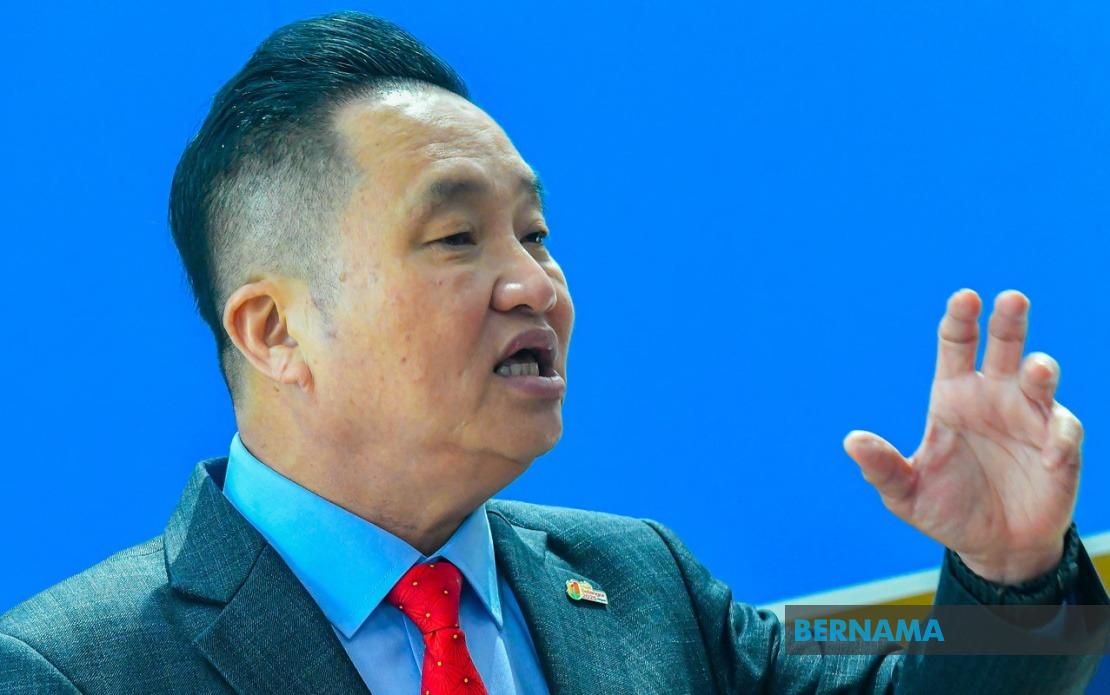
Selangor's state government has set July 1 as the launch date for a new assessment tax reduction scheme designed to incentivize residential adoption of sustainable energy solutions and green technologies. The initiative, unveiled as part of the Selangor Resilience Strengthening Package Phase 2, represents a deliberate policy shift toward encouraging environmental stewardship at the household level. According to State Tourism and Local Government Committee chairman Ng Suee Lim, the program will offer qualifying homeowners meaningful reductions in their annual assessment tax bills in exchange for installing certified green infrastructure and equipment.
The scope of eligible improvements covers several distinct categories of environmental investment. Homeowners who install solar photovoltaic systems, adopt energy-efficient household appliances, and construct rainwater harvesting installations from January 1, 2026 onwards will become eligible for assessment tax reductions, provided they meet conditions to be detailed in forthcoming implementation guidelines. This eligibility window represents a critical detail: residents must complete their green technology investments from the designated date forward to qualify, establishing a clear baseline for the program's application and ensuring transparent administration across the state's diverse municipalities.
Beyond renewable energy and water conservation, the scheme extends to transportation and waste management choices. Electric vehicle ownership qualifies as an eligible criterion for tax reduction consideration, recognizing the transportation sector's substantial contribution to residential carbon footprints. Additionally, households demonstrating commitment to recycling practices and domestic waste reduction initiatives may access assessment tax benefits under the same framework. This comprehensive approach addresses multiple vectors of household environmental impact rather than focusing narrowly on energy generation alone.
Menteri Besar Datuk Seri Amirudin Shari framed the initiative within broader state economic and environmental objectives when tabling the Resilience Strengthening Package on June 19. He emphasized that a 100 per cent assessment tax rebate would apply to Selangor residents implementing green technology installations during the initial rollout year, creating a powerful financial incentive for early adopters. This aggressive rebate structure distinguishes Selangor's approach from other Malaysian states and signals serious governmental commitment to accelerating the green transition within the residential sector.
The underlying rationale for the tax reduction program connects directly to electricity consumption patterns and grid decarbonization goals. By reducing household reliance on grid-supplied electricity through rooftop solar generation, the state expects to moderate peak demand pressures while simultaneously lowering individual residents' energy bills over the system's operational lifetime. For Malaysian householders facing persistent electricity cost inflation, this dual benefit of environmental responsibility coupled with household budget relief presents a compelling proposition, particularly in middle-income suburban communities that comprise much of Selangor's demographic composition.
Implementation of the scheme introduces administrative and verification challenges that the state government must address through detailed guidelines. Assessment authorities will require standardized methods for confirming that installed systems meet quality and efficiency standards, determining eligible equipment categories, and processing tax reduction claims from homeowners. The state has tacitly acknowledged these complexities by indicating that specific conditions will accompany the program's launch, suggesting ongoing refinement of application procedures and documentation requirements over the coming weeks.
A significant dimension of the initiative addresses the lifecycle management of green technology waste, an issue frequently overlooked in similar programs elsewhere. Ng indicated that Selangor's government recognizes the potential environmental risks posed by eventual disposal of solar panels, battery systems, and electric vehicles. The state intends to explore sustainable waste management methodologies that prevent the creation of new environmental liabilities while enabling technology recycling and resource recovery. This forward-looking approach distinguishes the Selangor scheme from less comprehensive programs and reflects awareness that promoting technology adoption without addressing end-of-life environmental consequences creates incomplete policy outcomes.
For Malaysian homeowners and property investors, the scheme generates immediate practical considerations. Those contemplating renovation or upgrade projects should evaluate whether green technology installations align with the January 1, 2026 eligibility date, potentially accelerating or delaying investment decisions to maximize tax benefits. Developers and construction firms may experience increased demand for solar installation services, energy-efficient appliance supply, and rainwater harvesting system design and installation as homeowners seek to capitalize on the assessment tax incentive.
The program's implications extend beyond individual household decisions to encompass broader Southeast Asian energy policy trends. Regional governments increasingly recognize that residential-scale renewable energy deployment, coupled with demand-side efficiency improvements, offers a practical pathway toward climate targets without requiring massive centralized infrastructure investment. Selangor's tax-based incentive mechanism demonstrates an alternative to direct subsidies or mandates, leveraging existing fiscal instruments to achieve environmental objectives while maintaining budgetary discipline.
Comparative analysis reveals that Selangor's approach differs meaningfully from assessment tax policies in other Malaysian states and regional jurisdictions. While some territories offer partial rebates or exemptions for renewable energy installations, the promised 100 per cent rebate during the initial implementation year represents an unusually generous incentive structure. This generosity may reflect both the state government's genuine commitment to accelerating the green transition and strategic positioning ahead of potential federal environmental initiatives or international climate finance opportunities.
The assessment tax reduction scheme also connects to Malaysia's broader National Energy Transition Roadmap and international climate commitments. As the country strives to increase renewable energy capacity and reduce carbon emissions intensity, residential rooftop solar deployment represents a distributed, scalable, and accessible pathway to decarbonization. By financially incentivizing homeowner participation through assessment tax benefits, Selangor contributes materially to national renewable energy targets while distributing economic benefits directly to participating residents.
Moving forward, the state government's success in implementation will depend on effective communication with property owners, streamlined claim processing, and transparent verification procedures. Initial program performance during the July 1 launch period will likely influence other Malaysian states considering similar incentive schemes. For Selangor residents, the scheme represents a tangible opportunity to reduce both environmental impact and annual property tax obligations simultaneously, provided they navigate the technical and administrative requirements successfully.

