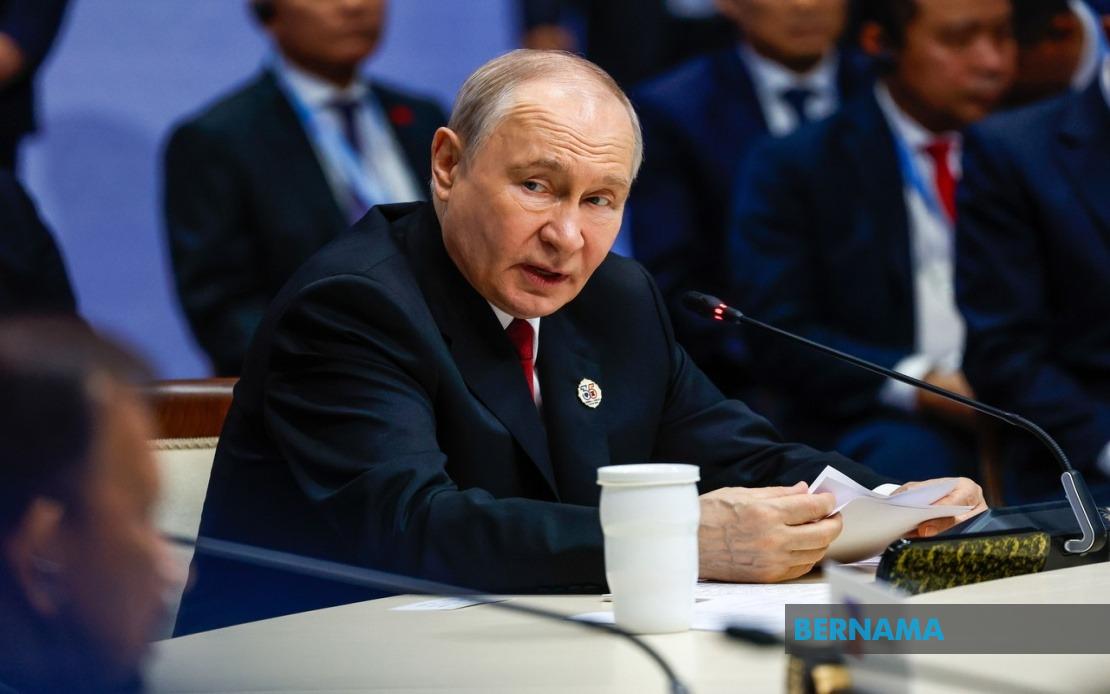
Russia and ASEAN have deepened their strategic engagement over three and a half decades, establishing themselves as partners committed to regional stability as geopolitical tensions reshape the Asia-Pacific landscape. President Vladimir Putin underscored this enduring relationship at the ASEAN-Russia Commemorative Summit convened in Kazan, characterising the partnership as a crucial balancing mechanism within the region during a period marked by international uncertainty and shifting power dynamics.
The formal establishment of ties between Russia and the 10-member Association of Southeast Asian Nations occurred in 1991 in Kuala Lumpur, following the end of the Cold War and Moscow's broader pivot towards engagement with Asian economies. Over the subsequent decades, the relationship has evolved considerably, with Russia achieving full Dialogue Partner status in 1996—a designation that provided structured channels for sustained engagement. The relationship ascended to its current strategic partnership level in 2018, reflecting mutual recognition of deepening interests and commitments across multiple domains beyond traditional diplomacy.
During his remarks at the summit, Putin articulated how the partnership rests upon shared adherence to international law and aligned interests rather than ideological alignment. This foundational principle has enabled both sides to navigate periods of global tension while maintaining cooperative frameworks. The Russian leader emphasised that their strategic partnership provides ballast to the regional order at a moment when great power competition and unresolved territorial disputes continue to unsettle Southeast Asian nations seeking predictability and mutual respect among major powers.
The institutional architecture supporting Russia-ASEAN cooperation spans an impressive breadth of functional areas. Beyond the traditional security and diplomatic channels, the partnership encompasses trade and investment mechanisms, energy cooperation agreements, agricultural partnerships, digital transformation initiatives, scientific research collaboration, educational exchanges, and people-to-people cultural programmes. This multifaceted approach reflects recognition that contemporary partnership requires engagement across economic, technological, and social dimensions rather than limiting engagement to formal state-level diplomacy.
For Southeast Asia, Russia represents a significant partner in several strategic sectors where Moscow possesses distinctive capabilities. Energy security remains paramount for a region dependent on imports, and Russian expertise in hydrocarbon production and nuclear technology offers alternatives to reliance on any single supplier. Russian contributions to agricultural development, educational institutions offering scholarships to Southeast Asian students, and technological capabilities in space and advanced manufacturing provide complementary assets to regional development aspirations. These dimensions attract ASEAN interest independent of broader geopolitical alignments.
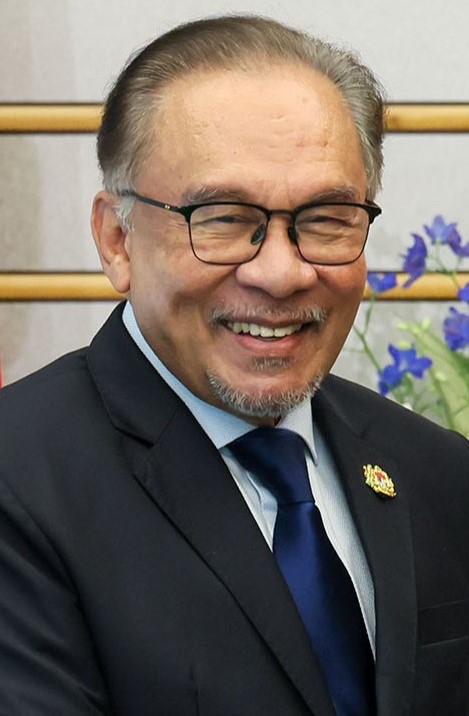
The timing of the commemorative summit carries particular significance given contemporary regional dynamics. Multiple ASEAN member states face pressure to balance relationships with competing great powers whilst maintaining their non-aligned positioning—a foundational principle of ASEAN diplomacy since the organisation's inception. The participation of Philippine President Ferdinand Marcos Jr, who held the ASEAN chairmanship, alongside Malaysian Prime Minister Datuk Seri Anwar Ibrahim and other regional leaders, demonstrates ASEAN's commitment to maintaining structured dialogue with Russia despite global polarisation.
Russia's perspective on ASEAN has evolved into viewing the bloc as integral to its broader Asian strategy. Moscow recognises that engagement with Southeast Asia provides leverage in Asia-Pacific affairs and offers economic opportunities outside the Western-dominated trading systems. For Russian policymakers, strengthening ASEAN ties constitutes essential groundwork for a more multipolar international order where Moscow retains influence across key regions. This strategic calculation explains the investment Russia has made in maintaining consistent diplomatic presence and expanding functional cooperation.
The summit's agenda encompassed review of past cooperation achievements while charting future directions. Participants discussed how the partnership might deepen in response to emerging challenges including food security vulnerabilities exposed by global supply chain disruptions, energy transition complexities affecting energy-exporting and energy-importing nations differently, and digital transformation accelerating across economies with varying capabilities. These discussions reflect how contemporary strategic partnerships must address transnational challenges alongside traditional state-centric security concerns.
For Malaysian readers and Southeast Asian observers, the Russia-ASEAN relationship illustrates a broader principle guiding regional foreign policy: maintaining diversified partnerships and avoiding exclusive alignment with single powers. Malaysia and its ASEAN neighbours benefit from engagement options with multiple major powers, enabling them to pursue national interests without subordinating their agency to great power competition. Russia's continued investment in ASEAN relations reinforces this multipolar dynamic and provides alternative partnerships that strengthen regional negotiating positions.
The strategic partnership also reflects asymmetries in what each side values. ASEAN nations, often referred to as a unified bloc of some 670 million people with combined GDP approximating US$3 trillion, represent an economically significant region. Russia, by contrast, faces economic constraints from international sanctions but maintains geopolitical significance and technological expertise. The partnership thus reflects pragmatic recognition that cooperation can proceed despite conflicting positions on some global issues, provided both parties identify sufficient mutual benefit.
Looking forward, the Russia-ASEAN relationship faces tests similar to those confronting all of Russia's partnerships beyond former Soviet republics. Sanctions and countermeasures imposed by Western powers create friction in trade and investment flows, whilst ASEAN nations must carefully calibrate their own compliance with international norms. Yet the commemorative summit demonstrates commitment to preserving institutional frameworks and dialogue channels even during periods of global tension. This resilience suggests the partnership, while not immune to external pressures, possesses sufficient institutional depth and mutual interest to weather geopolitical storms.
The emphasis on stabilisation and balanced security architecture in Putin's remarks deserves attention from Southeast Asian policymakers. As major powers compete for influence across the region, ASEAN faces pressure to choose sides. Russia's framing of its partnership as contributing to balance rather than alignment attempts to position Moscow as supporting regional autonomy rather than dependency. Whether this characterisation matches operational reality remains subject to regional interpretation, but it reflects how major powers increasingly present their engagement as serving broader regional stability rather than purely national interest.