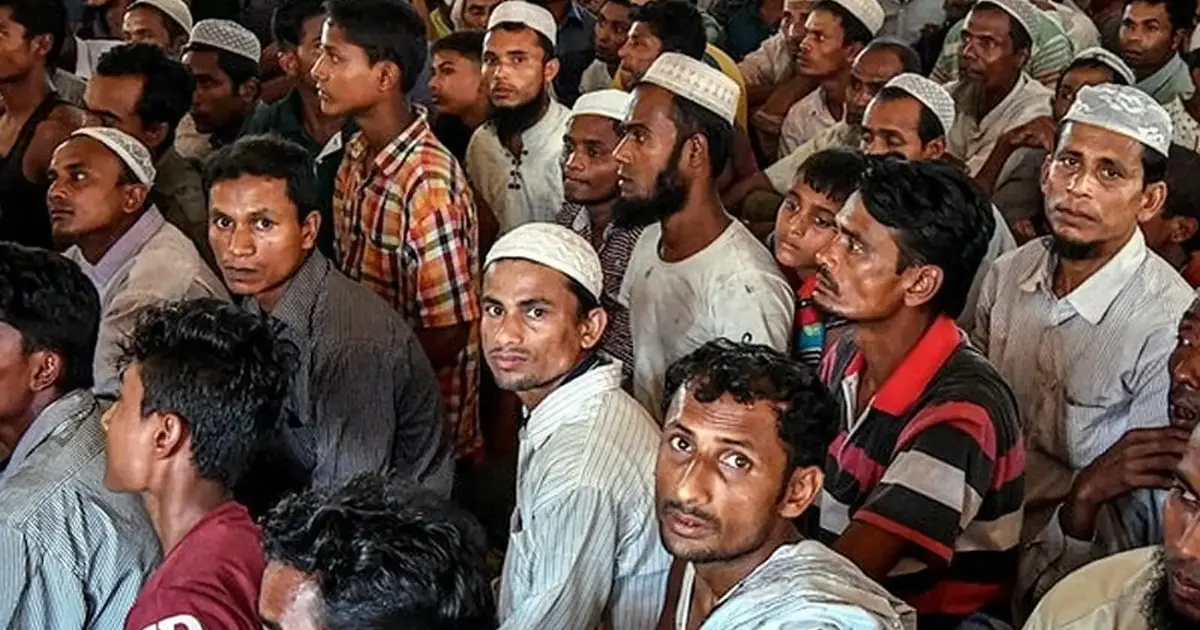
The Rohingya Ulama Council has moved to counter what its leadership describes as a coordinated campaign of misinformation concerning the refugee community's intentions regarding Malaysian citizenship. Rahimullah Hussain, who chairs the council, stated unequivocally that allegations portraying Rohingya residents as pursuing naturalisation represent fabricated narratives constructed deliberately to generate animosity toward the population.
This denial comes amid recurring speculation in public discourse about the long-term settlement aspirations of Myanmar's persecuted Muslim minority, who have arrived in Malaysia in substantial numbers over the past decade. The Rohingya presence in Malaysia has become an increasingly sensitive topic in domestic politics and social discourse, with varying stakeholder groups expressing differing perspectives on integration, resource allocation, and policy implications.
The council's statement represents an important clarification from within the Rohingya community itself, suggesting internal frustration with external characterisations of their population's goals and expectations. By positioning the allegations as fabricated rather than merely exaggerated, Rahimullah Hussain is signalling that such claims represent a deliberate disinformation strategy rather than honest misunderstandings or policy disagreements.
Malaysia hosts one of the world's largest Rohingya populations outside of refugee camps, with estimates suggesting over 180,000 individuals residing in the country, primarily in urban centres like Kuala Lumpur and Selangor. This substantial presence has created complex policy challenges for Malaysian authorities, who must balance humanitarian obligations, domestic social cohesion, and pressure from UNHCR and international advocacy organisations.
The question of citizenship eligibility has remained contentious precisely because it intersects multiple sensitive issues: national identity, religious demographics, economic opportunity, and Malaysia's capacity to absorb additional permanent residents. These concerns are not unique to Malaysia but reflect broader regional anxieties about refugee populations and their potential for long-term settlement.
Rahimullah Hussain's intervention suggests that the Rohingya leadership recognises a strategic communications challenge. When external actors attribute citizenship-seeking intentions to the community without corroboration, it creates opportunities for political actors to mobilise fear-based opposition to even modest humanitarian accommodations. By publicly disavowing citizenship aspirations, the council attempts to recalibrate the framing and reduce rhetorical ammunition available to opponents.
The timing of such denials often correlates with periods of heightened public anxiety or renewed political debate about refugee policy. Malaysia's complex relationship with UNHCR protection mechanisms, its position as a non-signatory to the 1951 Refugee Convention, and domestic political sensitivities mean that clarifications from within the Rohingya community carry particular weight in shaping public perception and policy discourse.
It is worth noting that the council's statement does not necessarily reflect unanimous views across the Rohingya diaspora, which comprises diverse individuals with varying personal circumstances, family situations, and aspirations. Some individuals within the community may indeed harbour hopes for permanent settlement or citizenship pathways, while others maintain expectations of eventual return to Myanmar or resettlement to third countries. The council's position likely represents a strategic consensus rather than an absolute reflection of collective sentiment.
The distinction between fact and fabrication becomes crucial in this context. If such allegations genuinely lack evidential foundation—if there is no documented institutional push for citizenship rights emanating from Rohingya leadership—then the council's characterisation as deliberate fabrication carries credibility. Conversely, if elements within the community have indeed publicly advocated for such pathways, the denial's legitimacy becomes more contested.
For Malaysian policymakers, this statement may provide political cover for moderate accommodation policies without appearing to capitulate to perceived community demands. By accepting the council's assurance that citizenship is not a collective objective, government officials can argue that humanitarian support does not represent a gateway to demographic or citizenship transformation.
The broader regional context matters significantly. Throughout Southeast Asia, refugee and stateless populations remain perpetually vulnerable to political scapegoating and xenophobic campaigns. Thailand's treatment of Rohingya communities, Indonesia's maritime border enforcement, and Bangladesh's management of enormous Cox's Bazar camps all reflect the region's broader struggle with forced displacement crises.
Moving forward, sustained dialogue between Malaysian authorities, the Rohingya Ulama Council, and civil society organisations may help establish clearer understandings about legitimate community aspirations and realistic policy frameworks. Such engagement could potentially de-escalate tensions fuelled by speculation and rumour while creating space for evidence-based policy discussion around integration support, education access, employment rights, and humanitarian provision.

