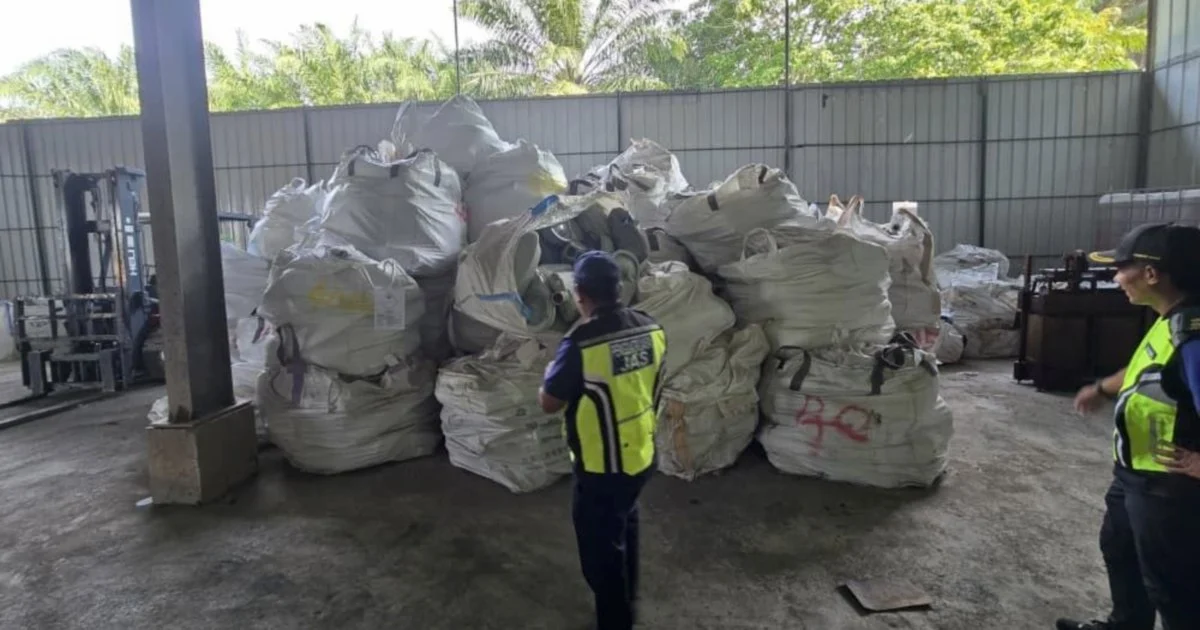
The General Operations Force executed a major enforcement action in Kuantan's Gambang district yesterday, dismantling an illegal e-waste processing operation and seizing materials valued at RM6.4 million. The raid underscores intensifying efforts by Malaysian law enforcement to combat the lucrative but environmentally destructive underground trade in electronic waste recycling.
The detained factory manager faces investigation for his role in operating what authorities believe was an unauthorised facility engaged in processing discarded electronic equipment. The arrested individual is expected to provide crucial information about the sourcing, distribution, and operational networks connected to this particular enterprise. Preliminary findings suggest the operation had been running without proper licensing or environmental oversight, typical characteristics of illegal e-waste recycling facilities that proliferate throughout Southeast Asia.
Electronic waste represents one of the fastest-growing waste streams globally, with Malaysia increasingly becoming a destination for both domestic discarded electronics and transboundary shipments from developed nations. The Gambang facility's operation highlights how profitable the extraction of precious metals, copper, and other valuable materials from circuit boards and electrical components has become, attracting criminal elements willing to circumvent strict environmental regulations.
The confiscated materials include various categories of discarded electronic equipment destined for improper processing methods. Without regulatory oversight, such facilities typically employ crude extraction techniques involving acid leaching, open burning, and chemical treatments that pose severe risks to worker health and surrounding environmental contamination. The monetary value assigned to the seized materials reflects the demand within illicit supply chains for raw materials recovered from electronics.
Kuantan and the broader Pahang region have previously been the focus of enforcement attention regarding illegal manufacturing and waste processing activities. The port facilities and proximity to major transport corridors make the district a strategic location for both legitimate and illegitimate waste operations. This seizure demonstrates that authorities continue targeting such activities, though the scale of underground e-waste operations likely exceeds capacity for comprehensive enforcement.
Malaysia has implemented regulations under the Environmental Quality Act and other legislation aimed at controlling e-waste management, requiring licensed operators and proper disposal methods. However, the significant price difference between legitimate recycling and illegal processing creates persistent economic incentives for operators to bypass regulatory requirements. The gap between formal and informal sector operations remains substantial throughout the region.
The environmental consequences of unregulated e-waste processing are substantial and well-documented. Exposure to lead, cadmium, mercury, and other hazardous substances during crude extraction damages both human health and ecosystems. Groundwater contamination from chemical leachates, soil degradation, and atmospheric pollution from open burning represent long-term environmental costs borne by surrounding communities and the broader environment.
Government agencies responsible for environmental protection and industrial licensing have increasingly coordinated enforcement activities targeting such operations. The GOF's involvement indicates these raids now constitute priority activities within broader law enforcement strategy. Cooperation between federal, state, and local authorities has improved capacity to identify and shut down illegal facilities before they expand operations significantly.
The detention of the facility manager provides investigators with opportunities to trace operational networks, identify suppliers of illegal e-waste shipments, and understand market dynamics driving demand for crude recycled materials. Information obtained during interrogation often reveals connections to broader criminal networks involved in various forms of waste trafficking and environmental crime.
For Malaysian manufacturers and businesses involved in legitimate electronics recycling, such enforcement actions create an uneven competitive landscape. Licensed operators must maintain costly environmental compliance standards and proper worker safety measures, placing them at disadvantage against illegal competitors charging lower fees to accept e-waste. The government faces ongoing pressure to strengthen enforcement capacity and increase penalties sufficiently to deter participation in illicit operations.
International attention to e-waste trafficking has grown as developing nations, including those throughout Southeast Asia, face pressure from wealthier countries seeking to offload their electronic waste streams. While international conventions like the Basel Convention restrict hazardous waste exports, enforcement remains inconsistent across borders. Malaysia's efforts to control domestic illegal operations must therefore balance treatment of both domestically-generated and internationally-sourced electronic waste.
The case reflects Malaysia's position within global e-waste flows and the nation's commitment to environmental protection despite the economic pressures that illegal operations exploit. Sustained enforcement messaging, coupled with stronger regulatory frameworks and adequate resources for monitoring, remains essential for disrupting the profitability of underground recycling networks. Future development of domestic legitimate recycling capacity may eventually reduce economic incentives driving illegal operations.

