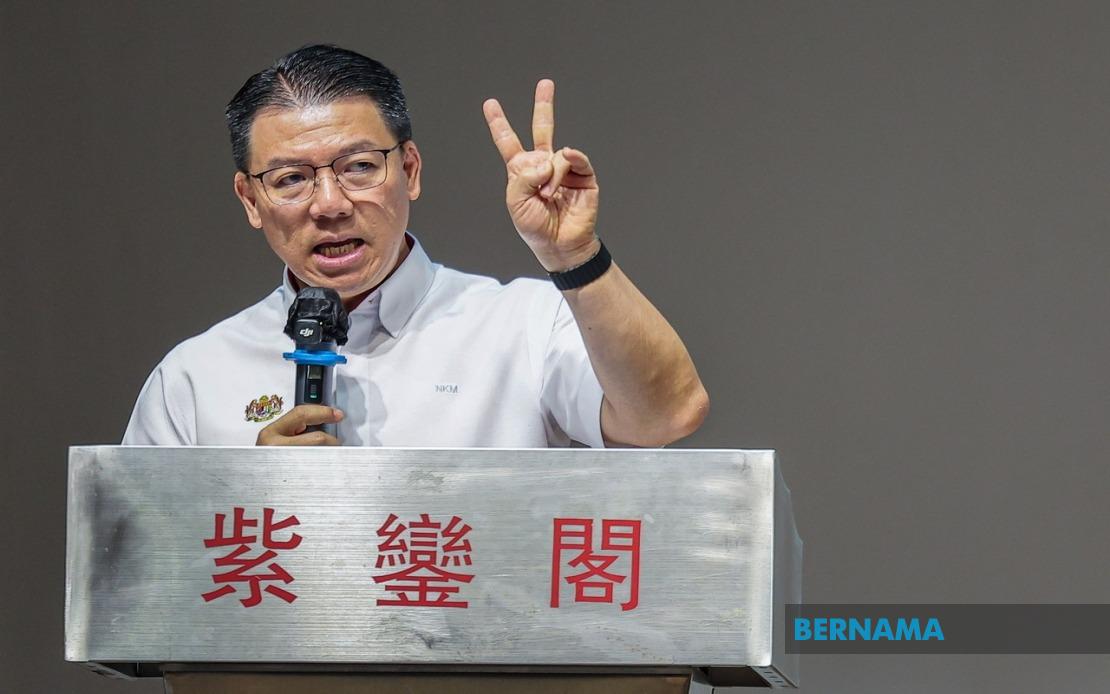
Malaysia's housing ministry has committed RM200 million towards maintaining non-Muslim houses of worship across the country over four years starting in 2023, representing a significant pledge to support religious infrastructure across diverse faith communities. Minister Nga Kor Ming announced the comprehensive figures during a ceremony in Kluang, Johor, where local allocations were formally handed over to 27 religious institutions in the state.
The Non-Muslim Houses of Worship (RIBI) Maintenance Initiative represents a deliberate policy choice to extend government resources equally across Malaysia's pluralistic religious landscape. The scheme encompasses churches, gurdwaras, Hindu temples, Buddhist temples, and other registered religious associations, addressing a critical infrastructure need that often falls outside mainstream development priorities. Nga characterised the initiative as emblematic of the MADANI government's commitment to ensuring that state support reaches all segments of society regardless of ethnic or religious affiliation.
Demand for the funding has substantially exceeded initial expectations. The e-RIBI System has received 1,478 applications with a combined value exceeding RM279 million, indicating that religious communities across Malaysia face considerable maintenance backlogs and infrastructure challenges. This disparity between allocated funds and total applications signals ongoing pressure on the scheme's capacity and suggests potential future expansion may be necessary to meet community needs comprehensively.
In Johor specifically, the government has distributed RM18.75 million since the scheme's inception through May 2026, directly assisting 154 religious institutions throughout the state. This latest allocation of RM3.14 million targets 27 facilities for renovation, maintenance, new construction, and emergency repairs. The focus on ensuring comfort and safety standards reflects an understanding that deteriorating religious infrastructure can affect community welfare and service delivery.
Mga's rhetoric during the announcement emphasised national cohesion and economic implications of religious harmony. He framed the maintenance initiative within a broader narrative of bridge-building versus wall-building, unity versus division. This positioning reflects conscious political messaging about Malaysia's multicultural identity at a time when concerns about polarisation and community fragmentation occasionally dominate public discourse. The connection drawn between religious harmony, ringgit strength, and investor confidence underscores how the government views interfaith infrastructure spending as contributing to macroeconomic stability.
The MADANI administration's approach to development explicitly rejects narrow race or religion-based criteria in determining resource allocation. Instead, officials contend that equitable distribution across all communities strengthens rather than weakens national stability. This philosophy represents a strategic positioning distinct from earlier governance approaches that sometimes compartmentalised community spending along ethnic lines. By integrating religious institution support into mainstream development programs, the ministry signals that such facilities constitute essential public infrastructure.
Transparency and accountability mechanisms form crucial components of implementation strategy. The ministry has committed to professional, efficient, and transparent monitoring of all approved projects to ensure allocations genuinely benefit deserving organisations. This supervisory framework addresses historical concerns about fund leakage or political patronage in government spending. The e-RIBI System itself exemplifies this commitment to digital accountability, creating documented trails for all applications and disbursements.
The RIBI initiative carries particular significance for smaller religious communities often underrepresented in mainstream development discussions. While Buddhism, Islam, and Christianity receive substantial public attention, Sikhism, Hinduism, and smaller Christian denominations sometimes struggle to advocate effectively for infrastructure needs. A centralised government maintenance scheme potentially redresses this imbalance by creating formal channels through which all registered organisations can access funding regardless of size or political influence.
Regional implications extend beyond Malaysia's borders. Southeast Asia's religious diversity, including substantial non-Muslim minorities in Indonesia, Thailand, and the Philippines, often creates tensions regarding public resource allocation. Malaysia's systematic funding approach offers a potential model for neighbouring countries considering how best to balance majority religious frameworks with minority community needs. The demonstrated demand for such programs suggests neighbouring governments may face similar pressure to institutionalise religious infrastructure support.
Implementation challenges remain notable. The gap between RM200 million allocated and RM279 million in applications means rationing mechanisms will determine which institutions receive support and which face continued delays. Geographic distribution across Malaysia's diverse states and federal territories requires coordination between federal ministry officials and state-level authorities. Determining which projects qualify as genuine maintenance versus expansion efforts could generate disputes, particularly when communities view facility upgrades as overdue rather than merely optional improvements.
Longer-term sustainability questions merit consideration. A four-year allocation ending in 2026 necessarily raises questions about post-completion funding. Will the government extend the scheme? Will maintenance responsibility transfer to local authorities or remain centralised? Will religious communities be expected to develop alternative funding mechanisms thereafter? Clear communication about the scheme's terminal date would help institutions plan accordingly and prevent disappointment if allocations conclude without renewal announcements.
The initiative reflects deeper shifts in Malaysian governance philosophy regarding inclusivity and national identity. By positioning religious infrastructure maintenance as a shared national concern rather than purely community responsibility, policymakers signal that Malaysia's pluralistic character constitutes a state asset requiring active protection and investment. This framing contests narratives that frame religious diversity primarily through a security or conflict lens, instead emphasising its economic and social value.
As implementation progresses through 2026, monitoring outcomes will illuminate whether the scheme achieves stated goals of supporting religious communities equitably while strengthening national cohesion. Early enthusiasm and high application rates suggest genuine community need and government willingness to respond. However, converting policy announcements into tangible infrastructure improvements requires sustained bureaucratic commitment and political will extending beyond ministerial rhetoric.

