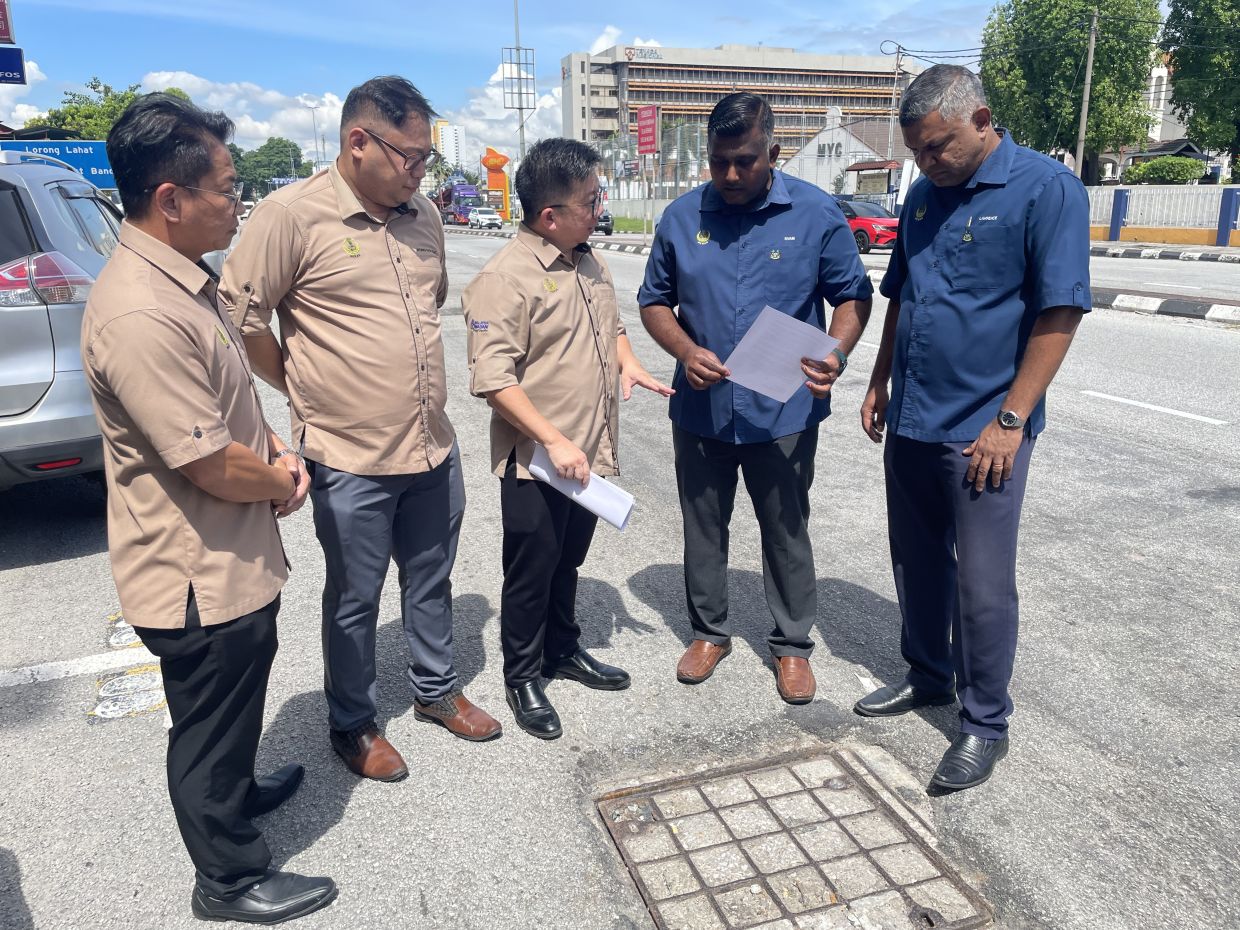
A long-overdue infrastructure overhaul is coming to one of Ipoh's most problematic stretches of road. Beginning in July, Jalan Lahat will undergo a RM2.6mil resurfacing initiative covering approximately 4km of the thoroughfare that has deteriorated significantly despite repeated patchwork attempts. The undertaking represents a significant investment in road safety and quality for a corridor that serves as a vital link between three state constituencies: Buntong, Tebing Tinggi and Menglembu.
Menglembu assemblyman Chaw Kam Foon confirmed that the project would focus on resurfacing both directions of the road from the Falim traffic lights through to the Jalan Leong Boon Swee junction near Little India. The specific intervention targets the most critical section of what is a substantially longer thoroughfare, with the full length of Jalan Lahat stretching between 10km and 11km. By concentrating resources on the most deteriorated portion—approximately 1.9km in each direction—authorities have opted for a measured approach that addresses the worst-affected areas whilst optimising budget allocation.
The condition of Jalan Lahat has become a source of mounting frustration among residents and regular commuters. The road has developed a reputation for chronic pothole problems and uneven surfaces that have created hazardous driving conditions and inflicted considerable financial damage on vehicle owners. Last month alone, approximately 20 vehicles suffered tyre punctures along the affected stretch, a statistic that underscores the severity of the issue. The situation reached a tipping point when social media users amplified concerns about a particularly dangerous pothole located on a flyover section, prompting immediate temporary repairs before the comprehensive remediation could be scheduled.
The decision to pursue full resurfacing rather than continued piecemeal patching reflects a fundamental recognition that previous interventions have proven ineffective. Councillor K. Sivam explained that temporary patching solutions failed to provide lasting results due to the combination of weather exposure and the sustained volume of traffic, particularly heavy vehicles and lorries that regularly traverse the corridor. The road serves multiple critical functions within the urban landscape, providing access to residential areas, educational institutions and commercial establishments, making its ongoing degradation a matter affecting numerous constituencies beyond immediate motorists.
The origins of the road's deterioration extend beyond normal wear and tear. Sivam attributed significant damage to inadequately executed utility excavation works, particularly sewerage pipeline installations where restoration efforts fell short of required standards. This history demonstrates how infrastructure maintenance failures in one sector can cascade into broader road safety problems. The current resurfacing project will address these systemic issues by incorporating levelling of access points, removal of surface undulations, and repainting of lane markings to restore proper road geometry and visibility.
Obtaining approval for the project required persistence. Councillor Sivam noted that requests for road improvements have been lodged repeatedly since 2024, with formal approval finally materialising this year. The funding derives from the Malaysian Road Records Information System (Marris), a dedicated mechanism for road maintenance financing. The tender process is currently underway with works anticipated to commence in July and completion targeted within approximately three weeks, suggesting a concentrated effort to minimise prolonged disruption to traffic flow.
Looking forward, authorities are implementing governance mechanisms intended to prevent recurrence of similar deterioration. The Corridor Utiliti Darul Ridzuan (KUDR) will assume oversight responsibility for future utility excavation works along the restored stretch, with explicit authority to enforce compliance with approved restoration specifications. This supervisory arrangement includes enforcement provisions whereby companies failing to properly reinstate roads face financial penalties, compounding measures, or mandatory repair orders. Such regulatory reinforcement addresses the root cause of previous failures by establishing clear accountability for infrastructure stewardship beyond the initial resurfacing investment.
For Malaysian and Southeast Asian readers, the Jalan Lahat project illustrates broader infrastructure challenges facing regional cities. Rapid urbanisation and aging road networks frequently strain maintenance budgets, often resulting in reactive patchwork rather than proactive comprehensive upgrades. The Malaysian experience reflected here—delayed approvals, repeated requests, and eventual commitment to substantial reconstruction—mirrors patterns observed across the region. Additionally, the coordination failures between road authorities and utility companies represent a common friction point in urban infrastructure management, where siloed responsibilities and inadequate inter-agency oversight create cascading problems.
The initiative also demonstrates how social media mobilisation can expedite bureaucratic response to infrastructure concerns. The viral video highlighting the dangerous pothole served as a catalyst for accelerating action that formal channels had not previously delivered despite years of submissions. This dynamic suggests evolving public engagement mechanisms within Malaysian governance, where digital platforms increasingly function as effective accountability tools for infrastructure maintenance.
From a practical standpoint, commuters should anticipate temporary traffic management arrangements during the July works period. Given the target completion timeframe of three weeks, disruption should remain relatively contained, though specific traffic diversion plans will require monitoring through local authority announcements. The completion of this project will significantly enhance travel conditions along a critical urban corridor, potentially preventing future vehicle damage and safety incidents whilst restoring road standards befitting the traffic volumes and community importance of Jalan Lahat.

